Saturday, December 16, 2006

Market Statistics : Volume 1

This is the first volume of Market Statistics which will give the market sizes of various categories. The market size numbers are quite confusing because different sources quote different numbers. This is just a collection of market data and not verified. I will try to update it whenever I come across such data.

Pain Balm Market Size :Rs 90 crore

Total Balm Market Size :Rs 250 crore

Tooth Paste Market Size :Rs2700 crore

Events Market Size :Rs 330 crore

Domestic consumption of butter : 45,000 tonnes

Ready to stitch garments market :Rs 1600 crore

Imported wine Market Size: 1.2 lakh cases

Local wine Market Size: 3.8lakh to 4.6 lakh cases

Detergent Market Size :Rs 3000 crore

Popular Detergents Market Size : Rs1800

Premium, compact and Mid range detergents Market Size:Rs 1200 crore

Tea Industry :Rs 3000 crore

Iodised salt Market Size :Rs 500 crore

Toilet cleaners,utensil cleaner, mosquito repellent

& air freshener Market Size :Rs 2000 crore

Cookies Market Size :Rs 3000 crore

Music :Rs 750 crore

Denim Market Size :Rs 1200 crore

Indian Luxury Market :Rs 2000 crore

Ad Industry :Rs10,000 crore

Internet ads :Rs 100 crore

Chyavanprash Market Size : Rs 300 crore

Soap Market Size : Rs 4500 crore

Shaving cream Market Size : Rs 50 crore

Color Cosmetics Market Size : Rs.250 crore ( organized)

Skin care Market Size :Rs 400 crore

Total cosmetic Market Size :Rs 2000 crore

Total skin care Market Size :Rs 1300 crore

Premium Skin care Market Size : Rs 325 crore

Ketchup Market Size : Rs180 crore

Noodles Market Size :Rs 200 crore

Battery Market Size : Rs1800 crore

Automotive Battery Market Size : Rs1200 crore

Men’s innerwear Market Size :Rs 2500 crore

Premium Inner wear Market Size : Rs150 crore

Branded innerwear Market Size :Rs 750 crore

Hair Oil Market Size :Rs 1300 crore

Biscuit market Market Size :Rs 4000 crore

Marie biscuits Market Size:Rs 600 crore

Writing Instruments Market Size:Rs 1500 crore

Branded Writing Instruments Market Size:Rs 1200 crore

Gel pen Market Size :Rs 350 crore

Watch Market Size :Rs1300 crore

Premium watch Market Size :Rs 600 crore

Fast Moving Health Goods (FMHG) : Rs 4500 crore

Shoe shine category size :Rs 65 crore

Friday, December 15, 2006

Brand Update : Parachute


Marico has launched a new product Parachute Therapie. The product is for controlling hair loss.The product is supposed to contain " Root Activising Proteins" and is endorsed by International Association of Trichologists. The product is priced at a premium of Rs 190.Marico may be planning to convert Parachute brand as an umbrella brand for all its hair care products. Right now Parachute has tremendous equity as the coconut based hair oil. Through this new product, the brand may be seeing its makeover as a hair care expert.

Related brands
Parachute
Sparsh


Source: Businessline
image courtesy: businessline

Thursday, December 14, 2006

Clearasil : For Clear Skin

Brand : Clearasil
Company: Reckitt & Benckiser
Agency: Euro Rscg

Brand Count : 177

Clearasil was a brand that was synonymous with skin care in India. The brand occupied a distinct space in the Indian market as the ultimate cream for Pimples and acne. But over the years this brand is facing the decline stage in its product life cycle. The brand reached this pathetic state because of reasons not of its own.

Clearasil is a global brand famous world wide as a cure for acne and pimples. The brand is 56 year old. Mr Ivan Combe of USA invented the product in 1950. It was the first dermatological brand for curing pimples and acne made especially for young skin. In 1961, the brand came into the fold of Richardson Vicks. In 1985 P&G became the owner of Richardson Vicks. Later the company sold of these brands to Boots Pharmaceuticals in the year 2000. In 2006, Reckitt &Benckiser bought the brand globally. The brand came to India in 1967.

Now you can easily see the reason why the brand failed. The brand went through too many ownership changes. Some companies did not feel that the brand was a part of its core portfolio. For example during the ownership of Clearasil by P&G there was no investment on the brand since for the company, the personal care business was not a core area. Hence during this period the brand was not at all promoted. Even though the other owners had tried to revive the brand, frequent changes made the brand vulnerable.

Clearasil during its peak years had the reputation as a strong cream for fighting pimples and acnes. At that time there was no direct competition for Clearasil although there were many skin creams. For a family having teenage girls, Clearasil was an essential brand. But over the years, because of the lack of brand building efforts, the brand became irrelevant to the younger generation. Clearasil slowly became the brand that “my mother used”. When Boots owned the brand, lot of variants were launched. The brand changed its packaging and was extended to soaps.Rather than limiting to acne control, the brand tried to position itself as a skin care brand. But the effort did not bear fruit because by that time, the market was flooded with modern contemporary brands.

The brand is now owned by Reckitt and marketers expect that the brand will get a new lease of life. The greatest challenge before the new owners is to make the brand contemporary and relevant to the new generation. Reckitt had to find a new differentiation platform for this heritage brand. It has to tap the existing brand equity and try to create a new space for Clearasil. Globally Clearasil is positioned on the basis of Confidence through better skin . The global positioning statement is “Get Clearasil , Get Confidence”. But in India, Cinthol uses this positioning . The brand faces tough competition from the likes of Ponds, Lakme, Loreal and so on .So to find the right space is going to be tough.I think that the brand could take the “ Clear Skin” positioning where by it is not limited to controlling pimples but overall skin care. With the brand Veet from Reckitt is in the same skin care market; the brand managers will have a tough time integrating Clearasil to the portfolio.

source:agencyfaqs,businessline,reckittbenckiser.com

Related Brands

Ponds
Fair&Lovely
Vicco
Loreal
Bodyshop

Wednesday, December 13, 2006

Brand Update :Surf Excel

Surf Excel has come out with a new campaign 10/10 ( pronounced 10 on 10). The campaign is aimed at raising fund for the educationally challenged poor kids. Every Surf Excel will have a piece of stained cloth. When washed, this cloth will reveal a number out of 10. SMS this number to 455 and that amount goes to a NGO that works in the field of education for poor. The campaign is set to collect Rs 25 lakh for the underprivileged..

These type of campaigns are aimed at making the brand more humane. The brand gains from the positive attitude created by such campaigns. Some theorist calls this Corporate Social Responsibility. But as Drucker said “ The main purpose of business is to make profit” and as we say to create wealth for stakeholders. The problem is that only a management student understands such concept. An ordinary person will view business as some thing that makes profit for a select few. Hence corporate are forced to display some actions to justify that they mean good to the society.

The latest Surf campaign also intends to do that. The brand is trying to ladder up to a higher level than just the Cleaning ability. Lifebuoy also has successfully taken up the cause of preventing diarrhea thorough its Swasth Chetana campaign. The brands like Surf and Lifebuoy uses children in the advertisements. There are some people who consider themselves as “ Moral Policemen” whose main job is to make the life of marketers difficult. These campaigns act as a Preemptive measure to silence those critics.

It is a laudable effort from HLL to take such initiatives for the brand. The brands benefits immensely by associating with such activities through the positive vibes created by such campaigns. Another brand from HLL , Fair and Lovely also has taken up such initiatives to contribute to the cause of women empowerment.

Image Source : agencyfaqs.com

Related Brands

Surf Excel
Lifebuoy
Rin
Fair & Lovely

Monday, December 11, 2006

Brand Update : Sugar Free Natura

Sugar Free Natura has come out with a new campaign featuring the master chef Sanjeev Kapur. The ad tries to pitch the brand against the ordinary sugar. Targeted at heavy tea drinkers ( and other beverage drinkers too), the ad clearly hints at the risk of taking sugar with tea. The consumer insight is that doctors tell diabetic patients to have " tea without sugar" which is dreaded by the heavy tea drinkers. And more sugar is consumed daily along with tea rather than through other sweets. Hence the ad makes perfect sense. great insight . great work.

Related brands
Sugar Free
Parry's sugar

source: agencyfaqs.com
image courtsy:agencyfaqs.com

Hajmola : Tasty Funfilled Digestive

Brand : Hajmola
Company: Dabur
Agency: Lowe

Brand Count : 176

Hajmola is one of the power brands from Dabur's portfolio. The brand is one of the oldest and most respected brands in the digestive market in India. The brand commands 75% share in the Rs 90 crore digestive tablet market in India.

Hajmola is a 31 year old brand launched in 1975. The brand has ayurvedic formulation and is sold through all kind of shops unlike the antacids. Hajmola is very popular in North India and North is the strongest market for the brand.
Hajmola although a digestive is not positioned as a digestive brand. The brand has moved away from the therapeutic aspects and is positioned more as a naughty mischievous brand. The brand is positioned as a mild digestive that can be taken any time anywhere. The brand uses kids as the main ambassadors and the campaign that features a boy in the dormitory( Hajmola Sir) is still most remembered classic.

The brand has been nurtured by Dabur carefully. The brand was endorsed by Kapil Dev during 1995.Not restricting itself to tablets, the brand extended itself to candies and other forms of digestives. Now Hajmola has Candy, Candy Fun2, Mast Masala and Hajmola Yumshell. The brand also has changed its package from the old rustic glass bottle to a new contemporary pack. Dabur has now promoted Hajmola as an umbrella brand in the digestive segment .The brand is now worth Rs 100 crore.

In 2004 Dabur roped in Amitabh Bachchan to endorse all Dabur power brands. Hajmola also got the power of Big B into its fold. The ads now feature the fun filled tussle between Big B and a kid. Hajomola has kept its positioning of being a fun filled product. The reason for not restricting to digestive is to give the brand more room for growth. If positioned entirely as a digestive, the usage of brand will be limited. Hence Hajmola tries to induce the customers to take it anytime anywhere. In all the campaigns the brand is positioned on its Zingy Zangy taste (Khatta Meeta).
The brand has also ventured into the highly competitive candy market . The hard boiled candy market is estimated to be around Rs 350 crore and Hajmola is reported to have a 9% market share.
Hajmola has always tried to focus on the Northern market. The ads are predominately Hindi and not at all targeting the south market . The tagline of Hajmola " Hazm Sab, Chahe Jab" will not be understood by most South Indians. The brand is also not being promoted heavily in this market. One reason can be that the taste of Hajmola may not suit the South Indian Palate.

Like the Chawanprash market , the digestive market also feels the issue of stagnation. The endorsements by celebrities and the heavy spending are the only way out for brands facing such stagnation issues.

Related Brands
Gelusil
Sona Chandi

source: dabur.com, agencyfaqs,businessline,magindia,domainb

Saturday, December 09, 2006

Fem : Beauty With Care

Brand : Fem
Company: Femcare
Brand count :175

Fem is a small player in the FMCG market. This 50 crore pharmaceutical company has a significant share in some of the niche segments in the FMCG market in India. The company has followed the principle of concentrating on niche products rather than fighting a bloody war with the heavy weights .
Fem came into existence in 1982. The brand is famous for its range of liquid hand wash soap segment. In this Rs 20 crore market, Fem occupies a major market share of over 60%. Fem is positioned on the platform of beauty with health. The tagline of the Mother brand is “Beauty with Care”. The liquid soap segment of late has been witnessing intense competition from the likes of Dettol and Lifebuoy. Fem comes with fragrances like Lemon,Blossom,Peach,Bouquet etc.
Another niche product from FEM is the new brand Oxybleach. Oxybleach is the facial bleach from Fem boast of having the world’s first pre bleach cream. The brand is positioned on the unique attribute of “ Oxygenation”. The ad speaks about the problem faced by skin when exposed to sun, dust etc. The brand when used gives more oxygen to the skin making it refreshing and healthy.

Fem is a brand that also has significant presence in the female hair removing market. The brand has launched a new hair removing cream in a squeeze pack which acts as a differentiator.
Fem has introduced another brand in the cloth conditioner segment (entirely new category) named Bambi, which is a fabric softener.

Fem has been successful in finding niche areas in Feminine care and with good products and distribution network, the brand has created positive word of mouth for its products. The brands like Oxybleach and hair removers are being promoted aggressively by the company. But the company faces competition from established brands, which try to enter into these niches. Most of the personal care brands are trying to give all solutions to the customer rather than focusing on any one product. That has been the strategy of mega brands like Ponds, Lakme and Loreal. These brands, which have significant brand equity, will always post a threat to the niche brands like Fem. For Example, brands like Lifebuoy venturing seriously into liquid soap business will threaten the position of the cash cow of Fem.

The major issue with niche brands is the lack of resources to sustain the growth and fight competition. The lack of resources often forces the niche brands to either sell off or die in the face of competition from large brands. This problem becomes too dangerous when the company try to have too many brands . Too many brands sometimes creates resource allocation for brand building.

source: femcareindia.com,businessline

Friday, December 08, 2006

Brand Update : Sprite & Thums Up

The Economic Times on 7/12/2006 carried a front page news on Sprite becoming the second bestselling drink from the Coca Cola India operations edging out Coke to the third place. The report says that this phenomenon is seen in the Indian market only where the flagship brand Coca Cola trails the other brands. I had severely criticized the new positioning of Sprite " Clear Hai" and the endorsement from Sania Mirza in my earlier post. But I was proved wrong. Sprite campaign seems to do wonders for the brand. Consumers think that the brand is Clear.....


India's Macho drink Thums Up is now the No1 selling Cola from Coca Cola.In the earlier post, I wrote about the brand being made to play second fiddle to Coke. Coca Cola had rejuvenated the brand and the results seems to be terrific. The latest commercial features the current Bollywood poster boy Kunal Kapoor endorsing the brand in a well made commercial.

The Thunder is Back


source: economictimes
Kunal's image:smashhits.com

Thursday, December 07, 2006

Rin : Whiteness Strikes

Brand : Rin
Company: HLL
Agency: JWT

Brand Count : 174

Indian fabric wash industry is worth Rs 5100 crore and Rin is one of the super brands in the detergent bar segment. Rin was launched in 1969. The brand came into existence when there was severe quota restrictions from the government in the Laundry bar segment. Rin was launched as a detergent bar.

For 37 years ,this brand has been the market leader in the segment. The brand faced all the issues of competition , customer preference changes and price warriors.But it withstood all the challenges.
Rin is positioned on the whiteness platform. For years the brand is associated with whiteness. This positioning is reinforced by the famous Mnemonic of Lightning. Initially the brand was facing competition from laundry bars. Hence the task for the brand was to educate the customers about the new category of detergent bars. The campaign positioned the brand as the better way to wash indicating the category supremacy over laundry category. Later when the category evolved the positioning based on whiteness was communicated.
The success of Rin prompted lot of competitor activity in the segment. Many products came into the market with lesser price. Rin countered the competition by the famous " Zara Sa Rin " claiming the brand to be more powerful than the less priced brands ( source: superbrands.com/india).
Rin had its fair share of extensions. The brand had variants Rin Supreme, Rin Shakthi and Rin Advanced . The brand later extended to detergent powders to bridge the gap between Wheel and Surf.
Rin is facing its toughest competition in the form of Tide from P&G. The brand which came to India as a detergent powder brand has extended to bar category. Tide is positioned on the same whiteness platform with similar communication.

HLL is known for its obsession with market shares. It never compromises on the market share and is not stingy in investing in brands. 2005 saw one of the boldest marketing initiatives for Rin. None other than Amitabh Bachchan was roped in as brand ambassador ( model) for the brand. The ads were trying to reinforce the positioning of Rin as the premium detergent soap. I was surprised seeing Big B endorsing such a brand.
There are reports that Surf Excel is extending to bar soap category and will be replacing Rin Supreme at the premium end. The logic is that Rin has a firm image of whitening bar while Surf has the strength of being a stain remover. HLL is trying to have Surf Excel to extend its leadership in the entire detergent soap category.
Rin has always tried to create the brand excitement alive by launching new variants or new promotions or some innovations. For example in 2002 , the brand came out with a direct comparison with other laundry bars telling the customer that the soap is mud-free . The positioning was focused on Pure Clean Technology that makes the brand mud-free.

2006 was another innovation of launching a cover for the soap that will prevent wastage of the soap. Although this innovation may be trivial, the brand is kept alive in the mindspace.And that is the strength that has helped this brand to manage its product lifecycle.

source:businessline,agencyfaqs,superbrands

Wednesday, December 06, 2006

Brand Update : Lifebuoy


Lifebuoy has extended its positioning from " Protection from germs" to Continuous protection from germs even hours after bath. Like the earlier award winning campaign of Little Gandhi, this time also Hll rightly uses kids to the brand's advantage. The new concept take a cue from the Surf's campaign 'Dirt is good". The new campaign of Lifebuoy assure mothers that the child gets protection even hours after bath. Traditionally soap ads used the concept of washing away dirt and germs during bath.
But no one thought about protection after bath. Toothpaste ads showed protection after brushing but not bathing soaps. Lifebuoy effectively takes advantage of this twist. Great work from a Great brand.

Brand Update : Colgate


Colgate has launched the new gel variant Colgate Maxfresh Gel with Cooling crystals. The toothpaste have liquid cooling crystals that dissolve completely in the mouth while brushing releasing intense rush of freash breath.The brand is endorsed by Saif Ali Khan and the southern film Diva Asin. This variant has forced HLL to think about variants of Close Up to counter this new launch.

Source:sify,colgate.co.in

Tuesday, December 05, 2006

MTR : Pure and Perfect

Brand : MTR
Company : MTR Foods
Agency:O&M

Brand Count : 173


MTR has a history dated back from 1924. The company started of as a small restaurent in Bangalore named Mavalli Tiffin Room(MTR) is now rated as one of the largest players in the increasingly popular ready to eat foods market. The company first launched its packaged food product during 1976 and the company invented the Rava Idly mix which was the first product by the company in this segment.

It was in 2000 that the company seriously ventured into the ready to eat food segment. Although the reports suggest that the ready to eat food segment excluding snack foods and noodles is worth 50 crore and expected to touch Rs 200 crore with in three years time, I am quite sceptical about it. The report was dated 2002 and now in 2006 the market is still hovering in that range.
The reason for such optimistic projection is based on the changing lifestyle of Indians. With both husband and wife working , there is going to be increased need for such convenience foods that save time. Seeing this opprotunity many players like ITC, Satnam Overseas, Saaj food products etc are seriously into the fray . ITC has launched Kitchens of India brand with much fanfare followed by Aashirvaad range in this segment. Kitchens of India is premium and Aashirvaad is for the mass market.
The basic reason for this segment not taking off as expected is the lack of value proposition of the brands. All the brands operating in this segment is priced at a premium. For example a RTE pack typically costs Rs 35 for a serving of Three ( as the pack says ) but those who have used the packs know that only Two can use this because the quantity is very less. Although we can argue about the convenience and cost saving of cooking gas etc, at the outset, the price is a put off for a middleclass customer ( my experience). Another factor is the perception of quality and taste camparison of home made versus packaged foods.
Hence the use of these packs are limited to occassions and emergencies and not for daily consumption. This can be the reason behind the lack of momentum in the growth of the category. But like all new category , it takes time and investment to create this new category which holds immense potential.
Piggybacking on this category is another emerging category of curry pastes. The product offers curry pastes that added with the vegetables/meat and with little cooking can give your favorite curry. The market for this category is estimated to be around Rs 5 crore.

MTR is positioned based on the Purity platform. The product boasts about the rich heritage and the firms committment to quality. The brand is very strong in Karnataka and has a pan India presence. The brand is moving towards offering complete meal solutions to the time starved Indian consumers. The brand faces the typical issue of changing the perception of Indian consumers towards these convenience foods. Another issue is the scope for differentiation.The ready to eat category offers little scope for sustainable differentiation.The market is already crowded with local players and the heavy weights.

source: businessline,mtr.com,agencyfaqs,

Brand Update : A new feature from Marketing Practice

Hi

I am introducing a new feature Brand Update that features latest happening on the brands discussed in this blog. The new feature will keep you updated on changes in the strategy, new variants and new positioning, relaunch and new campaigns. Check out the brand update on Zen which was discussed in my blog on March 2006.

Enjoy

Brand Update : Zen


Zen is going to be relaunched in the second week of December. The new Zen Estilo is the refurbished japanese MR Wagon which stopped production in Japan. The new Zen will be positioned a notch below the Indian Wagon R.


Source: businessline,autocarindia

Monday, December 04, 2006

Nestle Fresh N Natural Dahi : Branding A Commodity

Brand : Fresh N Natural
Company: Nestle
Agency : O&M

Brand Count : 172

Nestle Fresh N Natural dahi is a bold step by Nestle to brand the commodity called Dahi( curd). 2006 saw the high profile re-launch of this product . Nestle dahi was launched in 2001. The reason behind this move to enter into a tough commodity business is prompted by the size of the market. Dahi ( Hindi term for Curd) is the second largest form of milk usage following tea and coffee usage in households. The estimated consumption of curd is a whopping 2200 MT a day i.e. in revenue terms Rs 4.5 crore a day . That makes the market worth Rs 1600 crores. The market is largely dominated by regional players and more than that households make their own curd using milk. The business sense that prompted Nestle to enter this segment is that there is no national player in the market, although Amul has serious plans for the segment.
Nestle has launched the brand with a positioning based on the taste. The tagline was ‘ Jumm gaya Taste” meaning “ Great taste. The launch was a soft one and was concentrated on Delhi. The competition was in the form of Mother Diary and Amul.In 2002 Nestle launched a value added variant in the form of Fruit n Dahi.
2006 saw the relaunch of this brand on a different positioning. The brand is positioned as a calcium rich and creamy product with lot of emotions added to it. The brand is following the typical technique of differentiating by value addition ( rich creamy and calcium rich) and emotion ( pure, love ). The brand is also having raita ( another common Indian curd based dish).The relaunch is also limited to metros because of supply constraints.

This is a bold move by Nestle to enter into a highly commoditised market. Here the brand faces stiff competition from tradition rather than other companies. The changing psychographics of the Indian consumer may aid the brand. The lack of time to prepare the perfect dahi may prompt Indian consumer to stock this brand in the house. The longer shelf life of this brand may also come to help. But the task is not enviable in the sense that it takes lot of money and patience to change Indian consumer’s habits.

Source: magindia,nestle.in,agencyfaqs,businessline

Sunday, December 03, 2006

Lijjat Papad : A Brand With A Cause

Brand: Lijjat papad
Company: Shri Mahila Griha Udyog Lijjat Papad

Brand Count: 171

Lijjat papad is a brand with a difference .This brand is a special one because it makes a difference in the livelihood of thousands of poor women in India. The brand from Shri MahilaGriha Udyog Lijjat Pappad was started 46 years ago in 1959 on a measly sum of Rs 80. Seven ladies started preparing Papad and from there this story of a movement starts. From that Rs 80, the brand has grown to become Rs 300 crore and more importantly many households was saved from the clutches of poverty. One of the senior member founder Ms JaswantibenPoppat was honored with Economic Times Corporate Excellence Award in 2002.
Pappad is a form of Indian crispy bread. The food is taken as a snack and also along with lunch and dinner. Lijjat has become an integral part of the Indian palette through sheer determination and hard work.
The most important factor that the made this brand a success was the careful operational planning that goes behind the brand. It would humble even the smartest management graduate when we realize that ordinary women run this entire company.

The Lijjat brand is built on certain core values that has been ingrained into the entire system. The values are
a.Make sure that the process runs smoothly
b.Ensure the highest quality standards
c. give the product at a good price
d. Good corporate governance and profit sharing.

It can be said that the organization derives its values from the father of the nation Mahatma Gandhi ‘s idea of Sarvodaya.The process works like this

Every morning the group of members go the the Lijjat office to Knead the dough. Another group goes to the office to collect the “quality checked “ dough for rolling. These women give the previous days papads for quality check. Another team packs the tested papads. Every member gets the rolling charge ( vanai) based on the productivity.
The quality check process is also rigorous. The members should take a quality pledge and ensure that the house is neat and clean and there is a separate place for this process. Every member is trained to make the perfect Lijjat papad. If any member is found not adhering to the quality standards, she will be given some other work like packing etc.If during the testing , any lot is found to be below standards, the entire lot is destroyed.

The entire organization is decentralized and managed by a committee of 21 members. All the members of the committee have veto power and this ensures that decisions are based on consensus. The committee decides on the sharing of profit and all the members of the society gets equal share of profit. The decentralization gives the branches the power to do the quality checks and the responsibility to maintain accounts.All the members ( called as Ben) are owners of this movement and this automatically ensures greater accountability.

The brand is having the strength of “ Consistently Good Quality” as its USP.Recently this brand is also facing competition from other players. Unlike other social brands, Lijjat was serious about advertising. The brand communicated its Crispness and quality through its ads.The ads features a Bunny ( mascot) and a very popular jingle ‘Khurram Kharram”. The positive word of mouth, the advertisement, the consistent good quality and the distribution made this brand highly successful.
The company has also diversified into detergent branded SASA and other food products. The brand is a unique success story. The story of a movement that changed the lives of more than 40000 poor women.

source: businessline,rediff.com,wwi.org

Friday, December 01, 2006

Indian Terrain : The New Indian Spirit

Brand : Indian Terrain
Company: Celebrity Fashions
Agency: Contract

Brand Count : 170

A four page pull out that came along with Economic Times Dated 29/11/06 made me look up. A four page advertisement featuring a brand Indian Terrain endorsed by the latest bollywood poster boy Kunal Kapoor.

Indian Terrain was launched in 2000 by Celebrity Fashions ltd: a leading exporter of garments. The brand occupied a significant share in the consumer space with in a short span of time. The brand had clocked Rs 35 crore with in 4 years of launch. The company which promotes this brand is a leading exporter to all major textile giants and is a 100 crore company.
I have noticed the large hoardings of Indian Terrain when I drive to the College but was sceptical about the future of the brand. I was not sure whether the brand has any serious plans for itself. The 4 page ad changed all that.
The brand is competing for space in the Rs 800 crore premium men's apparel market in India. The market currently is dominated by brands like Van heusen, Lious Phillippe, Arrow, Color Plus etc. The market is very juicy but the main entry barrier is the clout of the established brands. Hence it is common sense to understand that only those brands will succeed which has lot of money for brand building and some clutter busting positioning.
Indian Terrain after its launch had a good run up. The brand had a growth of around 15% every year and is reported as one of the fastest growing brands in the category.
Indian Terrain is positioned as a brand for the global Indian.The product is positioned as a stylish brand with focus on design and having an eye on fashion. The brand has a clear target segment in Men aged 25-40 who has an individualistic persona and who is a global Indian. The products strength is its quality and styling. Since the company is famous for its global clientele, quality will not be an issue.
Building a brand in the Apparel market is no kid's play. With a plethora of brand with excellent brand equity and quality, getting into the "Choice Set" of the customer is a herculean task. Indian Terrain had managed to get into the list very fast. The brand is said to have a clear idea of where it want to be. The owners envisage the brand to be worth Rs 100 crore by 2007. The brand was initially positioned as a Wear to Work brand. Inspired work wear was the motto. The idea is to relate success with the brand. The current positioning is tying the brand to being true to one self ( with a dash of Patriotism). The tagline is " The New Indian Spirit".The brand ambassador Kunal Kapoor personifies this brand value. What I liked most in the ads is that the brand is not eclipsed by the star. And wisely the brand is looking at print to built the equity. I have always felt that print works better in Apparel than TVC ( Raymonds may be an exception).
The fact that Anil Ambani has bought some stake in Celebrity Fashion shows that the brand has serious backing to fund its growth. In an unique association ,Bennett Coleman & Co ( Times of India group) has also a 12% stake in the company. That brings out the secret of the 4 page ad in ET.The association with the media giant will give the brand the right media to promote itself.

source:economictimes,businessline,unitedgarmentsnews,agencyfaqs

Thursday, November 30, 2006

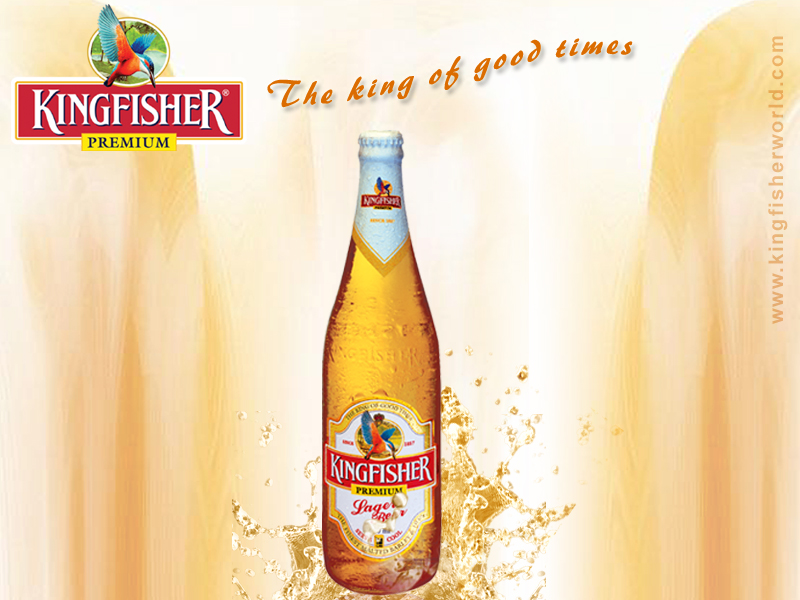
Kingfisher : The King Of Good Times

Brand: Kingfisher
Company: UB Group
Agency:JWT

Brand Count :169

Kingfisher is a classic case of branding success. This brand can even be termed as an iconic brand. A brand that had extended itself from beer to airlines can be equated to the Virgin brand. The brand is synonym with Beer in India. Now ask a young man from India what a Kingfisher is ? The most likely answer will be either Beer or Airline. The power of the brand has virtually made the bird a brand extension.

Kingfisher is a brand from the UB group stable.It is the largest selling beer brand in India commanding a market share of over 28% in the Rs 5000 crore Indian Beer market.The brand epitomises energy, youthfulness ,enthusiasm ,freedom but with a touch of professionalism.

United Breweries (the original name of the group) have a history dating back to 1857. The company came into existence as UB in 1915 with the merger of five small breweries . The Kingfisher brand was launched in the year 1980 ( the exact year of the birth of Kingfisher is not known,80's marked the real life of this brand).

The brand was the brain child of the current Chairman of UB group Mr Vijay Mallya. Reports says that Mr Mallya went to work in Calcutta as a part of mentoring program under Mr HP Bhagat. At that time the brands that were popular from UB stable was Kalyani Black label, Doctor's Brandy etc. Mr Mallya wanted to create an exciting brand and none of the existing brands did not impress him. He went back to Bangalore,searched archives and stumbled upon an old label with a Kingfisher in it. That marked the birth of the Iconic Kingfisher brand.

The major factor behind the success of Kingfisher brand is the Passion that Mallya have on the brand. When marketing theorists says that Marketing is a serious business, Mallya will tell you that Marketing is CEO's business. When the CEO takes interest in the brand and virtually promotes the brand in every occasion, there is so much equity generated on the brand. Like Virgin's legendary Richard Branson , Mallya also showed that the primary task for any CEO is to be passionate about the brand. While in most cases CEO comes into picture to deliver the annual shareholder's meet, Mr Mallya takes the brand with him everywhere.

Kingfisher brand is a unique marketing success story because it thrived in an environment where liquor/ beer advertising was banned in India. The owners have built the brand circumventing the ban on promotion. During 1997 , the brand roped in Ajay Jadeja and Sourav to feature in the campaigns. In 1996 the brand become the worldwide sponsors of the West Indies cricket team. But the brand was conscious to keep Kingfisher the star . The West Indies team personified the brand values of fun loving but successful team. The famous jingle " Oola la le lo" and the fun filled TVC rightly placed the brand as a fun loving one. Unlike brands like Pepsi which is focused on cricket, Kingfisher promotes all sports and the brand sponsors football stars and even Formula 1.

The brand directly talks to people who are Easy going, chilled out person who's always willing to take a break and party with the friends. But they are very professional and successful .

Most of the business reports try to relate the persona of Mr Mallya and the brand which I feel is unjustified. The brand Kingfisher does not derive any thing from the personality of Mr Mallya. The brand has its life of its own. Since the chairman is passionate about the brand, he takes personal interest in the brand . Other than that relating the person and the brand and trying to say that Mr Mallya is more flamboyant than the brand is doing unjust to the brand.

The brand also have a 360 degree approach to promotions tapping all possible ways to communicate with its target audience. The brand sponsors lifestyle events and the Kingfisher Calender has attained a cult status with in 4 years of launch. During 2003-04 the brand logo got a make over and the Kingfisher started flying rather than sitting. The new logo signals the brand's vision to get to new heights. The new logo designed by Claessens was backed with lot of noise in the media.

To circumvent the regulatory ban on surrogate advertising, the brand has launched into different categories like Mineral water and even into readymades taking a lesson from Wills.
2005 saw the UB group getting into the Airline business with its Kingfisher Airlines.The airlines became a brand to reckon with with in a year because the brand lived to its expectation and promise. Positioned as a funliner, the brand equity of the mother brand has been enhanced by this Extension ( can i call it an extension?).

Behind the glamour of swimsuits and parties , one should not forget the strategies that made the brand a super brand. The distribution and the point of promotion strategies of KF is excellent. The brand has maintained international quality but made sure that it is with in the reach of the Indian consumer.

source:kingfisher.com,businessline,magindia.

Wednesday, November 29, 2006

Amrutanjan : It's Gone !

Brand: Amrutanjan
Company: Amrutanjan Ltd
Agency: Dentsu

Brand Count: 168

Gayab,
Poye Poch,
Poyallo,
Its Gone !!!!!
Remember the brand ?

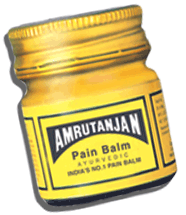
Amrutanjan is one of India's heritage brands. This 113 year old brand is still young and rocking. Amrutanjan is still one of the largest players in the Rs 250 crore balm market.Etched firmly in the mind of the consumer, Amrutanjan sustained competition, generations and maintained its relevance in the Indian market. The brand has a huge equity in the Indian market and all along has been trying to extend its equity to various categories.

Amrutanjan was founded in 1893 by Mr. Nageshwara Rao Panthulu Guru. The company became public in the year 1936 and currently commands 21-23% market share in the category. The yellow colored formulation and the glass bottle has been a part of Indian households. Although a pain balm , the brand was used for cold and head aches. The brand has a huge cache of loyal users especially in South India. Although the balm market including cold rubs and cold reliever market is Rs 250 crore, the balm market is estimated to be around Rs 100 crore.

Although Amrutanjan is famous for its pain balm, the company has successfully diversified into categories like Diabetes cure and bio technology. The company has now a portfolio of brands like Daikyur, Amrutanjan strong, Dragon liquid balm, Cold snap etc.
In the pain balm segment, the company faces tough competition from Zandu Balm which is the market leader. While the overall balm market (including cold) is dominated by Vicks. Vicks commands a market share of over 60% in the cold balm/rub category.
Amrutanjan has positioned its pain balm on its quick relief attribute. The old and famous " It's Gone" campaign is still recalled by most people. Even though many brands have tried to convince the customers about quick relief, Amrutanjan still retains its equity.

In its portfolio of brands, Amrutanjan's Cold snap is an interesting case .The brand was launched in 1997 with much fanfare. The cold snap was pitted against Vicks. The brand was the first gel product in the category. The differentiators for the brand was that it is non greasy . But the brand was not successful. The simple reason is that Cold snap should not be applied to the nose. It should be applied to the chest and the back for Cold relief. This caused lot of confusion in the consumers. Traditionally when we have cold, we rub the balm all over the nose and even apply the balm inside the nose ! Now the brand says not to do it and warns the customers that it is dangerous to apply Cold Snap on nose. I believe that it is the single factor that prevented Cold Snap from being successful. Cold & Nose have strong association and the brand went against that association.

The pain balm has been riding on the equity and the heritage. Although I am not making any judgement about the future of the brand, I feel that the campaign " It's gone" has immense potential. The brand could come out with new series and versions on this platform and keep the brand alive and relevant in the consumer's mind.

source: businessline,amrutanjan.com,superbrands,sify,domain b

Tuesday, November 28, 2006

Band-Aid :Continuous Care

Brand : Band-Aid
Company: Johnson&Johnson
Agency: McCann Ericson

Brand count: 167

Band-Aid can be considered as an classic case of branding success. The brand which is almost 86 year old has become generic to the category. Band-Aid is an Adhesive Bandage used to cover minor cuts and bruises. The brand has come a long way to become one of the classic marketing case study.

The brand came into existence in 1920. The person behind this innovation was Ms Josphene Dickson, a homemaker and wife of Mr Eric Dickson who was cotton buyer at Johnson & Johnson. Josphene during her daily chores inevitably encounters numerous minor cuts and bruises, wanted an easy solution to cover the cuts to prevent it from worsening while continuing her work. Eric prepared a readymade bandage using cotton and adhesive tape so that Josphene can cut from the readymade bandage and use it when in need. Eric told his boss about the invention and thus the concept took shape of Band-Aid ( source:superbrand.com).In 1924 the world's first machine cut band-aid was marketed and it was a huge success.

In India, Band-Aid was launched in the year 1978. Band-Aid was successful because it identified the need in the households for wound care. But to reach the dominant position in India was not easy. Band-Aid had to fight the tradition rather than the competitors to succeed. Traditionally, Indians prefer not to cover the cuts and bruises because there is a feeling that wounds should be kept open inorder to heal faster. Further, Indian consumers typically used traditional methods to heal wounds. In earlier days most of the households had the bottle of tincture iodine which was considered as the best solution for cuts and bruises. Kids used to hate this because the pain will be excruciating when tincture iodine is applied to cuts. Band-Aid comes with red coloured medicine inside ( I think it is Benzalkonium) which resembled Iodine. This had enabled early adoption of this brand and Band-Aid was called " Lal Dhawa Wali Patti" which became the USP . Had the medicine color was not red, Band-Aid would have tough time convincing mothers. The Kids also loved the brand since they were relieved of the pain of Tincture iodine.

Band-Aid also tried to educate mothers about the possible problems in keeping the wounds open because of dust infections caused by it. This also boosted the brand acceptability. One of the major factors that aided the success of this brand was the distribution strength of J&J. Band-Aid was a mass market product and hence it has to be there at every shop in the market.

Band-Aid was a brand that changed with time and it keenly watched the consumers and tried to identify their needs. The company had valuable consumer insights that created the first water proof band-aid in India. The main weakness for bandages was that it used to come off easily when wet. This prevented the category usage to certain extent. The waterproof band aid made the brand usable in any condition. This innovation catapulted the brand popularity to newer heights. Band Aid focused on the area of application and was clever enough to come out with various size and shapes. This come from the insight that different wounds in different parts of the body needs different shapes. For example, a small cut in the forehead needs a round band-aid .These insights made the brand a market leader in the category with a market share of over 60%.

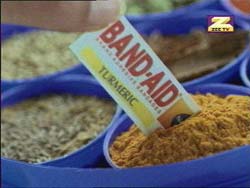
Johnson& Johnson also saw an opportunity for the brand in the traditional cure for cuts. In India, turmeric is used as a medicine for cuts and blemishes. Band-Aid launched a turmeric variant of the plaster much to the delight of the Indian consumers. The brand was also promoted heavily. Band-Aid was the first in the category to advertise in electronic media. According to Superbrands.org, Band-Aid was the first product endorsement of Sachin Tendulkar.
Initially positioned as a wound care brand, Band-Aid was repositioned as a product that encourages kids to be active. Kids have the innate desire to be active and Band-Aid makes sure that cuts and bruises will not be hinder that desire. The brand also roped in Virendra Sewag as its ambassador during the cricket season.
Band-Aid has been lying low in the media for a while. The brand has already become generic to the category. Being generic has its share of problems also. When the customer uses the brand as a generic name for the category , the retailer can offer him any brand in the category. There are many local players in the market who gain by a brand major becoming generic. Competition is also from players like Handyplast and Dettol. Although the Indian wound care market is estimated to be around Rs 512 crore, the domestic adhesive bandage category is small at Rs 25 crore. The brand equity of Band-Aid still going strong is a an entry barrier for any one looking to enter this category.
The brand is currently being positioned on " Continuous Care". The positioning is pitting this brand against the ointments and other external applications. The concept is to educate the customers that use of plasters will heal wounds better than the use of ointments.

source: superbrands.com,jandjindia.com,agencyfaqs

Monday, November 27, 2006

Jaquar : Too Good To Resist

Brand : Jaquar
Company:Jaquar & Co
Agency: Crescent Communications

Brand Count :166

Jaquar is the market leader in the Rs 1000 crore Indian tap and bath fittings market. This superbrand has revolutionised the bath fitting industry. A classic case of brand building in a commodity market, Jaquar is the pioneer in creating the premium bath fitting market in India.

Jaquar was born in 1984. The company which owns this brand started its operations in 1960 and was selling taps under the brand name Essco. Soon the owner saw the opportunity for a premium range of bath fittings and thus born the brand Jaquar.
Traditionally bath fittings and taps were low involvement products. Most of the products that were in the market where basic products and had little differentiation and devoid of any dash of aesthetics. The reason behind this was usually the bath fittings are purchased towards the end of the house construction. That leaves little money with the customer to spent. Hence the orientation was towards buying low cost basic products.

But the Indian consumers were changing.. ( cliche). The increasing disposable income together with the changing pychographics opened a window of opportunity for Jaquar. Indian consumers were traveling and was slowly getting tuned to the lifestyle in the developed nations. Bath fittings and taps were slowly recognized as products that can enhance the beauty of the home.

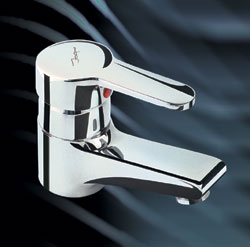
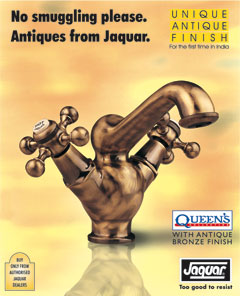
Jaquar pioneered and rode the concept of aesthetic designer taps and fittings. The brand was built on the platform of quality ,design and aesthetics. Positioned initially as a " better tap" the brand metamorphosed to an aspirational brand with the latest tagline " Too Good to Resist".
The brand has many first to its credits. The brand is the first to offer a range of bath fittings that merge with the design of the house itself. The concept of "Range" was first introduced by Jaquar. A series of products were launched as "'Collections" .The collection branded " Stealth " was the first bath fittings range in the Indian market. Jaquar communicated with the customer about the brand in a different way compared to its competitors. For the collection series, the brand talked to the consumer about the inspiration behind the collections. For example the Inspiration behind the Queens Collection was the Royals.
Jaquar was also the first brand to advertise in the electronic media. The earlier TVC of the thieves stealing the tap forgoing other valuables were memorable one and effectively reinforced the brand image as an aspirational brand.

Jaquar was clever enough to realise that Indian consumers are not price sensitive but Value sensitive. The brand was priced at a premium. But the company ensured that the product offered the value for the price customers paid. The brand is the first to offer after sales service to the customers which was unheard of for bath fittings category.

Jaquar was also promoted through a multifaceted promotion strategy involving all channel members. The effort has given results for the company . Jaguar now dominates the organised tap/bathfitting market (Rs 500 crore) with a market share of 50%. The creation of the premium bath fittings category has attracted lot of competitors to the market . Jaquar now faces competition from players like Marc and other foreign designer fittings. To stay in the leadership position, Jaquar has tied up with global majors to introduce global range of bath fitting products into the Indian market. It has tie up with the German major Hansgrohe in the shower products, the swiss major Aquis in the sensor bath accessory segment and the Swarovski crystals for the ultra premium range.

Through careful brand building Jaquar has created and virtually owned the segment of premium bath fittings market. The brand is now extending its equity into related category like electrical fittings and accessories.

source: Superbrand.org,jaquar.com,magindia.com

Sunday, November 26, 2006

Mastercard : Priceless

Brand : Mastercard
Company: Mastercard Worldwide
Agency: McCann Erickson

Brand Count ; 165

Mastercard is one of the pioneers in the global credit card business. Born in 1967, the brand is the second largest player in the Indian plastic money market trailing behind the global leader Visa.
Diners Club issued the world’s first universal credit card in 1920. Mastercard was born from an alliance created by United California Bank, Wells Fargo,Crocker National Bank and Bank of California. This alliance was pitted against the Bank Americard issued by Bank of America that later became Visa.

The original name of Mastercard was Master Charge Inter Bank Card which later shortened to Mastercard in 1979. In 2002, Mastercard International was absorbed by Europay International SA and in 2006 the company changed its name from Mastercard International to Mastercard Worldwide.

The business of credit card works in different layers. There are four players in the business.

  1. Network
  2. Issuer
  3. Users
  4. Establishments

The networks consists of players like Mastercard ,Visa who are the credit card companies .These companies have linkages and association between different banks and facilitate transactions between users , the establishments and the banks .The issuers are the banks that issue the credit cards like the ICICI, HDFC etc.The users are card users and establishments are those who accept credit cards as a mode of payment.

How credit card works?
When the user buy something, the network ratifies the user’s credibility and authorize the establishment to proceed with the transaction.The netwok then instruct the bank to make the payment to the establishments.(This the layman’s description of how credit cards work).

The credit card companies make money through the association fees paid by the banks and the fees paid by the establishments. The issuers make money by the interest charges paid by the users when they avail the revolving credit facility. Issuers also charge the users annual fees for issuing the card.The establishment benefits by the higher purchasing power of the users .

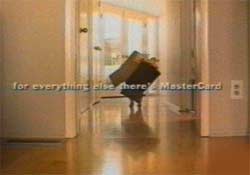
Mastercard is positioned on the emotional platform rather than on the rational platform that Visa uses. The brand has the famous campaign “ There are somethings money can’t buy, For everything else there's Mastercard”. The campaign known as Priceless campaign was launched in 1996.The campaign executed by Mccann Erickson rejuvenated the sagging fortunes of the brand during 1996. The brand at that time was facing disaster, the sales was sliding and the competition from Visa was slowly pushing Mastercard to oblivion.The Priceless campaign was indeed Priceless for the brand.

The main attribute that consumers look for in a credit card was its acceptability in shops ( reach). Visa was a leader in this and the positioning was based on its awesome acceptability.Together with the reach, the Visa also was building its equity through celebrity endorsements.

Mastercard at that time had no clear positioning and was not focused on any one attribute.This diluted all the previous campaigns for Mastercard. What the brand needed badly was some meaningful differentiation.

The Priceless campaign was aimed at differentiating this brand on the basis of intangibles ie emotions. The campaign is based on the big idea that cost of ownership is one thing and the emotional value that one derives out of it is another thing. Mastercard wanted to say to the consumers that the Mastercard is the best way to pay for every thing that matters. It wanted to show how the purchases can enhance the quality of the consumer’s everyday like. So the brand takes Money as a competition rather than other cards. This campaign is cited as an example of breakaway positioning .The campaign is already 10 years and some 170 campaigns old .This is a classic case of a successful global positioning and one of the most successful campaigns ever.

In India too the brand is riding on the Priceless campaign. The company very cleverly mixes local version of the campaign and the global versions to keep the excitement live. This campaign has established the brand recall for Mastercard in the Indian market. The Indian credit card market is a large one with a market size of $4 bn and there estimated to be around 17 mn cards and growing very fast. The market is skewed towards Visa but Mastercard has gained its rightful share with the help of the Priceless campaign.

Priceless campaign was extended not only to the credit cards but also to other retail products of Mastercard. The campaign is now extending itself to consumers and asking consumers to share their Priceless moments with the company through its website “ Priceless.com”. The brand is an example of the power of Big Idea and a lesson for all who are bored with a successful positioning and want to change the positioning for the sake of change.

Source: Breakaway branding by Kelly &Silverstein, Wikipedia,mastercard.com

Friday, November 24, 2006

Body Shop : Profit With Principle

Brand : Body Shop
Company: Loreal


Brand Count 164

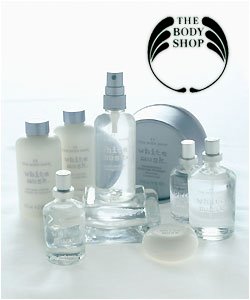
Body Shop is a brand with a difference. Marketers consider this brand as an Icon. Body Shop has created a brand image without the aid of conventional advertising.2006 saw this iconic brand draw up serious business plans for India.

Body Shop brand was created in 1976 in Brighton United Kingdom. The brand and the brand owner share a common personality that is very much linked to each other. Anita Roddick the legendary founder of the Brand created this brand from a small shop in UK started to support her family.

Body Shop in India is sold through the master franchise Planet Sports . The brand is expecting to ramp up the operations to major metros by the year 2008.

Body Shop is differentiated from other conventional cosmetics by the values that the brand adheres to and the brand image created through the unique association with those values.
The brand is famous for its association with ethical practices and the environment friendly world view. The products reflects these values through the use of only natural ingredients and the products are never tested on animals.The packaging and the merchandising are carefully prepared to highlight the brand values. For example , Body Shop uses refillable packs and recycled /recyclable papers. Although the use of refillable packs were used to keep the price low, it evolved into an element that reinforced the brand positioning. The brand also was careful in the messages displayed in the shop and other POP merchandises. The messages were simple, enthusiastic and informative. These elements made Body Shop a different cosmetic brand.

The brand was essentially an extension of the founder herself. Anita Roddick is an ardent environmentalist and naturalist. Her views about the nature supported with her activities and associations created a positive reinforcement for the brand. Customers were seeing a brand that does things while others just give hope. More over Body Shop was able to communicate with the customers at a higher level rising above beauty and fairness that other cosmetics talked about. There was honesty associated with the brand. The shops also reinforced this attribute. All the shops reflected an environment of honesty, excitement and fun. It is reported that Ms Anita Roddick takes personal interview with the franchises to ensure that they share the same passion with Body Shop principle.

Although Body Shop is starting serious business with Indian consumers only now, the association with India dates back to the initial years itself. India was a sourcing partner for Body Shop during the creation of the brand.

The success of the brand was because of the unique business model of Body Shop. The brand relies on PR and word of mouth to make sales. The Indian launch was also a low profile one . The brand has gone against most of the conventional marketing practices. The products are simple and the new product ideas are derived from the wisdom of the ordinary people. For example, When the founder was traveling in Srilanka she found women rubbing their faces with freshly cut pineapple flakes that gave a special look to the faces. This translated to a product Body Shop Pineapple face wash. Many products were resulted from this experiences of the founder from the numerous trip she made around the world.

In 2006, Body Shop was acquired by Loreal for 650mn Pounds. Body Shop will function as an independent entity retaining the management and the principles that made this brand an icon.
In India too the brand is expected to appeal to a niche market. Niche in the sense that the level of awareness about "environment friendly" and " ethical" product positioning is a novelty in India. We often relate environment friendliness with unprofitablity while the basic principle of Body Shop is " Profit with Principle" . Another factor is that in India, celebrities are not associated with nature activism. We have the prominent naturalists in Medha Padhkar and Baba Amte and not AB or Susmita Sen.

In the market where high decibel advertising and sales promotion rules, it will be interesting to see how Body Shop will gain the iconic status it deserves in the Indian market.

Source:Harvardbusinessreview,strategicbusinessmanagement(keller),
bodyshopinternational.com,businessline.


Thursday, November 23, 2006

Ganga Soap : RIP

Brand : Ganga
Company: Godrej Consumer Products

Brand Count: 163

If the Western Media's projection or prejudice about the social and cultural makeup of India was correct, then Ganga soap would have been the most sold soap brand in the world. Those who have been watching India specific programs in BBC and National Geographic may wonder how can such a brand fail in the land of elephants and Sadhus ?

Ganga soap was launched with much fanfare in 1993. The soap was positioned on the religious platform and was claimed to be made of water from the river Ganges. The soap attained salvation in the early 2000.
The brand comes from an accomplished marketer who markets such iconic brands like Cinthol. The brand was promoted heavily and even had the film stars like Govinda endorsing it. Promoted using the tagline " Now bath in Ganga" very directly puts the soap in a religious platform. Reports suggest that the brand's initial sales was encouraging and also there are reports that blame on the P&G and Godrej break up caused the brand to decline.

Ganga had a revitalisation effort in 1997 when Godrej tried to relaunch the brand under the name Doodh Ganga. But those effort went in vain.
The primary reason why the brand failed was that the differentiation was not sustainable over time. Although Hindu's are very religious in nature and revers the tradition but the consumers are discerning when it comes to purchasing products. There is a clear divide between religion and products. Consumers seldom like mixing the two. It is OK if religion and politics are mixed not soups and gods. That may be the reason why the toys of Hindu mythological characters are not popular in India.

The brand when launched was really praised for its innovative thinking. One could see through the logic of the launch. Just looking at the crowd at Kumbh Mela would encourage any marketer to think about launching a product for the devotees of Ganga. But a closer look at the customers could have proved the marketer wrong. Why would a customer buy a product? That is a question that could reveal that Love for Ganga would not rake in sales.

Rather than using Ganga as a differentiator, Godrej could have positioned the product on the basis if Purity and Gentleness like the Pears Soap. The can show the use of Water from Ganga to reinforce the positioning. But the religious platform failed miserably. More over this platform is too old dated for our new generation. Another funny element is that although Hindus revere the Ganges, people are aware that the river is the most polluted one. Hence there were consumer buzz that using a soap made from such water may be dangerous. Sensing this consumer talk, Godrej had to tell that the water was taken from places near the origin of Ganges hence not polluted. Overall it was a messy affair.

Ganga is a brand that could have survived as a small niche. I am still not sure about the exact reasons that brand have failed in the Indian market.The failure of such a brand should inspire a marketer to delve deep into the psyche of Indian consumer before jumping into conclusions.


source:economictimes. Mouthshut .com

Wednesday, November 22, 2006

TVS Scooty : Playful + Powerful

Brand : Scooty
Company: TVS
Agency: McCann Erickson

Brand Count:162


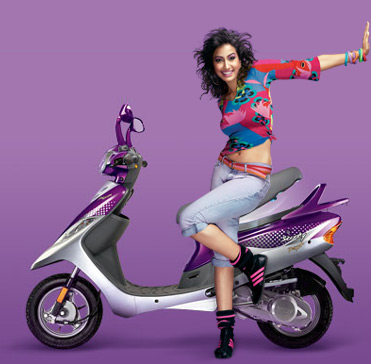
TVS Scooty launched in 1994 is one of the super brands in India. The brand has created and ruled the Scooterette market in India. Scooterettes are sub 100 cc variomatic scooters targeted specifically at the fairer sex.

The brand was an instant hit in the market because of its low price and smart positioning.The brand effectively identified the need for the TG and the product was lapped up in the market. The segment for this brand are
a. College going teenagers
b. Working ladies
c. Even Men

The market can be divided broadly into two based on the customer preference. One set of customers prefer Functionality and another segment prefers style. Scooty has been able to maintain the balance between both.
The entire market for scooters (75-125cc) is dominated by Honda with its Activa and Deo range. Scooty has a market share of about 30% in the segment. The scooterette market is hotting up with lot of competitors eyeing for the share . The latest in the block is the Hero Honda Pleasure which is positioned as a stylish brand exclusively for ladies. The competition also have prompted the players to enhance the power of the scooters.
Scooty has been consistently successful because the brand was quick to change with times.The brand never failed to emulate the competitors when they come up with added features. The brand always had two set of campaigns: one stressing style and the other stressing the functionality.

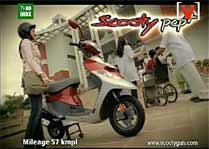
Scooty has now launched a more peppier Scooty Pep+ with more power. The engine has been upgraded to 90 cc from 75cc. The change was warranted because of the following reason:

a.There is an assumption that ladies/girls prefer less powerful vehicles. Although it is a fact that the segment prefer lighter vehicles, the " powerlessness" is just an assumption. The success of Honda is an ample proof that ladies too prefer powerful vehicle . There is also a distant possibility that the segment preference for more powerful vehicle will increase in days to come. The reason is that those who use these vehicles often need to carry either their kids or their friends along with them. Also the road conditions and the traffic calls for a powerful vehicle.Scooty aims to be the lighter powerful vehicle for them

b. Another factor is the segmentation issue. Scooty is more appealing to the college going girls because of the style. While in the case of working ladies, the segment is targeted by scooters rather than scooterettes. So unless Scooty take this segment seriously, it will be an opportunity lost for the brand. It has to be recalled that their scooter brand Spectra has failed in this market.

Scooty Pep+ is promoted heavily by TVS. The brand is positioned on the basis of Power and Style. The brand got a big boost with Priety Zinta as its brand ambassador. Priety and Scooty gels so well that I call it a perfect example of Successful celebrity endorsement ( my opinion). TVS has been lucky or smart enough in identifying right celebrities to endorse their products like Sachin and Dhoni for Victor and Star respectively.

Scooty also launched another campaign taking the brand to the next level talking about women empowerment and success. The brand is trying to ladder up to a higher state of connectedness with ladies. I think the brand has taken some lessons from Dove and Fair & Lovely which has been successful in laddering up. According to Professor Keller Laddering is the progression from attributes to benefits to more abstract values of motivations.Failure to do so will reduce the strategic alternatives to the brand. ( strategic brand management: Kevin.L. Keller).

The product category of scooterettes are showing more potential in the urban markets in coming days. This category is non existant in the semi urban and rural markets which will be a tough call and in the current conditions, it may not be possible also. The possible competition is from electric scooters and second hand Maruthi cars . Another issue for the brand is to sustain the value proposition for Scooty. Scooty is priced around Rs 32000 which is a premium. It is walking on the thin red line between benefit and cost. The price -value proposition will be biggest challenge for this brand. Having a no frill low cost Scooty has to be there to keep away the treat from the price warriors.

source: businessline,indicar, tvsscooty.com,economictimes,strategicmarketing