Monday, August 21, 2006

Sparsh :Long Lasting Goodness

Brand : Sparsh
Company: Marico
Agency: McCann Erickson

Brand Count : 116

Sparsh is a bold move by Marico in the baby care market dominated by none other than Johnson &Johnson. The brand which was rolled out initially as baby oil has extended itself to Baby Soap.

Indian Baby care market is estimated to be around Rs 3 Billion and in the oil, cream and soap category, the market is dominated by J&J. In the soap category, the Johnson's Baby Soap commands over 68% market share and 100% mind share.

Many companies have in the past tried to break in to this market. Wipro with their Baby Soft tried to break into J&J but is now looking at alternative segment by reducing the price. Wipro is now building the brand in the price conscious segment. Other players like Himalaya,Dabur and HLL is trying to enter the segment which has a huge potential to grow.

Marico entered this segment with the launch of Sparsh Baby Oil. The baby oil category is estimated to be around Rs 350 crore. The brand was launched after a careful market study and prototype testing in Andhrapradesh which is a huge market for baby oil. Buoyed by positive results, the brand was nationally launched this year. Also came in to the market Sparsh Baby soap posing a direct competition to the market leader J&J.


The greatest obstacle for Marico in this segment is the brand equity that Johnson's Baby soap enjoys. For over 59 years, this brand has been the favorite of mothers world over. The brand has already a generic status in this category. This equity is something that is a hard nut to crack. Infact J&J has a virtual monopoly over the Baby Skin care segment. Sensing this difficulty Wipro have changed the segmentation of their Baby Soft by reducing the price to attract the non users rather than directly competing with the leader. Sparsh is directly competing with J&J and Sparsh oil and Soap is priced at par with Johnson's.

Sparsh is initially banking on the equity of highly successful Parachute oil. Sparsh is endorsed by Parachute and the brand value of the Parachute : " Long Lasting Goodness" is extended to Sparsh also. Sparsh is based on the Naturals Platform . The oil is having natural ingredients of turmeric , tulsi and coconut oil . This gives the brand a clear differentiation to Johnson Baby oil which is more synthetic based or Non Natural. The baby massage oil market in India is dominated by Dabur with its Lal Tel with 22% value share. So the fight here is between Dabur and Marico.
Sparsh Baby Soap is also based on the Natural Ingredients like Turmeric and Natural moisturisers . The brand is positioned as India's only " No Tear " baby bath soap. The soap has a unique shape and is transparent and looks like Pears. So through Attribute and Appearance, Sparsh is differentiating itself from the market leader.
To promote Sparsh in South, Marico has roped in the Southern film diva Simran and for their national launch Ms Sonali Bhindre. Both are famous Young Star Mothers. Along with the high profile brand building, Sparsh is trying to influence the " Influencers" of these products like Doctors & Paediatricians through different campaigns.
Marico is an accomplished marketer who knows how to build a brand. Here in this market, this skill will be tested to the maximum.

Source: Marico website, Businessline, Agencyfaqs,

Saturday, August 19, 2006

Moods Condoms : My Man

Brand : Moods
Company: Hindustan Latex Ltd
Agency: Lowe
Brand Count : 115

Moods is a major player in India's Condoms market. Moods was the first major branding exercise to happen in this market. The Indian Condom market is estimated to be around 130 crores.

Moods was launched by Hind latex in 1987 with much fanfare . It was a bold initiative and the campaign was regarded as one of the marketing success stories. Indian condom market is divided in to
a. Free segment
b.Subsidised segment
c.Popular segment
d. Premium segment
Moods is a major player in the popular segment while brands like Kamasutra, Kohinoor and Durex are in the premium segment.

Condoms are considered to be a taboo product. Just like the sanitary napkins, People don't want to discuss these products in public let alone be seen buying it. Hence marketing of this product is a tough call for any marketer. Hence during the 80's the major challenge for HLL was to break the taboo. Moods did to the condom market what Whisper has done with the sanitary market. Now marketers are trying to market these taboo products with "Look good, feel good , do good" message strategy.

Moods was launched with classic ad featuring a hunk asking for " Moods Please" at a store where a shy person was struggling for asking for the same " Can I have a pack of ......mmm..". We as the audience were shocked and surprised at this blunt campaign. The words "Moods please" struck the consumer so hard that even small kids used to tell the shop keeper " Moods Please" much to the embarrassment of the parents.
The brand was positioned for taking this product category out of closet. The baseline " Act With Confidence" exhorted men to confidently ask for this brand at the shops. The campaign created by RK Swamy was a classic success story.
The success of Moods prompted many bold launches in the condom market. At that time Nirodh was the popular brand because of the support from the government. Moods created a category of branded condoms. Next to follow the Moods brand wagon was Kamasutra. KS created lot of talk with its bold ads featuring Pooja Bedi and Marc Robinson. These efforts helped to a certain extend to take this category out of closet.


According to a report on the site Foolonahill.com, the condom use in India is only a mere 5%. The product is still perceived to be a Pregnancy prevention tool. Indians never have looked it as a tool for pleasure enhancement. Although the brands are now highlighting the pleasure aspect with the launch of Dotted and Scented variants, the market is yet to catch up.

The major factor being the cultural psyche of Indian consumer. Unlike in the west, couples seldom talks about sex. We are still a land of hypocrites. Hence it is difficult for a marketer of condom to talk openly about pleasure enhancement and sex without getting the wrath of the so called Culture Evangelists. Kamasutra brand faced lot of such problems when they tried to talk sex. The question is " Without talking sex, how can you sell condoms?" or should I say " Why should I sell condoms with out talking sex? ( debatable point !).

Even with these marketing efforts the product category is still not out of the closet. The product is still bought secretly and we can see the shopkeeper hurriedly packing the product so that others don't see it. Seldom do customers buy it from supermarket and the sale happen through medical shops. So more efforts are necessary to take this product out.

One of reasons why there is a sluggish growth in the condom market is the demand supply gap. Since there is lot of money and demand in the "Social marketing" initiatives of govt and UN sponsored agencies because of AIDS scare, the manufacturers are flush with orders hence where is the time left to create the market.

Moods brand after its success with the " Act with confidence " campaign is now back with the new campaign " My Man". The ads with the old song background " Ye Kya Hua" is interesting. But I have some reservations about the message of the ad ( frankly I don't know). The baseline " My Man" is also little confusing. But any way the ad execution is OK but with a poor message.

Source: Magindia.com, foolonahill.com,hindlatex.com

Wednesday, August 16, 2006

Ceasefire: RIP 1989-2002

Brand : Ceasefire
Company: Real Value Appliances
Agency: Grey

Brand Count : 114


Ceasefire was India's first domestic fire extinguisher. It was one of India's best and worst marketing stories. A brand that virtually created and ruled a category faded out after12 years.

Fire extinguishers comes in the category of unsought goods and it is difficult and expensive to create and survive in such a product category . Real Value Appliances owned by Mr. Pheroze Engineer started operations in 1989 bringing to the country a new concept - a domestic fire extinguisher. The fire extinguishers were not uncommon to Indian consumers. We see it in large malls and theaters. But a domestic one was unique. Indian consumers never thought of having one in their homes.

The product made perfect sense in Indian market ( infact every market). Our households deal with fire all the time and the risk of fire being getting out of control is very much there. Hence a marketing mind would easily see the prospect of cashing in that need : the need for protection from fire. Thus came in to market Ceasefire. The product was compact, unique had a catchy name, looked good and boasted of extinguishing all sorts of fires.

Ceasefire was halon 1211 based fire extinguisher that was very compact and was handy and easy to use ( with minimum effort). Much more than the efficacy of the use, it gave a certain peace of mind to the Indian consumer against the possible fire mishap.
The product was well received in the market. The ads were focusing on building in the consumer a fear about a possible fire mishap . The ads were backed by a sales campaign. The company focused on direct marketing for promoting the product . Since the " Fear of Fire" is so basic to human psyche, the success was imminent. The product was priced at a premium and the customers never complained.
Fire extinguishers , like Insurance is one kind of product where customers are not unhappy if it is not being used. Hence the success is in keeping the " Fear " alive in the customer's mind. The success of Ceasefire was much discussed in Management classes those days.
Then buoyed by the success, the company diversified to Vaccumizer and " rest became history". From a brand that was among the top ten fastest growing brand in the country to a company referred to BIFR, things moved very fast from 1997 onwards.
It happened not because the brand failed the company but it was because the company failed the brand. The unsuccessful new product like vaccumizer and the alleged mismanagement failed the brand once gloried as a marketing success story.In 2002, Real Value Appliances closed down
its operations. May be the brand / company tried to grow very fast without consolidating, may be because of mismanagement.
It was a brand that lost its life because of faults not of its own. But surprisingly, no other brands have come forward to take that position. The product category that was created by Ceasefire is still void. May be the category may not be appealing to the other marketers. But the potential is there and the fear is also there.
Source: magindia, indiainfoline, estrategicmarketing.com

Saturday, August 12, 2006

HDFC Standard Life Insurance: Respect Yourself

Brand: HDFC Standard Life Insurance
Company: HDFC Standard Life Insurance
Agency: Leo Burnett

Brand Count :113

India is one of the most lucrative financial services market in the world. The insurance market in India is estimated to be around 400 bn growing at an astounding rate of 30% p.a. Still the experts believe that the potential is largely untapped.

The insurance market is dominated by the public sector giant LIC with a market share of around 71.4%. With the private players leading the growth story, this sector is witnessing more marketing actions than even the FMCG sector.

Traditionally insurance are sold through direct selling. The reason being purely the nature of product warrants direct communication with the consumer. Kotler categorizes Insurance as an "Unsought" product . Unsought products are those which are ranked lowest in terms of consumer interest. Consumers may not be even aware of either the need or existence of such products.

Historically, Indian insurance products are sold for wrong reasons. People buy insurance to avail the tax benefit and not to ensure protection and LIC was happy to oblige. Hence most of the sales talks start with the question " How much do you pay tax?" . Little money was spent on brand building because there was no competition for LIC.
Things have now changed. With the increasing financial literacy, volatile economy and uncertain future are prompting Indians to look seriously at insurance as a means for protection rather than tax saving instrument. With more private players entering the domain, the issues of differentiation and branding became important.
HDFC Standard Life Insurance (HDFCSL) is one of the major players in the insurance market. One of the first private insurers to enter the market, HDFC SL entered the scene in 2000. It is a joint venture between the housing finance major HDFC and the UK insurance giant Standard Life.
Now a days we are seeing a lot of media action from this company. Although a slow starter HDFC SL was having a small share of the pie. It was eclipsed by ICICI prudential with its media and sales blitz making it second largest player in the Insurance market. 2006 saw a shake up in this market with Bajaj Allianz edging out ICICI from the second spot . Bajaj have a market share of around 8% and HDFC SL and ICICI fighting at 3rd place with around 7.5%.
HDFC is currently focusing on The Pension Plan and the Child Plan aiming to cash in on the potential of these segments. The pension market in India is estimated to be around 1000 crore with a huge potential for growth in the future.
The change in the demographics is going to drive the pension market in India. Traditionally in a Joint family, there was an inherent protection for elders. With the urbanisation and the evolution of Nuclear Urban Family ( NUF) , elders are often forgotten. Out of the 314 mn workers in India only 11% has some sort of old age security. People earlier depend on social security products like EPF and PPF to build a corpus for their golden years.
It is this potential that has encouraged HDFC to promote its pension plans. Introduced in 2002, this product has been well received by the consumers. The ads are well executed and revolve around the positioning of "Respect Yourself". The target segment being the 30 year old family man. The basic theme of the campaign is to appeal to the self respect of these men who are in their prime of their career. "Even after retirement let your hands give rather than receive" is one of the best themes for a pension plan. Since I am in that category , these ads strike a chord in me and reminds me of the need to plan for my retirement. The same theme is carried to the Child plan also.
Although these campaigns will help to invoke an interest in TG, the market is in its nascent stage and lot of convincing has to be done to crack this huge market. One of the stumbling block being the expensive annuity plans. For example , it takes a 2 lakh corpus to generate Rs 1000 per month pension. Also if you put 10000 per month in a pension plan if you are 30 yrs old, what you will get after 20 years is a monthly pension of 10000. ( correct me if I am wrong). So it looks unattractive in the first look compared to MFs.
HDFC Standard Life has correctly identified the pulse of the target market and is all set to reap the benefits.
Source: Businessline, HDFC SL website, indiainfoline.com, agencyfaqs

Thursday, August 10, 2006

L'Oréal : World Of Beautiful Brands

Brand :L'Oréal
Company:L'Oréal Paris

Brand Count: 112

L'Oreal is one of the most successful International premium brands in India. This French brand came to India in 1991 with its Ultra Doux range of Shampoo through its Agent Laboratories Garnier. In 1994 Laboratories Garnier became the 100 % subsidiary of L'Oréal. In 2000 Loreal launched its range of cosmetics in to Indian market.
L'Oréal is a global giant in the cosmetic industry with a presence in over 120 countries. Its brand is based on the values of Innovation and developing formulations unparalleled in quality and performance.

The Indian Cosmetic and skin care market is estimated to be around $300 Million. In this market the Color Cosmetic segment is around Rs 250 crore while the Skin care segment is estimated to be around Rs 400 crore.

In India the brand is having its presence with three international signatures: L'Oréal Paris, Maybelline Newyork and Garnier.
While L'Oréal was focusing on hair color market in the initial stages of its launch, Maybelline was in the premium color cosmetic segment ( Lipstick and nail enamel) while Garnier in the "naturals" segment.
L'Oréal came to India with its International range of hair colors. At that time hair colors were in the nascent stage with hair dyes dominating the market. The major player being Godrej. The consumers were thagingng lot who had startegrayingng.
L'Oréal changed the way Indian consumers viewed the hair color. The target consumers were not the older lot who want to blacken their grey hairs but the younger ones who want to make a fashion statement.
It was a tough call and to change the Indian consumer's mindset required a good marketer with hell lot of money. L'Oréal had all that. Globally this brand is endorsed by who is who in the fashion world like Claudia Schiffer. In India, the brand is endorsed by none other than Aishwarya Rai. The campaigns of L'Oréal had international models and the Indian models like Isha Koppikar and the ads were positioning this brand as a premium brand. Indian premium class who used to be a globetrotter knew this brand and there was no problem in accepting the Indian version. L'Oréal has garnered a market share of 38% in this segment.
Garnier concentrated on the Natural Hair care market with the main USP of strong hair. The brand positioned as a Unisex brand mainly used its international campaigns in India to appeal to the Indian consumer.
Maybelline is in thcolor cosmeticic segment and is targeting the premium class of customers. This global brand is famous for its tagline "May be she is born with it. May be its Maybeline". This segment is a tough call for Loreal since the global brands and our HLL is fighting for its share.
L'Oréal has now introduced their skin care products in to the Indian market. They have two divisions , one catering to consumer and other to the institution ( beauty saloons). I think the strategy to concentrate on the beauty saloons with specific products is one of the smartest marketing moves. Beauticians acts as influencer in the purchasing decisions regarding skin care as well as hair care. Last week when I asked my hair care specialist ( barber) about a good hair cream, he suggested L'Oréal hair cream. Another advantage is that the beauty saloons acts as a medium for showcasing the L'Oréal brands which can generate interest in the consumer. The saloons also benefit by using L'Oréal brands . Hence it is a win-win situation for the brand and the influencer.
With its smart campaigns and careful brand building L'Oréal has emerged as a winner in the Indian market which has seen lot of International brands biting the dust.
Source: ibef.org,Businessline, Loreal.co.in,agencyfaqs,

Monday, August 07, 2006

Live-in Jeans: Can't Live Without

Brand : Live-in
Company: Microtex
Agency: Contract
Brand Count: 111

The Live-in Brand of jeans come from Microtex Ltd which is the part of Maxwell group which is famous for their VIP brand of Innerwear. Live-in is a leading brand in the Rs.1500 crore denim market in India. According to a report on imagesfashion.com, the jeans wear market is growing very fast across various categories.

Live-in jeans is competing in the mid segment of the jeans market. The product was a bold move by the innerwear marketer into a market dominated by unorganised sector. The main target segment for Jeans are of the age group 16-35 ( although we find many 60 yrs old "young at heart" freaking out in jeans).

Live-in was launched with smart clutter-breaking ad campaign. It used the super model Dino Morea which added a touch of class to the brand. The brand was positioned as the ultimate comfortable brand which you will " Keep Them On and On and On". The baseline and the positioning was an instant hit and the brand had a good run ( I don't have the market share numbers).
The name "Live-in" is the most appropriate for a brand for jeans. The name came it being with a consumer insight that the youth these days virtually are living in their jeans for 18 hours a day.(magindia.com)

Later the brand extended into trousers and shirts. The Live-in shirts were using the baseline " Above All Else". The trouser range was using the baseline " Meet Your Lighter Side" . The campaigns of the trouser range was a flop because the company tried to add humour to the brand which failed. The flops eroded lot of equity of Live-in and the brand is back after a restructuring.

The primary reason for the extensions to fail because it deviated from the successful positioning of the Jeans brand. I can vouch that Live-in trousers are one of the best in terms of fit and quality in that price range. It could have given the Peter England Brand a run for its money, but it did not happen.
The latest relaunch of Live-in has done away with the famous " Keep them on" may be because it has been taken by batteries like Amaron. So Live-in is now with the tag " Can't Live Without", which is a smart baseline. The brand is now making lot of noises across the media with some good campaigns.
Pricing is a major factor in this market where the growth is happening most in the sub 500 category where Newport and Ruf N Tuf are the major players. It is said that even Pepe have a brand in this segment.The entry of all major global brands in to India have provided a bonanza for consumers. But for a marketer it is a nightmare to find the right place with the right product with the right price.
Live-in is a brand with good recall and a good product. Most of the Live-in users will agree with me that Live-in have huge potential to be a readymade brand especially in the trouser segment.
Live-in let me hope it will go on and on and on.....
Source: magindia.com, agencyfaqs,indiatodayplus.com, imagefashion.com,magindia .com

Saturday, August 05, 2006

Dyna Beauty Soap : Be A Lady

Brand : Dyna
Company: Anchor Beauty and Cosmetics
Agency: Art Advertising

Brand Count : 110

For the last couple of months I was intrigued with a tvc featuring a new brand of toilet soap DYNA. The ad featured the super model Katrina Kaif and the frequency of the tvc was quite heavy that it was sure the brand had some large corporate backing it . It took some time to find out that this new brand is owned by Anchor groups who rules the electrical accessories market in India.

Anchor has been very aggressive in its diversification strategies. From Electricals, the company moved into a totally unrelated and cluttered FMCG space by launching Anchor toothpaste. Branding experts were shell shocked at seeing the Electrical accessory brand extending itself to toothpastes. I thought the brand will fail, but it didn't . Anchor brand of toothpaste is now having a market share of 7% in the toothpaste market with a differentiating feature of being 100% vegetarian.

Anchor has enteredthe soap market, which is estimated to be around 4800 crore . The market is cluttered with lot of brands, dominated by none other than HLL with a market share of over 55%. So it is a brave move by Anchor.
Dyna is available in two variants. The brand is said to have higher total fatty matter and is positioned as a popular grade one soap. Although the company is spending money in building the brand and is using a well known model to endorse the brand, the execution of the campaign failed miserably in communicating the Brand. There is no positioning , no segmentation. I think that the brand is aimed at the mass market. The baseline " Be a Lady" conveys no meaning at all. The tvc just shows the beautiful Katrina using Dyna Beauty Soap . Thats it...
Dyna has entered a market which is fragmented and segmented in all possible way.The brands in this market are positioned on all possible ways . You name a positioning strategy based on feature/benefit/size/shape/attribute/celebrity/price/value/
psychographics any thing, a brand has taken that positioning.
So can Dyna survive as being "Just A Soap" + Katrina ?
Source: Magindia.com, Businessline. sify.com

Friday, August 04, 2006

Jealous Jeans : Jeans And More

Brand : Jealous Jeans
Company: Indus League
Brand Count : 109

Jealous Jeans is the one and only Indian brand in the women's jeans segment. The brand earlier owned by Jealous Fashionwear was acquired by Indus League in 2005. The brand was not a new brand rather the brand is 15 years old. But it was a niche player. I don't think that the brand had any presence in South India . The brand was not aggressive owing to the factors like Jeans being not popular among ladies in the early 1990's.

Things have changed now. There is a marked change in the demographics and psychographics of Indian women consumer. The younger crowd is not wearing conventional dress opting for modern dresses and also very individualistic in their choice of attires. Thus the Jealous brand once restricting itself to a niche is bracing itself to a larger market. With marketing strength of Indus League, Jealous can cash in on the highly potential market.

Jealous is positioned as an Urban Women brand ( young at heart) , age 16-24. The brand is based on the values like " self esteem", individualistic and fashionable. The brand is edgy, hot and it is new. ( as per their website).

In order to keep the excitement going, the brand comes out with a new design every 3 months. The brand was relaunched last year as a really hot brand with John Abraham endorsing the brand ( unusual for a feminine brand ).The company have priced the brand reasonably and is not restricting it to jeans, the baseline " Jeans and More " is a good one giving lot of room for the
brand to grow. In the promotion front, the brand is not yet aggressive. I think the company is fine tuning its distribution network before spending on promotion.

It is challenging for a marketer to keep up with a feminine brand. It needs to be constantly updated and exciting and fun and many have failed on their way to rule the Indian lady's mind. Jeans for that matter is more challenging. 70% of the market is ruled by the unorganised segment. Hence the organised sector had to compete on the basis of price to survive in this market.

Jealous have a tough task ahead of it but with the advantage of " first mover" and with investments in brand building , it can make other jeans Jealous.
Source: Business line, retailyathra, jealous website, indusleague website, agencyfaqs.com

Thursday, August 03, 2006

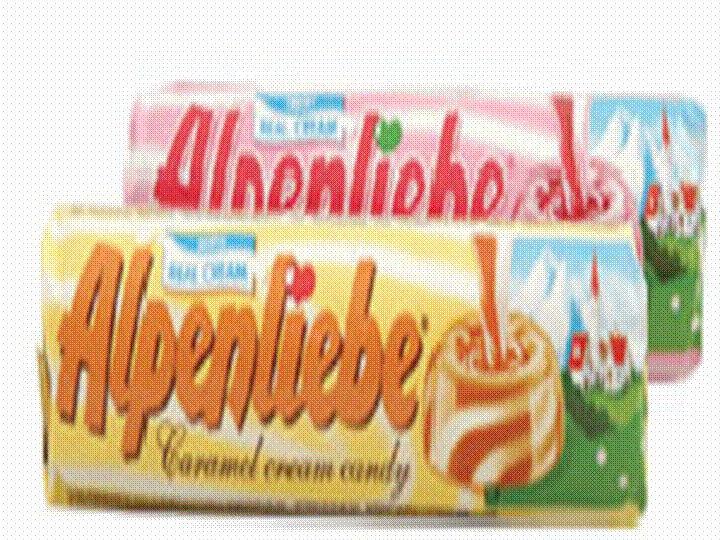
Alpenliebe : From the Alps

Brand : Alpenliebe
Company: Perfetti Vanmelle
Agency: McCann Erickson
Brand Count : 108

In the 1200 crore sugar confectionery market, Alpenliebe is the single largest brand in India estimated to be worth around 160 crore. The brand is positioned as a family candy and has been one of the most successful brand in a highly competitive market.

The brand came to India with the entry of the global giant Perfetti in India in 1994. Van Melle came to India in 2001. In 2001 the Italian and Dutch companies merged together to become Perfetti Vanmelle ( PVM).Now the Indian venture is the second largest of their global portfolio next to China.

In the products of PVM, Alpenliebe is the star. With effective and aggressive brand building , this brand has grown to become the single largest brand in the segment. The brand is a unique case study because of its peculiarities ie the name and the size.

Alpenliebe is a very complicated name. I searched for half a day to understand what it means. Their website does not have the answer nor do other marketing sites.
Then a friend of mine suggested that it is related to mountain Alps. Taking half hour on the translate.google.com , I found Liebe means Love. So by all probability Alpenliebe means From Alps with Love ( its my guess, inputs are welcome).

So it is a Herculean task to teach Indians ( with 24 languages and a million dialects) pronounce a brand name that does not have a meaning. Theory says that the brand name should be simple, reflect the brand values and easily pronounced. Alpenliebe broke all rules.
It is said that the initial 30 second ad of Alpenliebe pronounced the name 5 times to ensure that the TG pronounce it correctly. Why such a complicated brand name is another question all together. But this risk paid of in that the name became the biggest differentiator and reflected an International image. It is known fact that Indians are crazy about foreign brands and Alpenliebe capitalised on that.

The shape was also unique because most of the candies at that time was rectangular or cylindrical but Alpenliebe came out with a round shape.
More than the shape and the name , the product was really good .The company changed the taste of this brand to suit the Indian Palette making it more Caramelliar ( my usage) than the international one.
The brand is available in three flavours: milky caramel, Cream strawberry, Chocolate. A lollipop extention was launched last year.
Perfetti knows the method to build the brand. It is not hesitant in spending lot of money on Alpenliebe through high decibel interesting ads. The brand is positioned as a Family Candy with kids and elders sharing the limelite. The ad where the boy imitates the "father at Home and Office" is a hilarious one.
The market for Candies is expected to degrow in coming years. We have to see how Alpenliebe copes with this.

Alpenliebe is a classic case of marketers defying the theory and also highlights a simple truth " If You have money to spend, you can make a consumer sing in your language without understanding a bit of it . " anything is possible"
Source: Businessline, Agencyfaqs, Strategic Marketing

Monday, July 31, 2006

Parryware Glamourooms: Not Just Bathrooms

Brand : Glamourooms
Company: Parryware Glamourooms
Agency: JWT
Brand Count : 107

Parryware Glamourooms is India's superbrand in the sanitary ware market. This is a brand that redefined the way Indians viewed Bathrooms. A pioneer in branding and an expert in understanding changing trends, Parryware is a brand worth studying.

The Indian Sanitaryware market is estimated to be around 750 crore and in that market the branded wares is estimated to be worth around 360 crores. Parryware have a market share of around 42% (value share).

Parryware is a part of the EID Parrys of Murugappa group . In 2005-06 the company was hived off as a separate entity " Parryware Glamourooms". In 2006 ROCA of Spain took a 50% stake in the company and is set to roll out its international brands in the Indian market.

Parryware endeavored into serious branding this sanitary wares as early as 1983. In 1985 it introduced the Peacock shaped closets branded as Cascade which focused on saving water. Te product was highly successful and became almost generic to the category. In 1990 Parryware added a new word to Indian branding history " Glamourooms".

The launch created a huge wave of excitement in the otherwise a dull product. The purchase of sanitary wares was never a high involvement purchase. Seldom customers used to bother about the brands nor was willing to spent money on the bathrooms.
But Parryware changed all that. It said to the Indian consumers " No more bathrooms only glamourooms". This caused a spurt in the demand for aesthetic bathrooms.

The launch was perfectly timed. Earlier I remember that old houses seldom had Attached bathrooms. Then slowly came the concept of Bedrooms with attached bathrooms. Then came the focus on looking at bathroom more aesthetically as you look at any other rooms.
Parryware was a pioneer not only in branding this market but also an innovator par excellence.
Parryware is credited with innovating the concept of " Stainzfree" bathrooms, Introduce easy to clean surfaces, antimicrobial seat covers, touchfree electronic urinals and bathroom for Physically challenged people. These innovations coupled with some smart campaigns made this brand a market leader.
Parryware is also credited with being the first customer centric Sanitaryware company. It has the first B2C website for customers, customer care centres for helping the customers and for servicing. Parryware also changed the retail format for selling sanitarywares by creating shopping experience for customers through " Experience centres " which are retail outlets which are carefully designed to give customer an experience of the look of their bathrooms with Parryware.
The brand also keep track of the changing minds of the Indian consumer. There is a marked shift in the preference of Indian consumers from Wet bathrooms to a Dry one and Parryware is
ready for that also. With a strategic partner in ROCA, Glamourooms will be concentrating on the luxury and medium segment while ROCA will be concentrating on the Super luxury segment bringing in the International range to Indian market.
In 2005 the brand also ventured into the Rs 1200 Tap market aiming to become a Total Bathroom Solutions provider. The brand is made on the core values of Water conservation, hygiene and Technology.According to a report in Businessline , the customers have given a high rating for this brand on the values such as Relevance, Uniqueness and Reliability
Although the brand pioneered the concept of " Glamourooms" it found that the concept was copied by other players. Hence the brand changed its tagline to " Add Glamour To Your Life".
Then again the brand began to give importance to hygiene and changed its line to " Sparkling Clean Glamourooms ". Now the base line is somewhere between " Everything else can wait" and " Surrender To Temptation".
The shift in the positioning was not warranted ( in my opinion). From 2000 the brand is known for its Glamourooms but sadly their website no longer talks about this very own concept that made the brand. It is confusing whether it is the consumer who was bored by the positioning or is it the agency or is it the client? If its not the consumer , then why change it....
The brand is well poised to tap the future sanitary market in India, but the frequent changes in the positioning will dilute the foundation on which the brand has built its equity
Source : Businessline, superbrands.org, magindia, agencyfaqs , parryware website

Saturday, July 29, 2006

Citizen Watches : Beyond Precision

Brand : Citizen
Company: Citizen
Agency: Hakuhudo Percept
Brand Count : 106
The brand came to India initially with a collaboration with HMT in the late 1960's. Later the brand re- entered India in 1998 as a joint venture between the Japanese Watch maker Citizen and Doshi Time Industries. In mid 2003 Citizen hiked its stake to more than 95%.

During the initial years Citizen failed to understand the Indian consumer correctly. It misread the price-value perception of the ever value- conscious Indian consumer. The watches during the initial years were in the price range of 1600-2500 and 6000-20,000. The company thought that with the brand name, it could sell the watches at any price. That was a huge mistake and the product bombed in the market. The reason was that the discerned Indian consumer show no value in those watches although they were impressed with the brand name. This created lot of issues for the company. In a panic move, in 2000 the company went for a major price cut and that further eroded the brand equity of Citizen.

The Indian watch market is about 30mn units and in that the branded watch market is estimated to be around 12mn units. Most of the action is happening in the mid price category.
Citizen is now trying hard to regain the lost brand equity. The product that they chose to be the white knight was the " Eco Drive". Eco Drive had the technology of producing its own power from light. Hence it does not need a battery. Citizen effectively used this technology to position the brand as a high-tech one . Although the " No need for a battery" is not a highly preferred attribute to a consumer, Citizen used this feature to differentiate itself from the rest.
EcoDrive was positioned as the ultimate tech-watch and was smartly premium priced. Although the " No Battery" was the key differentiator, the product was very well styled and the promotion was effective in projecting the premiumness of the brand.
With EcoDrive, Citizen was able to recapture its brand equity to certain extent. Still the pricing of the watch makes it unreachable to the middle class.
With the regaining of the equity, the brand went into an overdrive with a slew of new product launches. In 2005, the brand roped in Kareena to endorse the ladies range of watches. Citizen believes strongly that Celeb Endorsement works wonders for the brand. Hence following the positive response to Kareena endorsement, in 2006 Citizen roped in Rahul Dravid to endorse its men's range of watches.
With the smart advertising and differentiation , Citizen survived a near death in the Indian market. In this new avatar, the brand with a market share of 15% is going great guns. But it is worth noting that Indian consumers still have to stretch a little too much to own a Citizen.
With the International brands scaling up their plans in India, Citizen may again have to relook on their value proposition.

Wednesday, July 26, 2006

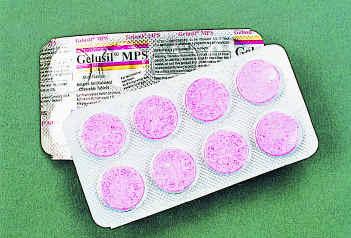
Gelusil : Ye kam kare to aap kam kare

Brand: Gelusil
Company: Pfizer
Agency: Contract
Brand Count:105
Gelusil is one of the major brands in the 220 crore antacid market in India . A brand once owned by Parke-Davis came into Pfizers hand when the two companies merged. Gelusil was promoted through ethical route where the drugs are to be sold only through prescription. This 30 year old brand had a strong support from the medical community and is worth Rs 20 crore.

In 1999 Gelusil became the first antacid brand to shift from ethical route to OTC. It was a risky move since there was a chance of alienating the medical practitioners and also doubts about the ad spent that is needed to promote such a mass market product.
The antacid market in India is crowded with lot of products fighting for their share of the pie. The market leader is Digene from Abbot Pharma with a market share of 35% followed by Eno from GSK with 24% , Gelusil with 21% and Pudin Hara with 14%. Digene is still sold through the ethical route and are available only at the Chemists. Eno and Pudin Hara are available in all shops since they are ayurvedic products.
Globally antacids are sold as OTC products. The market is expected to grow faster in India because of the " changed" lifestyle of less exercise and more junk foods. Right now in the OTC segment, growth is now taken more by the ayurvedic products rather than products like Gelusil because of the association of " no side effects" with ayurvedic products.
Gelusil faced a setback in 2004 when Pfizer had to recall its liquid form because of odour problem. Gelusil have some issues with its taste as it may not be liked by some of the customers ( including me). For that matter all antacids tastes bad. Since this product is now sold through OTC, the share of mind and share of voice is crucial for maintaining and building market share. The creatives of Gelusil were critically acclaimed with one ad winning at the ABBY's.
With a huge potential for antacids in the future, Gelusil has to get more aggressive to leap from the solid foundation it had created .
Source: Businessline, agencyfaqs, magindia, companywebsite.

Monday, July 24, 2006

Gatorade: Tested In The Lab, Proven On The Field

Brand: Gatorade
Company: Pepsi
Brand Count : 104

Gatorade, the $ 3bn Iconic brand is in India.Launched in 2004 , the brand is keeping a low profile in the Indian market. This global brand is dominating the world's sports drink market for more than 35 years.

The brand came in to existence as a result of a research by the University of Florida. The researchers was trying for a drink to help their football team called the Florida Gators to beat the dehydration. That year the Gators became champions because of this drink.

Gatorade came into Pepsi fold when Pepsi acquired Quaker Oats. This brand have a market share of over 70% in the US market.
The brand had a soft launch in India. One factor is that the market for sports drink is in its nascent stage in our country. While in US and the west, Sports coexist with the studies while in our country it is mutually exclusive.
But reports suggest that Gatorade have users from across ages and is not confined to athletes. With increasing popularity of health and fitness activities, there is a growing market for such drinks. Gatorade is not a product for the mass market since it is a functional benefit led drink catering to a niche ( but a growing niche). The drink is being promoted by a " special sweat team" from Pepsi who will be meeting potential clients at the various " Points of Sweat" like gyms, sports centers etc.

Pepsi has roped in Kaif and Pathan to endorse the brand. Priced reasonably at Rs 45 for 500 ml, this is a brand to watch for.

Friday, July 21, 2006

Skoda: Obsessed With Quality

Brand : Skoda
Company: Skoda Auto
Agency: IB&W
Brand Count : 103
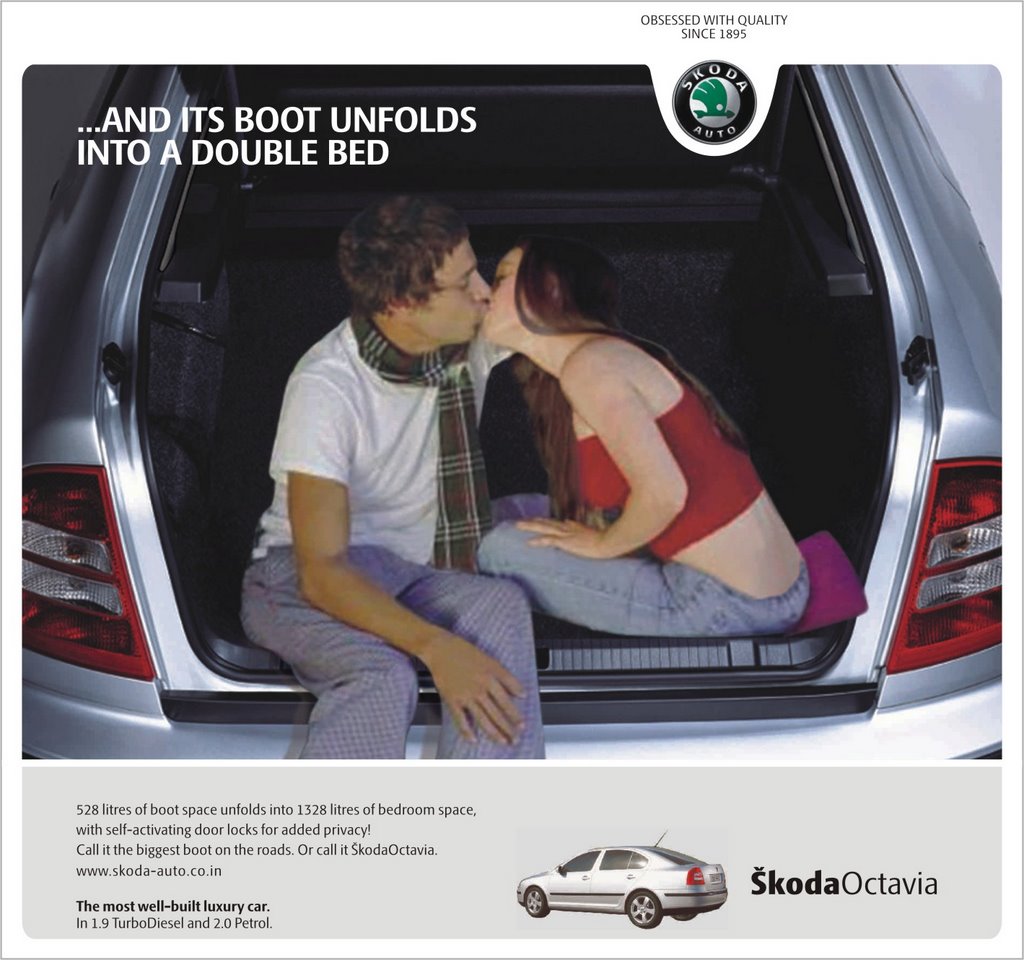
Skoda came to India and conquered. The brand now holds around 25% of the luxury car market in India. That too without much advertising. This is a classic case of Slow Skimming in marketing theory. The brand also proves that good products sells itself.

Skoda came to India in 2001. A Czech brand owned by Volkswagen, the launch of Skoda was a low profile one. It would not be an exaggeration to say that no body knew about this brand being launched in India. The only source was the news items and the auto reviews.

Soon, people seem to be noticing a beautiful sturdy car that bear a logo that was not seen before. The brand slowly began gain popularity and that too through word of mouth. The brand is known for its ruggedness and high value and quality. No wonder Indian consumers took this brand to their hearts. The first brand from the Skoda stable was Octavia in the C-class category. In 2004, Skoda launched its flagship brand Superb which is a luxury sedan that is to compete with Mercedes Benz.
The company baseline say about their "obsession with quality" and Skoda customers will vouch for that. Built with care, this car is known for its comfort and surprisingly " Mileage". This has greatly boosted the popularity of this brand since the value for money proposition was too good to resist.
The company follows it strategy of being Measured, steady and Understated. And time has proved that this equation has worked in India. The brand tried to create some noise by advertising but the brand is selling for itself. One of the ad was intended to create some controversy but it did not. However with or without these campaigns, the brand was bought by the TG.
When the Skoda says that " We make cars that last for ever" , I believe that they really mean it.

Saturday, July 15, 2006

Dove : The Mildest One

Brand : Dove
Company: HLL
Agency: O&M
Brand Count: 102
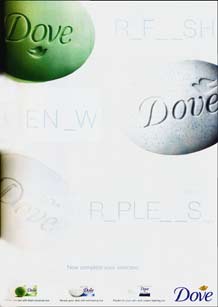
Dove is a $2 bn brand waiting to spread its wings in the Indian Premium soap market. Dove was globally launched in 1957. This brand came to India in 1995. Internationally this brand has a cult status and is a major player in the global premium soap market.

The brand is positioned as the Mildest Soap. Dove is PH neutral and this makes the soap soft on all kind of skin types. Internationally this brand is positioned as a brand that celebrates the " Real Beauty" . Dove defines real beauty as " beauty is not about how you look but about how you feel". The Dove's official site " campaignforrealbeauty.com" highlights this brand value. I think this is one of the best brand values a beauty product can have.

In India, the brand did not had the success of its global counterpart. One reasons are the small " Premium " market and another is the price barrier. Dove's initial price was around Rs50 that put off even the premium customers.

The brand has undergone some repositioning in recent times. Earlier the brand was positioned on the platform of " Trial for Results" idea. Later it was changed to the moisturizing platform.
The brand is claiming that it is milder than the 25 leading soaps thus proving its legitimacy to being the mildest soap in the country. Globally also this brand is positioned not as a soap but a cream bar.

Although the "Campaign For Real Beauty" and the mildness are excellent selling points, the brand is still not able to catch the fancy of Indian beauties. With lot of sales promotions happening with the brand like 1+1 free , there is a possibility of brand value erosion.With the brand now priced at Rs 28, the price has somewhat become reasonable.
I feel that still the brand does not fit into the " value for money" proposition for the Indian consumer. It is a truth that Indian consumer looks for " Value " even in premium products. Dove have a negative point in that the soap usually does not last enough ( partly because of our bathroom habits). This have reduced the value proposition for this brand.
With the emergence of an attractive market in the premium cosmetic market in India, Dove have lot of potential to become a key player, it has got the positioning right, now it has to set the " Value" right for the Indian consumer.

Thursday, July 13, 2006

Taj Mahal Tea : Wah Taj

Brand : Brooke Bond Taj Mahal
Company: HLL
Agency: O&M
Brand Count : 101
TajMahal tea is the market leader in the 15,000,000 Kg Indian Premium leaf tea market. This 40 year old brand is constantly evolving to the changing times. The brand which is estimated to be worth Rs 200 crore, so far had a consistent promotional strategy which placed itself in the top league. But with the competition catching up in the form of Tata Tetley and the fear of young consumers moving away from the brand is causing a concern to the brand owners. The brand has already undergone 4 makeovers.

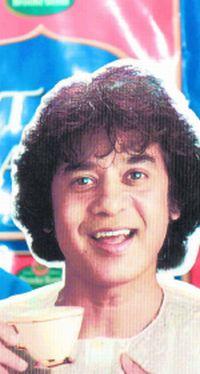
This July saw the relaunch of Taj with a new baseline and world class packaging. The new makeover comes after a change in the communication strategy in 2002-03 . Tajmahal tea was positioned by HLL as the best tea. This " hazaron me ek" tea was promoted using the baseline " Wah Taj " and endorsed by the tabla maestro Ustad Zakeer Hussain.
The brand was consistent in using the same promotional strategy and the baseline. But in 2003 the much popular baseline was changed to " Sabse Khas Taj Ehsas" from the famous and simple " Wah Taj". 2006 saw the brand going back to the same famous positioning " Wah Wah Taj" with an additional "Wah".
HLL is cautious about the brand because Tata Tea has serious plans to capture a major chunk of the premium tea market. Taj cannot rest in its laurels. The problem with highly successful brands are that over a time , the brand fails to understand the changing demographics of the customer. So after some years, the brand will surprisingly find itself redundant. It happened with old favorites like Chetak and Iodex. HLL is careful that it does not happen to Taj.
The brand still uses the same brand ambassador and is concentrating more on North India (I suppose because it is long time since I saw an ad of Taj while the Tata Tea brand ' Kannan Devan" is having higher "share of voice " in South India esp. Kerala. )
I feel that Taj Mahal tea need some more " share of voice". Some times I feel that if Bachchan says "Wah Taj" it creates more impact at this point of time, although Big B endorses anything from underwear to paints.
This brand is with India's best marketing minds :the HLL, they know better isn't it?
Wah Taj..

Friday, July 07, 2006

Monte Carlo : The Way You Make Me Feel

Brand : Monte Carlo
Company: Oswal woolen Mills
Agency: JWT
Brand Count : 100

MonteCarlo is a premium knit wear brand in India. Launched in 1984, this brand is dominating the Mass + Class segment winter cloth market. Oswal has around 50% market share in this segment. With the booming retail sector driving the growth of Readymade clothing in India (estimated to be to the tune of Rs40 bn) no one can resist extending their brand to readymades. That is exactly what MonteCarlo is doing now.
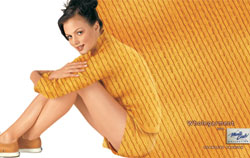
MonteCarlo ( which is a super brand) has similarity with Color Plus (discussed in previous blog) in that it created a market for itself in a category that was dominated by lesser known brands. Monte Carlo was careful in brand building and the ads were catchy and theme oriented. Since I am in South India where there is little market for woolen clothes, still the ads shown in national channels used to excite me. The ads were full of "feel good" factors with great models and excellent imagery. All the ads had Romance and two people discovering a relationship. The print ads were like that of " ColorPlus" gave a premium touch to the brand. It is said that most of the earlier models of this brand are now superstars including Mallika Sherawat, Arjun Rampal to name a few. Monte Carlo is promoted with the baseline " The Way You Make Me Feel". The catchy point of the TVC s is the music which always set the tone for the message. The brand
is still communicated along the same themes since two decades.
The company spent lot of effort in making sure that the premiumness is not lost in campaigns. This is going to pay rich dividend when the brand is getting into the competitive world of every day wear.
The brand was extended to T shirts in 1999 with the brand Summerz. In 2001, the brand forayed into everday wear market under the sub brands Wonderhugs and Trouserz and introduced ladies wear in 2003. This year saw the national launch of cotton wears from Monte Carlo. The company was carefully ramping up the distribution and retail strategies to ensure that this brand succeed. The price range of readymades is in line with the premium brands like Van Heusan and Louis Philippe. So Monte Carlo can expect some serious competition.
With the kind of success this brand had in the winter wear market, it is reasonable to believe that Monte Carlo has the potential to be a " Color Plus". Hope that the brand will be built along the same themes that made it successful.

Thursday, July 06, 2006

Eveready : Give Me Red

Brand : Eveready
Company: Eveready Industries Ltd
Agency: Rediffusion
Brand Count : 99

Eveready is a market leader in the 1500 crore drycell market in India. At present this brand holds around 47 % market share. Nippo follows with a market share of 28%. Eveready was one of the first brands in this segment. A flagship brand of BM Khaitan group, this brand is bracing for a marketing war against its competitors.The brand has a history dated as way back as 1934.
The brand is carefully nurtured by the company. Lots of money is being spent on brand building in a seemingly low involvement product category.
During the early ninties the brand created ripples in the market by its " Give me Red" campaign. The campaign changed the way batteries are perceived and the campaign was a hit among the target audience. The ad highlighted the color "Red" and for the next 16 years " red" was the central point in the brand campaign. The Give me Red campaign gave an instant recognition for the brand among the TG which was young 15-25. The rationale was the popularity of walkmans and portable music players which created a new market for batteries.
Buoyed by the success of the campaign and wanting to create more punch to the brand, Eveready roped in Amitabh Bachchan to endorse the brand. It was a costly affair and from then on the " Give Me Red" campaign got diluted. BigB and the campaign did not gel together. While the campaign was aimed at younger crowd, B was a misfit. Again should you need a celebrity to endorse a battery is another question altogether.( company says that Big B campaign raised the market share from 41% to 47% since 2003).
Now another campaign was kicked off by Eveready changing the positioning of the brand. While " Give me red" positioned the brand as an energetic and sturdy brand, the new campaign aims to look at more features rather than image. The new positioning strategy is to highlight the EMD( Electromagnesium) factor which will make the battery last more and give a good 15% more performance than its competitors.
The current campaign is full of hyperbole with Amitabh again as a shopkeeper. The ad seems like a parody of the successful Cadbury's " Pappu Pass Ho gaya" campaign (which had some novelty around it). The Eveready campaign yet again failed to utilize the charisma of Amitabh. The product may sell more because of the features not the campaign.
The company also changed its base line to " Kutch to hai Extra" from the highly successful " give me red". The only reason can be that the company officials and ad agency is bored by the baseline not because the customer has rejected the baseline. "Kutch to hai Extra " is actually diluting the intended positioning on the features. The new baseline have striking resemblance with Maggi Ketchup's baseline " Its different" where there is no difference as such. Kutch to hai extra loses significance because the ad is a hyperbole with no tangible benefits shown. So there is a risk that customer will not believe that there is some thing extra in Eveready.
All said and done, Eveready is having a major say in the market with its established brand and virtually no serious competition. But with the disruptive innovations like iPod and Mp3 players that do not need conventional batteries, Eveready should be alert to the changing market dynamics and a possibility of disruption. Already signs are their in the form of Mobile phones used as a walkman where the battery used is not the conventional one.
For now its " Give Me Red"

Tuesday, July 04, 2006

Nutan Stove :Brand with a difference

Brand : Nutan
Company: Indian Oil Corporation
Brand Count : 98

Nutan is a major brand in the Kerosene stove market in India. Nutan was a part of an energy revolution in India. The brand was launched in 1977. Developed by CSIR with funding and marketing support for IOC, this brand was a rage in Indian households during the 70's.

Now also the older generation will vouch for this brand. During the 70's the stove market was dominated by inefficient wick stoves which wasted fuel in soot or smoke. Nutan, developed by CSIR was a sootless stove that saved more than 20% fuel, less smoke producing and more efficient. It soon became the darling of households.

The production of Nutan was outsourced with IOC looking at the marketing of this brand as a part of their Corporate Social Responsibility initiatives. Since the product is made as per ISI standards and the quality pegged high, the price is put at a premium over the other brands .

Nutan is in the midst of another revolution. 1990's saw the rise of LPG as the better fuel for households. Indian middleclass shifted to Gas stoves in no time. Further LPG eliminated many negatives that Kerosene stoves had especially on ease of use. With the rising kerosene prices and availability of low priced stoves has now impacted the sale of Nutan stoves ( it is a guess, I don't have market share figures).

I am not sure whether Nutan has a LPG stove, but this brand is slowly vanishing from Indian middle class consumer's mind. It is sad to see an ubiquitous brand slowly losing its relevance. My view is that Nutan had huge potential in the LPG stove market which is valued at Rs 9 Billion is dominated by like Butterfly and a host of unbranded players, it was an opportunity missed by Nutan.

Since Nutan is not a serious brand for IOC, may be no one was thinking about this brand.

If that brand was with a marketer, it would have realized its full potential.... Any one listening?

Monday, July 03, 2006

Tata Ace : Small is Big

Brand : Ace
Company: Tata Motors
Brand Count : 97

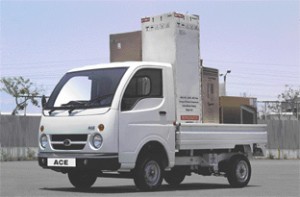
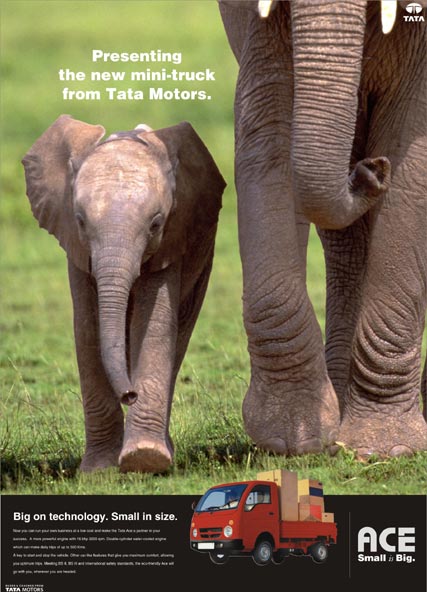
TATA Ace is the classic case of marketing success in India. What ever factors that Kotler have spoken about to successfully launch a new product, it is there in this product. Ace is Tata's answer to the marketing myopia of three wheelers.
Ace is a .75 ton truck in the commercial vehicle segment which is dominated by large trucks. It can be called India's first mini truck . Launched in May 2005, Ace has become a blockbuster and is expected to create a huge dent in the three wheeler goods carrier market.

Till the launch of Ace, the sub one ton loads were transported by the three wheeler goods carriers. Although the quality and performance of these three wheelers are less than desirable there was still huge demand for these vehicles. It is this market that Ace is trying to capture. It is the transportation at the " last mile" market that Ace has captured.
Ace had all the qualities of a winner. It is cute, the engine is good interms of mileage and performance, the comfort factor is very much there and more over it is a Truck and not an Auto. Priced competitively at 2.25 lakh to 2.40 lakh, Ace is a value proposition that no one can refuse.The brand was launched at a point where there was a need for transportation of good speedily and conveniently and in a cost effective manner.
The target segment are those who want to upgrade from these three wheelers. The brand Ace has its own limitations. Hence Tata was careful not to overhype the product so that it will "under promise " and " over deliver".
Although the product took around Rs180 crores to develop, the brand is giving rich returns for Tata Motors. The company is working overtime to deliver the orders and is looking for expansion of production of Ace. Even Ace is looking at overseas and is exporting to Srilanka and Bangladesh.
The success of Ace has opened up a new category in the commercial vehicle market. It is reported that Ace had already captured 65% of the small commercial vehicle segment and is expected to contribute an additional turnover of Rs 2500 crore.It is again a sign that Tata Motors have identified the DNA for marketing success in Indian market.
Tata Ace : Small is really BIG......

Friday, June 30, 2006

Tea Board of India : Absolute Crap campaign

Brand : Tea
Company : Tea Board of India
Agency: O&M
Brand Count : 96


If you want to see how government money can be wasted, look no further, it is there in your idiot box in the form of the Tea Board of India's campaign to increase the popularity of tea. The domestic consumption of tea is largest in India to the tune of 700 mn Kg. But the Board feels that there is still immense potential left for this commodity. Another problem anticipated by the board is that the younger generation is moving away from this drink to carbonated drinks. More importantly Coffee is considered " Cool" by the next gen , thanks to marketing efforts by Branded Coffee outlets like Barista, Coffee Beans etc.
So Tea Board wants to replicate the success of campaigns like Operation Flood and National Egg Coordination committee. The budget was fixed and the task entrusted to the most creative agency in the country ( rather world) , O&M.
The Outcome was a damn Squibb. The directionless campaign is a sheer waste of money and in any angle you look at it, the campaign will be given the award of the " Hopeless campaign of the year".
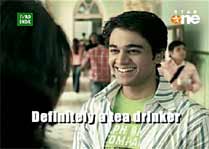
The idea behind the campaign is to promote the image of tea drinkers as being " Cool " to appeal to the younger generation. So the ad " dreadfully" tries to compare tea drinkers and " definitely not a tea drinker" and exhorts that tea drinkers are " cool". The baseline of the campaign says " Chai Piyo, mast Jiyo" has no connection with the message of the ad.
The apathy of O&M in executing the idea is evident may be because they feel that anything goes for a " Government board". But the agency has virtually damaged its reputation ( atleast in my mind) as a " serious creative agency". A demanding client will squeeze the creativity out of any damn agency, but it takes a "serious creative agency" to deliver creative output even for a small client.

Wednesday, June 28, 2006

WorldSpace : Unlimited Music

Brand : WorldSpace
Company: Worldspace India Ltd
Agency: Enterprise Nexus
Brand Count : 95
WorldSpace is a pioneer in the satellite radio business.
Worldspace was launched in India 5 years back is now getting their act together. This brand is all set to revolutionize the way Indians listen to music ( provided they make the right moves).

During the initial launch phase Worldspace faced lot of problems with regard to all the 4 P's of marketing. Since it was an entirely new product, the customers had to be educated about it and it is never easy. The fact that Indians was new to the concept of Paying subscription for a radio service made it more difficult for this brand to make headway.

With regard to the pricing also WorldSpace was launched with exorbitant price both for its receiver and the subscription which putoff the "value conscious" Indian consumer. Reports also say that initially the company faced problems in sourcing receivers for Indian market. All these factors virtually killed the future if this brand.

Last year saw the relaunch of WorldSpace . The brand was relaunched with aggressive marketing using TV Print and outdoor campaigns. The company rightfully reduced the entry price barrier by bringing in receivers that costs less than Rs.1500 . The subscription rates was also rationalized. This created a huge wave of interest in the Indian market. With 35 channels that offered unmatched range of entertainment with an affordable price tag was an offer that was too good to resist.

The first set of consumers who took the product was the retail shops. Worldspace offered an alternative to the conventional CD players. Now even a small retail shop can afford to have channel music without bothering about CD's.

Although the retail Shops have embraced this brand, it is still a tough call for Worldspace to enter into households. Although the ads have generated lot of interest among the music lovers, the subscription rate ( although it is reasonable) is playing spoilsports. This calls for much more than Non Personal promotions. It will be better if WorldSpace also look at meeting consumers directly and convince them about this beautiful service.I feel that since this product is new to Indian consumer, it needs some personal selling efforts. Once the brand breaks into the Indian households, the brand can sit back and relax.
This is a brand which has great potential and is going to create ripples in Indian entertainment industry.

Friday, June 23, 2006

MotoPEBL: Inspired by Nature

Brand : MotoPEBL
Company: Motorola
Agency: O&M


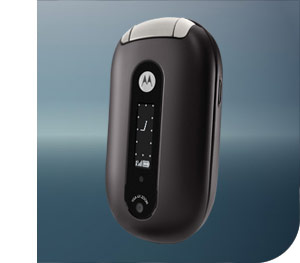
MotoPebl is the new range of handsets from Motorola.

Although Motorola has been there in India for a while , it had not been able to break into the Nokia fortress so far. Nokia is commanding a staggering 78% market share while Motorola is having 4.6 %.Never the less Indian market is growing leaps and bounds.

MotoPebl was launched in April 2006 after the success of MotoRZR and MotoSLVr is set to shake up the Indian market. Moto Pebl is a pathbreaking move by Motorola in many respect. With regard to the product characteristics, promotion and pricing, Motopebl is showing us that Motorola has finally discovered the marketing manthra to succeed in Indian market.

This brand is different from the other Motorola brands in the sense that MotoPebl focuses more on design and aesthetics rather than technology. Motopebl is inspired by nature. The promotion is also a significant shift from the earlier promotions. Motorola is perceived to be a technology company. Most of the ads were busy talking about the features of the product. I remember seeing double spread ads talking about the technology that was a immediate putoff for a non tech geek.

Motopebl talks to the right side of the brain. The ads are simple and so sharp that it provokes the TG to try out the product, that is the success of the campaign. The ads are so short and sharp that it is going to save Motorola lot of money. In the pricing also Motopebl is different because it is priced reasonably at 10990.

MotoPebl by all means have the potential to be a best seller. Nokia better watch out..

Thursday, June 15, 2006

Hyundai Getz: Get the positioning right

Brand : Getz
Company: Hyundai
Agency: Innocean

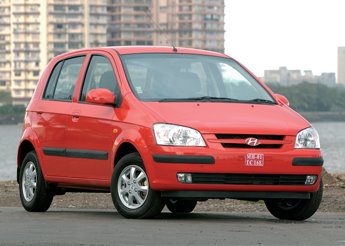
Getz is India's first super mini. Super mini refers to premium hatchback cars which is popular in European countries. These are compact cars which have all the goodies of a luxury sedan.In the highly competitive Indian car market, Getz is an experiment . Hyundai have the guts to take risks. With the success of Santro: India's first tall boy car ,the excellent brand building and successful makeover of Santro gave Hyundai great confidence about its marketing ability.
Getz is positioned as a premium compact car and is priced between Santro/Zen and the sedans like Ikon and Accent. Although it is not in direct competition with sedans, Getz is trying to create a market for itself. The reason why Getz cannot compete with sedans is the typical mindset of Indian consumer who always put Sedans at a higher level (in terms of status) to hatchbacks.
This market is expected to increase in size because of higher traffic and difficulty in getting parking spaces. With the launch of Maruti Swift, this segment is witnessing heavy competition.
Auto reviews suggest that Getz is even superior to many sedans in terms of drive quality and the goodies. But with its pricing, the brand has restricted itself in to a niche player. The price of 4.5 lakhs is going to put off many consumers who will go in for a sedan rather than settle for a "Small car". It will take lot of money for Hyundai to overcome the " Small car " obstacle. With The Tata Indigo and Fiesta offering a " Large" car at the same price, Getz will find it hard on getting volumes.
The brand was launched with some colorful advertising which appeared to be less focused. The initial focus was on fun. Then came the lousy promo involving Sania Mirza endorsing the brand. Hyundai fail to remember that no one is going to buy and expensive car because Sania is driving it.
The recent campaign of Getz talking about its USP of " More Space" was an ideal example of " Poor Execution" of a good concept. The odd looking family members using the hands to send the message that they need more space is not only irritating but creates a bad impression on the owners. Those who travel in crowded trains will notice how bad we feel when someone deliberately push others to make more space for themselves.
Since Getz is a premium car, Hyundai could have created better pictures in the mind of the TG about the product, use better imagery and messages just as what Toyota is doing for Innova.

Thursday, June 08, 2006

Yardley : Immense Potential Wasted !

Brand : Yardley
Company: Lornmead

This 235 year old cosmetics brand from England is yet to take off in India(after crashlanding) despite its long life here. The iconic brand was a hit in 1950's among the elite Indians but some how missed the liberalisation bus.

The brand which has a rich heritage was marketed by P&G and since they did not have any interest in the cosmetic market sidelined this brand. The brand was relegated to Talcum Powders and with no promotions and poor pricing has dampened the equity of this brand.

Yardley is now owned by Lornmead which is under the Jatania group : one of the richest Indian family in UK. If reports are to be believed, they have big plans for India and Yardley may fit into their strategies.

Yardley has been positioned as the quintessential English brand with its conservative look and royal touch. Although the brand was appealing to the TG in early nineties, the newer generation has not been kind to this brand ( or this brand is not existing to gennext). The cosmetic market is dominated by the likes of Revlon and Lakme, calls for a major rebranding exercise for this brand.

A look at their website revealed a whole range of luxurious perfume and cosmetic range which was sadly not available in India. Yardley have the advantage of being perceived as a Unisex brand and thus can extend the brand to a larger audience. Since the perfumes market is still undeveloped, Yardley have a huge market waiting for it.

What the company needs to do is to get its marketing mix correct and make the brand contemporary. If it does it fast, the brand has the potential to make it big

Monday, June 05, 2006

Chlormint: Dobara Math Poochna

Brand : Chlormint
Company: Perfetti Vanmelle
Agency: Mccann Erikson

The indian confectionary market is estimated to be around 1200 crore and the mouth freshner market is estimated to be around 40 crore. The mint flavored confectionary market is around 175 crore.
The mint market is now witnessing lot of competition. The market is dominated by Nestle's Polo which commands around 80% share. The other players include the brand Chlorets from Warner Lambert and the brands in the gum category like Happy Dent.

Chlormint was launched in 1997 in its green candy version followed by the gum variant. In 2003 Perfetti introduced the ice candy version. The market for this type of candy are those who wants fresh breath and those who smoke. The age group of TG is 15- 34.
Since confectionaries are impulse purchases and brand loyalty at the lower side, it is a big challenge for the marketers to keep the brand at the top the mind of the consumers. Perfetti knows the secret and Chlormint shows how to keep the brand interesting.
The ads of Chlormint asks the consumers the same question which any marketer asks themselves " Log Chlormint kyun Khathe hain?" . The answer, the ads say, is that it contains Herbasol which provides fresh breath. It may seem intially that the brand is trying to differentiate itself on the basis of its ingredient " Herbasol". But in reality the brand is just trying to say that its different and everyone knows it.
As with most of the brands, the ad agency thinks that the core market for these products is North India, hence the ads are heavy with Hindi and if translated to South Indian Languages will kill its humor and purpose. So most of Chlormint ads fail to click with non hindi speaking consumers.
The ads are outright funny( for those who understands it ) and always brings up a smile . In that way the brand is successful in keeping the excitement on,. There are many versions of " Dobara Math Poochna " campaign and the latest " Puppy beta" series is the funniest. The brand is positioned worldwide with the baseline " get closer".

Sunday, May 21, 2006

India Post : Chitti Aayi Hai

Brand : India Post
Company: Government of India

India Post is the backbone of India’s communication structure. This juggernaut reaches the nook and corner of India . The system of carrying messages were said to exist even during the time of Allauddin Khilji in 1296. The first Post Office was established in 1766 by the East India Company . They opened the PO in Mumbai Chennai and Kolkatta. It was Mr Warren Hastings that made the postal service available to general public.

India Post is functioning under the Ministry of Communication. This huge organization haver around 1,50,000 offices and around 500,000 Post boxes. Till recently India Post was enjoying the Sole Supplier Status in this market. With the popularity if E-mail and the competition from courier companies, India Post is facing a crisis.We have long being taking this service for granted. But some point of time India Post have to change other wise it will collapse. India Post has been making loses continuously and is surviving on subsidy from Government.

With the private players taking up major share in the 1200 crore Courier market in India , India Post is left with the unprofitable business.

India Post has a huge advantage over the private players in the reach factor. No one can match the reach of post offices and our very own “ Post man”. Through these postmen, India Post reaches all over India. It is these Post Men who is going to save India Post.

To survive, India Post has to redefine its business. It is a paradox that even with this reach, India Post have not been able to convince the corporate players to give them business. The problem was with the service delivery. This public sector giant has not yet learned the art of marketing. To my knowledge there is no marketing people running around to capture business for this company. With the postmen taking a visit to each locality everyday, India Post has not used this reach to capture any business.

Let us look this business in another angle. Here is a company who knows each lane, each house and each corner of India have its staff visiting the houses and is more often welcomed by the households. If you are in charge of such a business, what will you do?
Would you like to sell some thing to these households? Yes India Post is selling financial services like Insurance and savings. Infact Postal bank is one of the largest savings bank in India with a whopping 120 Mn customers. But I haven’t come across a single person who tried to sell me a Savings account or a Kisan Vikas Patra or a recurring deposit. Yes I get mail from ICICI bank to invest in PO savings scheme through them!!!!!!


Just like the resurrection of Indian Railways by focusing on the profitable freight business, India Post has to wake up and leverage on the massive network they have created. It requires a cultural change in the organization. The cutthroat competition calls for cutthroat selling attitude. With the Postman reaching the houses everyday, India Post has to refocus their business strategy for mere delivery of letters to doing business with the households.

Saturday, May 20, 2006

Apache : Mean Machine or Teen Machine.

Brand : Apache
Company: TVS
Agency ; MCCann Erickson

TVS is a company with a resilient attitude. When Suzuki motors decided to severe ties with TVS, most of the market expert wrote off this company. But TVS came into the market with much more strength with their flagship brand Victor. Victor revived the company’s fortune and since its launch, Victor has maintained its position in the executive segment.

TVS was known for the lower priced bikes. When it had a joint venture with Suzuki, the best selling brands were its Max 100. TVS tried its hand in the performance category with its Shogun and Fiero but was not successful in cracking this segment.

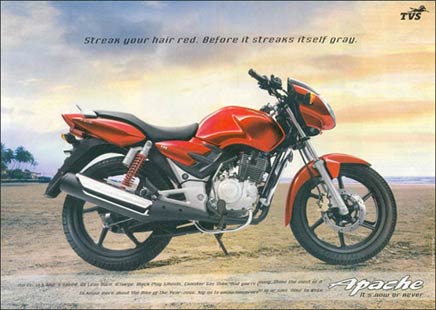
2006 saw the bold new initiative from TVS with the launch of Apache. Apache is in the premium performance segment in the market dominated by Bajaj Pulsar. With Apache , the company is trying to reposition itself as a new generation motorcycle manufacturer. TVS is trying to emulate the success of Bajaj with its Pulsar.

Apache has got rave reviews for its performance so far. Most of the auto mags are giving it a positive review proving that TVS have a winner in Apache. Apache is going to compete with the established Pulsar. The recent relaunch of Pulsar 180 Black was a preemptive move by Bajaj to counter the threat of Apache.

TVS Victor has proved the company’s capability in offering excellent value for money motorcycle. Although the subsequent launch of TVS Centra bombed, the company is trying to reinforce the position of Victor with its new variant and the new brand Ambassador : Mahendra Dhoni.

Apache is expected to give serious competition to Pulsar. Since the initial market noises show the acceptance of the brand and the lower price of Apache making it more attractive can either shake the position of Pulsar or will expand the market of premium segment bikes.

TVS has got the product right but how about the promotion. The latest TVC of Apache is a dampener and will erode its positioning as a premium performance bike. The brand is now promoted as the ultimate bike with the baseline “Its now or never”. I feel that Mccann have completely killed the positioning in its TVC. Pulsar was successful because it clearly differentiated itself as a mean machine with its “ Definitely Male” campaign. Although the TG are College students and young executives, the campaign essentially talked to the “Man ” inside. The latest campaign of Pulsar 180 DTSI also is trying to give that Macho appeal.
But the ad of Apache shows not Man but Teens. With some funny Hindi song (which the south Indians are not going to understand) and lot of visuals, which we have seen enough, and with kids riding the bike, the ad is sure to position this brand as a teen machine. The baseline “ Its now or never” also is not creating any impression in the mind of the customer. The ad try to talk about lot of things but if you ask me what this bike stands for (USP) I don’t know.
It is really " Now or Never" for TVS. It has a good product but will have to get its branding straight. There is bound to be initall hiccups but with a product like Apache, TVS can do what Hero Honda could not. For that it have to create a unique position of Apache in the customer's mind. Without a meaningful USP, Apache is not going to give Pulsar a serious competition.

Monday, May 15, 2006

Appy Fizz : Cool Drink To Hang Around

Brand : Appy Fizz
Company : Parle Agro
Agency: Grey World Wide


In the 7000 crore Indian Soft drinks industry dominated by the cola majors, Parle Agro is fighting for its share with its mango- drink Frooti and the apple drink Appy Fizz. I have talked about Frooti in one of my earlier blogs.

Appy was launched in 1986 as an apple drink in tetra pack after the mega success of Frooti. But Appy was not that successful compared to Frooti. This year we saw the new avatar of Appy in Appy Fizz. Appy changed in to nectar based drink in 1993.Appy was launched with a new bottle and communication this summer trying its luck in this large Indian market.

In the fruit based soft drinks, Apple drink is perhaps at the lowest in the hierarchy. The taste is less popular compared to the Orange, lemon, mango and pineapple flavors and in all these flavors there is cut throat competition among the cola majors. So Parle is trying hard to create a new segment with this drink.

As a customer, I was never attracted to apple drinks. The only branded apple drink I remember seeing is the Himachal Pradesh Apple drink counter at the railway station. May be the popularity of apple drink is low in South India because of the availability and price factor.

Since there is less popularity for this flavor, even after 20 years, Appy has not become a major brand in the SD market. That may be one of the reasons why Cola majors are not looking at this flavor.

Appy Fizz is now being relaunched as a “Cool Drink to Hang Around With”. With its champagne shaped bottle and smart advertising, Parle has succeeded in creating a Fizz in the segment, which is basically the Indian Youth. Going by the demand in the College canteen for this drink, Appy Fizz has been able to catch the fancy of the early adapters.

The ads created by Grey World Wide are cool and projects some thing unique about this drink that forced the TG to experience this product. The product itself is good hence there is a possibility of positive word of mouth.

But it has to be seen whether Appy Fizz can be a volume player competing with Orange and Mango flavors. It is difficult because Appy is a heavy drink compared to Fanta or Mirinda. The taste may be popular with only a segment of the market hence limiting the scope of this brand. I would prefer cola or other flavors to this drink when I feel thirsty but will take a sip of this drink once in a while for a change (my personal opinion). In my home I feel it is risky to serve this drink to the guests because you never know how many will like this taste.

These factors limit this brand to be a niche player but a profitable proposition if this brand is promoted seriously and positioned as a premium drink. Appy can ride on the health factor too in comparison with the other SD’s. Another advantage of this brand is the golden color of the drink, which makes it an ideal party drink as a welcome drink or a drink for those “tea totallers”.
The brand will succeed if it can win the palette of the TG and with the current promotions, customers will give it a try.