Friday, May 12, 2006

Bajaj RE : The End Of Days?

Brand : RE
Company: Bajaj Auto


Rickshaws were a part of Indian roads as early as 1880 and the rickshaw pullers of Calcutta are famous in the West as a symbol of Indian Poor. Rickshaw originated from Japanese words that meant Human Powered Vehicle. Later these rickshaws become powered by motors hence became autorickshaw. Bajaj is the pioneer in this market with a market share of almost 95%. Auto which is the short form of Autorickshaw started off with a front engine model with 'Dolby Digital ' sound effects with petrol smoke which comes free. In 1977 Bajaj launched the rear engine Auto which bought some decency to this class of vehicle.
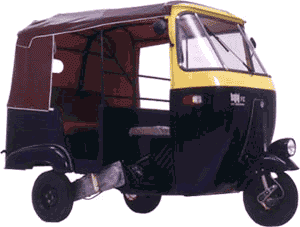
Autos are a source of income for lot of families.There are estimated to be around 24 lakh three wheelers in India. The three wheeler segment include both passenger and goods carrier and Bajaj enjoys a near monopoly in this segment. The other players are Mahindra , Piaggio Greaves. KAL etc.

As a marketer I feel that this segment is going to witness the same fate as the scooters and as usual Bajaj Auto, unless it wakes up, is going to be in the same situation as it was in the case of Scooter segment.

Let us look at the product first. Autos is a mode of public transport. The reason why it succeeded in India is
a. Cheaper than Taxi
b.Ideal for short distance travel
c. City maneuvering is easy
d.Comfortable than buses.

Over these years all these factors has turned against the Auto. With the rising fuel prices, the auto rates have increased and is now out of reach for the lower middle class.This vehicle was earlier fulfilling the needs of the lower and upper middleclass families of India.But with the upper middle class going for two wheeler and Maruthi, these autos now have no significance in their traveling plans. For the lower middle class, the new auto rates are now not affordable so there is a shift to two wheelers or buses. For example a one and a half kilometer trip in an auto will cost you nothing less than 15 Rs while a car will cost you around Rs.6
The pollution caused by autos have forced authorities to put stringent norms for this segment. The rash behaviour of the drivers also is repulsing the customers from this mode of transport. One has to answer many questions from the auto driver before taking you for the ride. This segment till now has not understood the ground realities.

The vehicle is pathetic with respect to comfort to passengers aswell as drivers. The customers are using this product just because there is no other alternative. It is a sort of De ja vu .. Till now Bajaj has done nothing to the product. No change in the shape , comfort, technology etc. Yes they have came out with diesel version, 4 stroke self start and CNG version but essentially the product is still the same.
The market size is estimated to be around 400000 units per year. Since this is a major source of income, government will not take a drastic step to kill the segment . But I foresee a disruptive change in this segment. Already some disruption is happening. The goods carrier three wheeler segment is witnessing competition from other players and the Tata motors have launched a Blockbuster product TATA ACE to take on the three wheeler goods carrier.

A similar disruptive product will easily kill Autos. Already there are rumours of Honds seriously looking into this segment. To escape the fate of Chetak , Bajaj has to once again think in terms of customer. The autos in order to succeed should deliver more value to the passenger and the owner. Better mileage, ridability, comfort for the passenger are a must to survive the next ten years. Drivers should be trained to be more customer friendly because with their Union strength it may be possible to get higher rates but not the customers.
With the public transport systems gearing up fo major changes with better buses, metro rails etc, customers have choices. Taxi's have sensed this and have changed. Now we have better and courteous taxi cabs and their business is growing.
Hey Auto : R U listening?

Wednesday, May 10, 2006

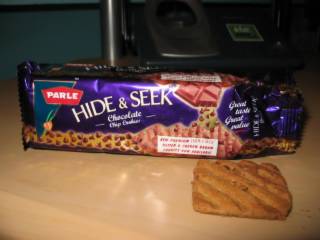
Hide&Seek: Building brand on bull shit again!

Brand : Hide & Seek
Company : Parle
Agency : O&M

I have no personal grudge against Parle but seeing how they waste their money in so called brand building is terrible. First it was Parle Digestive Marie now it is their Hide & Seek. Parle is so scared of ITC and Shahrukh endorsing sunfeast that they are pumping in money on celebrities ( not brands) desperately.

Hide & Seek is India's first and only chocolate Chip Cookie, Although the basic difference between a biscuit and cookie is that Cookies are considered to be more Sweet and chewy while biscuits are brittle.
Hide & Seek was launched in India in 1998. Although there were certain variants of Hide & Seek like orange flavour, only chocolate flavour survived. Later Parle tried with butter and cashew variant to fight Britannia Good Day brand but failed miserably. Now Parle is concentrating on Chocolate Hide & Seek.
Hide & Seek is positioned as a premium snack cookie. The cookie market is estimated to be around 500 crore in the 5000 crore biscuit market. The baseline for Hide & Seek is " Taste itna ki Dil Aa Jaye" meaning your heart will love the taste( I suppose, since I am a south indian, these hindi baseline are sometimes difficult to understand: are marketers listening?)
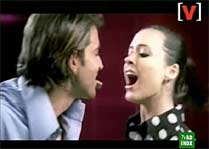
With ITC tasting success with Sunfeast and the dislodging of Parle from Premium market of biscuits, Parle is trying out the celebrity game. This time the agency O&M has roped in Hritik Roshan against the mighty SRK of Sunfeast. Playing the supporting role is Isha Shravani .
I watched the TVC of Hide & Seek with horror. I am not explaining the story board but believe me it is ridiculous. Like the Digestive Marie ad, this ad does not talk about the product but its Hrithik and his dancing skills, nothing more nothing less. Celebrity should endorse the brand and the brand should be the star.... but alas. Any one who have seen that ad for the first time will miss it for a cola ad. May be the Star discovering the taste Hide & Seek in a party makes more sense than this Dance hungama. It is hyperbole at its worst form.
Hide & Seek is a good product with certain premium touch to it. You have signed Hrithik which still have some brand value but this ad is nothing but a waste of money. The ads should have talked about the chocolate and the taste and surprisingly there are no kids around? May be parle is trying to target the adults then it is competing with Lays not sunfeast. Look at how Lays is using Saif and how it had understood the youth's psyche perfectly. But the current Hide & Seek campaign is uncool.
Once again " You cannot build a brand on bullshit".

Thursday, May 04, 2006

Reva : The ElectriCity Car

Brand : Reva
Company: Reva Electric Car Co. Ltd


Reva is India's first electric car. The car that can change the way Indians transport and the car which can solve the rising oil prices and the connected inflation problem is waiting for the government of open its eyes. Reva is the brain child of Chetan Maini who conceived this car while he was studying. The company was incorporated in 1995 and the first prototype was launched in 1996. Reva was officially launched in May 2001.

Reva is so far the worlds cheapest commercially produced electric car. This is a two door hatch back that can accomodate two adults and two children. The car uses electricity as the fuel and it can be charged with a 15 Amp socket. A full charge takes 9 hours and 9 units of electricity. The full charge can take you through 80 km making it one of the cheapest mode of transportation in our country.

But so far less than 1000 Reva is sold in our country. While the gas guzzling cars are sold like hot cakes and Indians cursing the oil price hikes, how come this car is selling less? The major problem lies in the price of the car which costs around 2.5 lakh for the standard non ac model. The price is a major deterrant for the potential buyer . The government so far has not given an aota of support for this venture. Had it offered some duty cuts to this car, it would have intensified the interest of auto majors to enter this segment thereby creating more efficient electric cars which will inturn reduce the oil import burden on our exchequer.

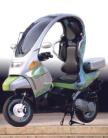
But nothing happened. The car is still expensive and suited to small drives . Without government support , this product will remain a niche player. But I feel that this product will have a great future if it can circumvent the price barrier by inventing a vehicle that is in between two and four wheelers ( not kidding), because Reva cannot compete with the Cars, so it have to create points of parity with the two wheelers and with the current price , it cannot target the mass users. So how about a three wheeler for office goers ? If you think I am crazy, check out the BMW c1
Reva have to think out of the box to be a revolution. But Reva is concentrating more on the premium segment with new models with gizmos that costs a fortune some thing similar to VW beetle . While government is acting blind, it is the middle class' pocket that is getting drained with the rising oil prices.

Sunday, April 30, 2006

Mentos : Dimag Ki Batti Jala De

Brand : Mentos
Company: Perfetti Van Melle
Agency : O&M


Perfetti Van Melle ,the $ 1.3 Billion confectionery giant launched its Indian Operation in1994 with one brand Centerfresh. From that one brand it has grown to command a 25% value share in Indian confectionery market with around 13 brand that include Alpenliebe Chlormint, Mentos, Big Babool, Coffitos , Marbles, Centershock Fruitella etc.

Mentos is its brand in the 1200 crore sugar confectionery market in India. The brand comes under the category of Chewy dragee. Dregee is a candy with smooth and relatively hard candy coating.

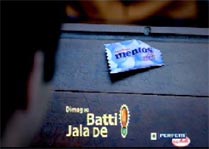
World wide Mentos is positioned on the freshness platform, the baseline being “The Freshmaker” .Here in India, initially the brand was launched in the freshness platform but later the brand has slightly extended the global positioning from Freshmaker to Smart thinking. The baseline “ Dimag ki Batti Jala De” has been an instant hit with the target audience.

The campaigns are humorous and simple and O&M has been able to move flexibily with this “smart thinking “ platform. Perfetti is known for its clutter breaking ideas and campaigns, the success of the horrible tasting Centershock is a proof of the marketing acumen of Perfetti. The campaigns of Chocotella and Chlormint has created a humour fashion in confectionery ads which resulted in a clutter of confectionery ads which claims to be humorous.

Perfetti has been very successful in launching this brand although market share figures for individual brands are not available. Besides spending enough money on brands, the company has also strengthened its distribution network. The brand has also been able to capture the 50 paise price point making it affordable. The target group is the youth with a cool attitude who considers themselves to be smart.Confectioneries comes under the low value, low involvement impulsive product in the convenient goods category. Here much one has to maintain the brand’s share of mind and share of voice since the purchase is impulsive. Although Mentos is a sugar confectionery, it is perceived to be in the mouth freshener candy category. With the smart advertisement, this brand has created a place for itself in this category.

Tuesday, April 25, 2006

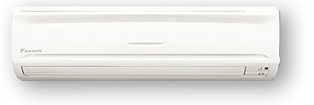
Daikin : Complete Silence

Brand : Daikin
Company: Daikin Shriram Ltd
Agency : Dentsu

Indian A/c Market is growing at a scorching pace and more and more international players are lining up to take their share of the pie. The Indian domestic A/c Market is estimated to be around Rs 3600 crore is dominated by Window A/c's. The market is dominated by LG with a market share of 30% followed by Voltas (16%) and Samsung (13%).

Daikin was launched in 2000 as a joint venture between the Japanese Major Daikin and Shriram group. Daikin was initially not concentrating on the home market. With the upwardly mobile Indian family started shopping heavily, Daikin was not able to resist the temptation of tapping this market.

In India A/C is always considered a luxury owing to the price and the cost of maintaining the machine. The entry barrier was removed by our home grown Voltas with the launch of India's first sub 10000 A/C. The product was a block buster and took away the price barrier from the mind of the Indian consumer. A/C became more affordable. But the popularity is restricted to upper class because of the electricity cost associated with A/C's.

Although Voltas changed the rules of the game, much of the action is taking place in the premium segment. It is interesting to see the positioning of the major players in the value added category

LG is positioned on the basis of its time tested health platform
Voltas on the basis of pricing.
O'General on Cooling (lousy ad)
Hitachi is positioned on the size ( Hitachi Atom range)
Samsung on Breathing safe
Blue star on Fresh Air
The new entrant Onida is focusing on the cooling power telling the customer that an A/C that does not cool at 45 degree is just a cooler ( smart positioning given the fact that Samsung have models that cool even at 54 degree).

Given that most of the players have taken on one feature or another, Daikin differentiate on the basis of the " Silence " factor. The A/C taking the feature of its "Silent working " as its USP. Launched with this USP, the brand is now extending the Silence to being Calm. The latest ad clearly shows this USP. The ads of Daikin stands out from the other A/C ads since it is devoid of any noise. These ads are critically acclaimed and gives the brand a premium touch. Daikin also boasts of "Variable Refrigerant Volume " technology which allows the A/C to be more flexible in its installation.
The positioning has to be relevant to the consumer so as to influence his purchasing decision. It has to be seen how much is the relevance of "Silence" feature in the purchasing decision of a functional product like A/C. In the hierarchy of importance in the case of features, Silence plays second fiddle to Cooling and Fresh Air. That may be the reason Daikin have changed the Postioning from Silence to a much more flexible "Calm" option.
Daikin have upped its share of voice in the Indian market, with smart campaigns backed with good product, this brand is worth watching.

Sunday, April 23, 2006

Nataraj Pencils : Aur Yeh Lega Sixer


Brand: Nataraj pencils
Company: Hindustan Pencils
Agency: O&M

Not much has been written about pencils these days. Pencils have always been an integral part of ones academic life. From the lower kindergarten to the class where students are allowed to use pens, Pencils were our "comrade in arms". Now those who read this blog may be using pencils now at the office (some times more than a pen) after a long gap. I have seen many of senior executives use pencils rather than pen in scribbling their notes ( not for official circulation). Still this pencil is ubiquitous. May be if we plot the usage of pencil in ones life, it will be some thing like this
0-4 : no pencil
4-10 : only pencil
10-19 : pencil only for drawing/graphs etc
19-35: Pencil what is that? May be for bank exams.
35-55: Pencil for scribbling ( if u are in a senior position in corporate)
Nataraj is a brand from Hindustan Pencils Ltd which is one of the largest pencil manufacturers in the country. Nataraj is their oldest brand. Nataraj is famous for its quality and its feature of not breaking easily . The brand was positioned as the " pencil with special bonded lead". The old cartoon ad and the jingle " Nataraj still champion " is still having some recall with the public. Nataraj took a break from ads for the past five years. Now they are planning to relaunch the brand in the Indian market where Camlin is the market leader.
Pencil market is sustaining in the Indian market because there is a restriction in using pen in the lower primary schools. Even in China , pens are taking over the market. The time is not far enough for restrictions in using pens in lower classes to be lifted. Then where will the pencil go.
Pencils are used in schools mainly to improve handwriting. We know that despite using pencils ours are not better so is there any point in this restrictions? Secondly wooden pencils are harming our nature (Iam no Medha Patkar, but isn't it so).
Hence just like what Hercules did to cycle market ( discussed in my previous blog) there has to be a redefinition of this product. Already there are pencils which have plastic body and lead refills. Camlin have segmented the market and have launched Exam Subbrand for pencils to be used during exams ( a smart move). But when pencils are not going to be used at all , what is the solution? Is it going to be a tool only to be used for drawing? If there are no pencils , what about erasers and sharpener?
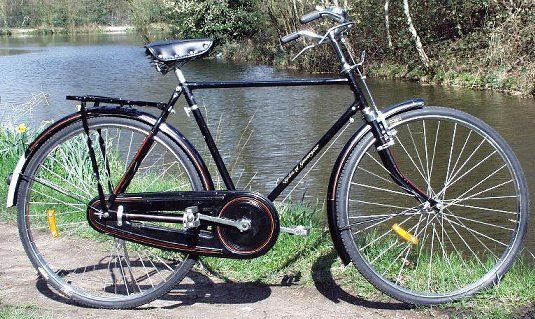
Frankly I dont have an answer. It is going to be like scooters, it took Honda to redefine the scooter market.
Pencils : How long will they be in Crease?

Saturday, April 22, 2006

Lays : No One Can Eat Just One

Brand : Lays
Company: Frito Lay ( Pepsico Group )
Agency: JWT

If you believe that it is not possible to brand a commodity that too a food product and sell it at a premium, think again. You are mistaken. Ask any youngster what would he like as a snack food.Chances are that he will say Lays..

Lays from Fritolay : a group company of Pepsico India is the only money making machine for this global giant in India. Indian snack food business is a huge market to the tune of 17000tonnes out of which the branded foods contribute around 6500 tonne. In revenue terms, Indian snack food business is worth around Rs 2500 crore and growing. Lays commands a monopoly sort of position in the Potato chips category which is around 85% of the snack food market.

Lays is competing head on with the unbranded players in the market and if you look at the broader levels of competition , this brand is competing even with the snacks from our own kitchen. It is interesting to see how this brand has succeeded in the commodity business. It followed all the rules to perfection.
1. Quality: the brand offered superior quality compared to the other unbranded snacks there by reducing the risk to the customer . The crisp and beautifully packed chips were a new experience for the Indian consumer.
2. Value addition: the brand offers unimaginable range of potato chips with many flavors made especially for India. Together with many new international flavors, it easily caught the imagination of Indian consumer
3. Aggressive brand building: No one needs to teach Pepsico How to build a brand! Lays spent lot of money on brands building and once established were able to charge a premium for the brand.
Although initially Indian consumer were pissed off by the high price, slowly the brand established its credentials. The so called "Liberation child' and the software yuppies caught hold of this brand. These trend setters made this brand a must for looking cool in campuses. " Lays with Cola" began to take its toll on "Samosa and Tea".
Lays lavishly spent money on brand building. The ads were catchy and was positioning the product on the platform of "Taste" .The baseline ' No one can eat just one " is one of the most successful baseline in Indian advertising. The baseline is true also since the taste is compelling that no one can eat just one. The brand ambassadors Saif and Priety gave a cool attitude to this brand making it more interesting for the new generation. Lays have always tried to excite its fans by launching new flavors frequently. This ensured that the brand is never boring. The latest flavor is the Latino style. The company is going to focus on Music as a base for building this brand.
With ITC foraying into this business will see the market expanding . But Lays have put itself in a formidable position that is difficult to match. For now , No one can eat just one ...

Thursday, April 20, 2006

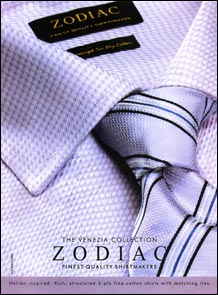
Zodiac : Finest Quality Shirt Makers

Brand : Zodiac
Company: Zodiac clothing
Agency: FCB Ulka

Zodiac is India's premium and one of the oldest brands in the readymade menswear category. The company started off as an exporting firm launched Zodiac in the domestic market in late 80's. In the Indian readymade menswear category which is estimated to be around 6000 crore, Zodiac have a market share of 17 % in the branded premium category.

Zodiac as a brand is promoted very subtly. You seldom see the campaigns in mass media. But if you read magazines, you are not going to miss the ads either in the back cover or inside cover. The ads are crafted in similar format and without any celebrities or fantasies, it is shirt all the way.
Zodiac is positioned as shirts from " Finest Quality Shirt Makers". The core qualities of the product are the unmatched quality and the designing. Zodiac follows the design and retail focus. The shirts which is available across the globe take fashion cues from the west and the designers back in India puts it into the shirts.
From the eighties, the readymade menswear have undergone drastic changes. We saw the emergence of categories like Smart casuals from Color Plus, Friday dressing from Allensolly, Premium range from Loius Philippe which changed the way Indians dress to work.
Zodiac targets at the upwardly mobile executives and is still sticking to the traditional concept of formal wear. Not wanting to lag behind the emergence of new breakaway categories, Zodiac launched its club wear brand ZOD! in 2002. Zodiac have also an impressive range of Ties where it have captured a commanding position in that category.
Zodiac have maintained its positioning through these years as World's finest shirt makers.But with the competition taking the categories and discovering new categories, Zodiac cannot afford to be silent. The brand needs larger doses of promotion to survive in the Indian market.

Monday, April 17, 2006

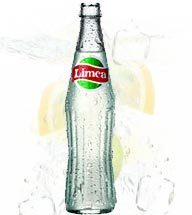
Limca : Lime N Lemony

Brand : Limca
Company: Coca Cola
Agency:O&M
When Ramesh Chauhan sold his soft drinks brands to Coca Cola for 10 mn $, he may had some clue that the brand babies that he is selling will be left to die.But he may not have a clue that some of them will survive, Thums Up did. Now we see a very unusual ads in TV, ads of Limca, Who?

Limca was one of the brands that was sold along with Thums Up, and Gold Spot. Launched in 1971, Limca was the quintessential Isotonic drink that quenches your thirst, it was the lemon drink from Parle. Limca was virtually dead since it had no place in Coca Cola’s Indian plan.
This summer has proved that some brands have life of their own, Thums Up had that, now Limca reinforces it. Limca was a powerful brand of our times, it was the major Lime flavoured drink and was positioned as “ Lime and Lemony”. As usual the ads were catchy and depicted fun and enjoyment.How did Limca resurrected at this juncture? The answer is that in the first place there was no reason for it to die. Coke did not have a lemon flavored drink but some on in Atlanta thought that it could come out with such a variant later.
Now the Indian SD market is hotting up. With the traditional Coke- Pepsi war is hotting up with lousy ads from both sides : Pepsi with the rubbish Pepsi TV and Coke with an equal bullshit ‘ Thande ka Thadka” While Sprite has messed up with Sania, Mountain dew is stuck with the three Hooligans. While 7 up is trying to be more Clear, its agency had forgotten the fact that every time you talk about being Clear, Sprite comes to the mind. The brand element Fido has not been able to connect with the Indian psyche.The only silver lining is Thums Up surprisingly is back with its “ Taste the Thunder “ campaign ( it could have avoided the hyperbole). While Mirinda is nowhere remembered so is Fanta.

Hence there is enough space for a different flavour , a flavour that is most popular in India, lemon. And Limca makes perfect sense. The ads of Limca is in line with the earlier campaigns that shows lots of water and really urges you to take some liquid . In the earlier avatar, Limca had that COOL attitude while Gold Spot was the Zing thing.In India , lemon flavored drinks had to compete with our very own Nimbu pani, that is a reason why earlier nimbu version of Mirinda failed in Indian market. Hence Limca have to bypass the direct comparison with the cheaper Nimbu paani.

The resurrection of Limca is indeed a nostalgia and good news for all who knew this brand , we welcome you …

Monday, April 10, 2006

Reid & Taylor : Bond With The Best

Brand : Reid & Taylor
Company: S Kumars
Agency: In House agency

To build a premium Indian brand, start globally and ride locally. Reid&Taylor did just that. This brand had revitalized the India suiting market. Launched in 1998, this brand ranks no.2 in the 2000 crore worsted suit market.

Indian suit market was lying idle for a long time because of the onslaught of ready to wear garments and the lack of any excitement in the category as such which was dominated by established players like Raymonds, Grasim etc.
Reid and Taylor is a Scottish brand created by Alexander Reid along with financier Joseph Taylor. This brand has a rich heritage dating back to 1830.

Reid&Taylor had a dream opening. The strategy was accurate and the icon was non other than Bond... James Bond. The brand was launched just before World cup 1999. The campaign was executed in a military like fashion.There was lot of firsts in their product launch. The brand was the first one to use TV as the primary medium with Print playing the second fiddle.

The positioning was purely as a " Luxury Suiting". The brand owners knew that the brand launch should live upto the expectation of the Indian consumers roped in none other than Pierce Brosnan as its brand ambassador. With the high profile launch and the charisma of Bond worked wonders with the brand . The brand had second best recall during the world cup series.
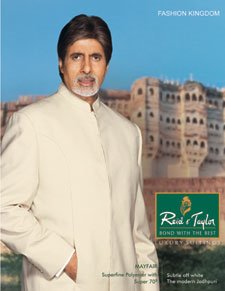
Later the consumer survey revealed that even though the brand was aspirational, customers perceived it to be expensive because of its international icon. This prompted the company to look for an Indian icon. They did not have to search harder, the choice was our very own Amitabh Bachchan. Big B fitted perfectly to the brand persona. He was the style icon and commanded immense equity with the customers. Amitabh lifted the brand to a much higher level in connecting with Indian consumer. The positioning was not changed but the message was to create an image of affordability. The baseline was " Bond with the Best" was in line with the positioning.
S kumars plan to take this brand to ready to wear segment also where it will be competing with Louis Philippe , Van Heusen, etc. It is where this brand will prove its mettle. With the current positioning and the careful marketing campaigns, this brand will make an impact in ready to wear segment .

Friday, April 07, 2006

SBI : Not Quite Surprisingly SBI

Brand : SBI
Agency : O&M

SBI is the largest bank in India, It has the largest number of ATMs in the country. The Vehicle loans cover Insurance cost also. The home loans cover furniture also. 80% of India's corporate world depends on SBI. Surprisingly SBI

SBI employees are on strike from 3 April 2006 ( after getting their salary). Even after 4 days, the strike is going on, cheques are not cleared ( my salary is still in cheque form). The largest number of ATMs are already dried up. 80% of corporate are worried about their funds. Not so surprising because it is SBI.

SBI was set up in 1806 at that time called the Imperial Bank of India.Later after our independence SBI was formed. The bank still carries the Pre- liberalisation culture which has now come to the full circle.

I am not commenting whether the strike is legal or ethical. Employees have to stand united for their rights. I am talking about the brand SBI. SBI in recent years are facing hot competition from the new generation banks like ICICI, HDFC etc. SBI was able to hold its fort against these new players because of sheer size and reach. With ICICI close to their heels, SBI took a decision for an image make over.

The customers were surprised to see the new campaigns and billboards teaching customers about SBI. O&M did a nice job in subtly changing the image of SBI from a monolith to an agile banker. But this strike have put all those money used for brand building into waste basket. SBI is facing the nightmare of all the employers of the world: strike.
SBI is going to pay a heavy price for this debacle and ultimately it is the employees who is going to get affected in the end. News reports suggest that SBI customers will look for other alternatives ( am sure most of the corporate are pissed off) , the deposits will take a run and the brand equity will be hit hard. ICICI may have already started their work on SBI clients and I am sure not much persuation is needed.
In a pure marketing perspective, this could have been managed better. There was no contingency plan in place. The notice for strike was given much before, had some alternative arrangements be made, this problem could have been solved. But efforts was to focused on strike and not on customers. If a contingency plan had been made, the strike would not have been there. Since SBI have some responsibility towards its customers, contingency plan should have been there in place. But it was not. Even if the strike ends this week , it will take another 15 days to normalize the operation which is going to cost this bank dearly.
I am sorry for the striking employees because they will get a pension only if the bank is in good health.They are making it sure that it is not.

Thursday, April 06, 2006

Eureka Forbes: Friend for Life

Brand : Eureka Forbes
Company: Shahpoorji Pallonji group
Agency: Triton


Eureka Forbes (EFL) have come a long way. From being famous ( or infamous ) for pioneering the direct selling in India to being rated as the best employer and top it all a case study at Harvard.
Eureka Forbes is a joint venture between Forbes ( India ) and Electrolux from Sweden.

Eureka Forbes first launched the Vacuum cleaners in India in 1984 and in 1984 launched the water purifier Aquaguard. EFL initially faced lot of problem in marketing its vacuum cleaners. Targeted at the upper middle class families, these products were never considered a priority. Since most of the middle class families could afford a maid, it was a fight between Maid and the Machine.
Because of the low interest and since the product benefits needs to be demonstrated to the customers, conventional distribution was not viable. Hence EFL chose the less traveled Direct selling route. The Eureka Forbes sales man was called Eurochamp. It was a tough job for these salesman who had to go through the "cold calls " to get a sale. At one point of time, because of the aggressive nature of these sales persons, people became scared even to listen to these sales persons. Now this aggression has mellowed down to a more professional sales approach. EFL has also tried to position their sales persons as problem solvers rather than sales officers. The campaigns tried to build the image of a Euro champ as a Friend rather than one that is after the money.During the late eighties, Eureka Forbes salesmen was generic to direct selling.
Indian vacuum cleaner market is worth around 120 crores and water purifier market is worth around 350 crores. EFL is a clear market leader in both these categories with a market share of 85%.
Aquaguard water purifier was a clear winner from EFL stable . Targeted at the top of SEC households, this brand has effectively positioned itself as a one stop shop for pure water. This brand connects very well with the concern of mothers about the purity of the water at home.
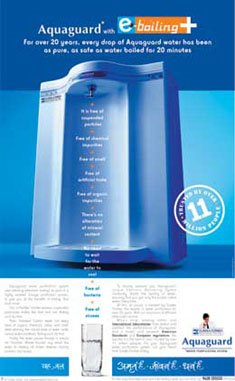
Innovative products like water purifier with 'e-Boiling' together with communications clearly telling the benefits of this product has made Aquaguard a " Super Brand".
One of the major problems faced by both these markets is the price barrier. Vacuum cleaners were expensive when it was launched, but looking at the website of the company, the prices has come down sharply which will expand the market. Second problem with vacuum cleaner is the lack of product usage at homes. Most of the vacuum cleaners are lying idle which is bound to create a negative word of mouth. EFL may have to do a follow up on helping customers to use the product regularly. Water purifier may not have the usage problem but the price is still considered as high by the middle class. EFL may have to launch some economic brand as a flanker to Aquaguard.
Eureka Forbes is a brand that personifies the hard work of all Euro champs. hats off to them.

Tuesday, April 04, 2006

Cycle Agarbatti : Everyone has a reason to Pray

Brand: Cycle Agarbatti
Company: N Rangarao and Sons

The Indian Agarbatti market is worth around 1000 crores and is dominated by the unorganised sector.Hardly 15% of this market is branded. This market is unattractive because of high labour cost and lack of possibilities of differentiation and price sensitivity.

Cycle brand is owned by Bangalore based N Rangarao and sons. NRS were pioneers in branding this difficult market and Cycle brand is one of the largest agarbatti brand in India which have a market share of 8%.

Cycle brand was launched in 1948. In this commodity market,Cycle was positioned as a premium agarbatti brand. The brand was trying to differentiate by good packaging, marketing campaigns and quality. Cycle 3-in -one is the most popular which have three different fragrance sets of agarbattis in one pack.
Agarbattis are low involvement products whose purchases are often impulsive. Since there are a few brands in this category, customers makes purchase based on impressive packaging, fragrance or price. Since the price is less, there is little scope for brand loyalty.
Cycle brand has established itself in the market with some good marketing campaigns with emphasis on quality and fragrance. Recently NR sons have launched a new brand Lia with trendy packaging and good advertising.
The market is going to witness some serious marketing action with the entry of ITC. ITC is planning to make this a lifestyle product. ITC is launching a premium brand "Sphriha" which is manufactured by Aurobindo Ashram, Pondicherry. ITC is also launching different brand in various segment viz Nivedan in the mid segment, Ashageet in the lower segment. With lot of cash for marketing, ITC will be a serious threat to Cycle.
The entry of ITC can be a positive factor also since the marketing effort will expand the market and thus Cycle brand will also benefit.
Agarbatti market is a very difficult market to crack because agarbatti is limited to pooja rooms only and there is a religious aspect to the product. The marketers have to take some lessons from "Nightingale" brand ( discussed in my previous blogs) to make an impact. The product have some inherent disadvantage like the residual ash and short burning time. Marketers have to take this brand out of pooja rooms. Theme based marketing can also be tried. Ash-less agarbattis can be an innovation worth thinking provided that attribute is considered important by the consumers. Healthy fumes can be used as a strategy to attack the lower priced incense sticks warning the consumers of health hazard of using unbranded agarbattis.
This market is worth watching for because it is a challenge for marketers to establish a value proposition in a commodity market.

Friday, March 31, 2006

Zen : Surrendered To The New Generation

Brand : Zen
Company: Maruti Suzuki
Agency : Hakudo Percept


A brand that ruled the Indian midsegment car market will be laid to rest very soon. Maruthi Zen which was considered to be one of the best cars on the Indian roads after a long life of 13 years have become redundant. It is a sad news for all Zen owners who still vouch for this hatchback. Marketers will also be sad because it was a marketing failure and not a product failure. The good old zen is still valued as precious by its owners.

Zen was launched in India in 1993. Instantly this premium car became the favorite of the upwardly mobile Indian middle class. The was something special about this jelly bean shaped car and the driving and maneuvering quality was nothing but superb. In cities where there is bumper to bumper traffic, the Zen was the most preferred one.

During the nineties all the cars from Maruti ruled the segment because of lack of competition. Then came Santro and Zen had a competition. Although initially people scoffed at the tall boy design of Santro, slowly through smart marketing, Santro began to eat into Zen's market. Then came the major blow in the form of Indica which changed the rules of the game in the hatchback segment.
Zen came out with Zen LXi in 2001, but the market share was slowly declining. The major reason being, the owners of Zen were getting older and Zen was missing out on the new generation. There was no excitement about Zen. Maruti is a poor marketer with good products. All their products are of exceptional quality and all their marketing campaigns ( including the campaign of new Swift) is exceptionally poor. Customers buy it because it is good.
While the competitors are gaining the share of mind of consumers using smart marketing campaigns, Zen was no where in the picture. The launch of Zen with round headlamps was a major disaster.
During 1999, Maruti launched Wagon R and 2000 saw the launch of Alto, With these products, Zen was left in a no man's land. The segmentation became fussy. Since there was no clear positioning for Zen, the new launches proved to be a major blow to this brand. With the launch of sporty Swift , Zen has now become a liability for Suzuki's portfolio.
To arrest the slide of the market share of zen, Suzuki, launched a redesigned Zen in 2003 with a new look with much fanfare. The campaigns were shot in Paris. The logic was to attract the new generation and the positioning was " strong sleek and sexy". The base line was " Surrender to the new Zen". The campaigns was lousy never excited the new generation. The existing users were pissed off because the resale value of their old beauty crashed. The new look Zen also bombed because of poor marketing.

Infact their was no need for such an upgrade because the problem was with positioning and not the product. Zen was known for its power, easy driving and quality. It never looked sporty and the colors were lousy. Zen could have excited the younger generation just by introducing a sporty variant with some fantastic colours. The colors of Zen were never exciting.I still believe Zen have that premium touch to it. So with some smart colours and with some sensible advertisements, Zen could have zoomed. The positioning can be a sporty and a smart car for the urban professionals. But alas....

Zen is a classic example of how poor marketing can kill a good product.

Monday, March 27, 2006

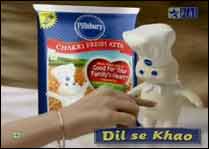
Pillsbury : Dil se Khao

Brand : Pillsbury
Company: General Mills
Agency: Leo Burnett

Pillsbury is a global food brand that is trying to replicate its success in Indian market. The brand was launched in Indiain 1998 as a result of a joint venture between Godrej and Selviac Nederland BV ( Pillsbury). Pillsbury have a rich heritage dating back to 1869. It started as a flour milling company named A Pillsbury and is now one of the largest brands in the food products market in the world.In 2002, the company was taken over by General Mills.

When Pillsbury was launched, it had the option of coming in with the blockbuster global "ready to eat products" , but it chose a contra approach heeding to the advice given by Mckinsey “ GO Basic”. So Pillsbury launched Pillsbury Chakki fresh atta ( pounded wheat flour) in the Indian market.
It was a bold move because the atta market is a commodity market and the branded atta market is only 3% of the total atta market in India estimated to be around 23000 crore.

Pillsbury chakkifresh atta was launched in India on the platform of softness. Since ordinary Roti’s lost their softness after some time, Pillsbury claimed that its Roti’s retained the softness for over 6 hours. This appealed to the modern homemakers since Roti’s can be kept in tiffin boxes without worrying about softness.

It was a tough task for Pillsbury to enter into Indian kitchens since the households followed traditional way of buying wheat and giving them to flour mills. Pillsbury realized that food products marketing are more of Repertoire marketing where more variety is the key to success. Pillsbury decided to move up the value chain by coming out with a range of products.
The firs one was the launch of Oven cake mixes in 1999. The product failed in the market because of poor penetration of microwave ovens. Taking a lesson from this failure, came the successful launch of Cooker Cake mixes in 2000 ie cakes can me made using pressure cookers. Ub 2002, Pillsbury launched Pan Fresh Pizza.

Despite these launches, Pillsbury was not happy with the way the atta brand was moving. A marketing research showed that health was a leading attribute that customers look for when they buy food products .

In 2004 the product was relaunched in the health platform with emphasis on “ good to heart” since heart problems are on a rise in Urban market. The idea is to promote the idea that whole wheat atta is good for your family’s heart .The latest positioning is “ Dil se Khao “ reinforces the health positioning.The brand is endorsed by Healthcare foundation.

Using the innovative differentiation and positioning, Pillsbury is having a market share of 8% in the branded atta market. While the market leader is Ashirvad from ITC (40%) followed by Annapoorna from HLL (18%).

Pillsbury globally is famous for its mascot “ Poppin Fresh” popularly known as the doughboy. Although the mascot is in Indian market too, it does not have the same fan following as it is in the west.

Pillsbury despite its foreign origin and brand name is trying to fit into the Indian mindset. Despite having a good product, the brand is lagging behind Ashirvad which was launched much later. With the backing of a global foods giant and with some very smart thinking, this brand has the potential to make it big.The only thing Pillbury needs is lots of money for advertising

Friday, March 24, 2006

Everyday Dairy Whitener: For a Great Tasting Tea

Brand : Everyday
Company: Nestle


Indian milk powder market is at a nascent stage . While the dairy market in India is a huge market, milk powders were not able to garner a major share in this market. While the loose milk market is estimated to be around Rs470 billion, the processed milk market is only Rs 10000 crores. Milk powder market is only 7% of the whole milk market. 46% of the milk produced in India is consumed in the liquid form while 47% are used for making products like ghee etc only 7% is used for making western products like butter milk powder etc.

There are two types of milk powders

a. Whole milk powder
b. Skimmed milk powder.

Everyday is a major player in the Dairy whitener category that is a part of the skimmed milk category. The dairy whiteners are used for tea making.
Everyday was launched in 1986 now have a market share of around 22%. The category is facing the major obstacle of consumer perception towards this category. The consumers perceive that loose milk is fresh. And with abundant milk supply, milk powders were able to penetrate only 4.7% of the entire market.

While Everyday faces stiff competition from Amul's Amulya and Britannia's Milkman, the major competition is from the ordinary milk. Now consumers use milk powder as a standby for packaged milk and also for making tea and coffee. Although, milk powders have the advantage of shelf life and convenience, that is not enough to fight the competition from packaged milk.

The only strategy is to add value to the milk powder other than the expected attributes of convenience and shelflife. Although Amulya tried to differentiate focusing on the " free from insolubles" it is not enough to expand the category.
Conventional marketing theory says either expand the market or increase the usage /usage situations .
When you look at this product, the usage right now is limited, one cannot use this other than making tea, that is a major drawback for milk powders. Hence within these limitations, Everyday has to add more value. The price is expensive compared to loose milk so without adding more value, the market will not expand. Everyday have launched a new " low calorie" variant of the whitener. Also an extension to the ghee category has been made.

The milk powder market, it it had to grow may have to show that it is a better option compared to the liquid form. Adding more nutrients , variants and identifying multiple uses are the only option in this nascent market.

Till then have a cup of tea.

Tuesday, March 21, 2006

La Opala : Adding style to your lifestyle

Brand : La Opala
Company : La Opala Rg
Agency: Leo Burnett


Indian crockery market is very much fragmented and dominated by unorganised sector. The market is estimated to be around 43000 MT of which the unorganised sector is commanding around 60 % share. Crockery market consists of pottery, kitchenware and tableware.

La Opala is one of the major player in the organised crockery market in India. The brand which was launched in India in 1987 dominates the premium segment in the market. The industry is limited by high labour cost and lack of modern technology. While in India , the industry is labour intensive where as in developed countries , it is fully automated.
The crockery market is driven by innovation. The need for such items varies very much with the culture of the market. While in Saudi a typical dinner needs around 90 pieces of crockery, In India, a dinner needs only 20 pieces. So there has to be distinct products for each market.
Since the need varies with culture and lifestyle, this is a market that is going to grow fast in India.
La Opala is ready to ride this boom by positioning itself as a lifestyle product. But inorder to do that a strong marketing effort is needed to change the way Indians use the tablewares. Traditionally Indians use stainless steel tablewares. While these ceramic and melamine wares are reserved for special occasions. With the popularity of unbreakable plasitic look alikes, products like La Opala will have a tough time in breaking into Indian households.
La Opala is positioned as a premium tableware. The brand aims to " Add style to your lifestyle ". It is a lifestyle product and is very popular as a gift item. Recently La Opala has launched a premium crystal ware brand Solitaire to tap the emerging crystal ware segment. The lower end of the glassware and ceramic segment is dominated by players like Yera and Milton.
La Opala is playing the premium game and have effectively created a name for itself. Using good ads and maintaining high quality , this brand have lot of potential to grow in this market.

Friday, March 17, 2006

Sunlight : Sunset?

Brand : Sunlight
Company: HLL
Agency: O&M

Sunlight is the oldest brand in the HLL’s portfolio. Launched in India in 1888, this brand is a heritage brand. Sunlight came to India as a detergent brand.
Indian fabric wash market is expected to be around 5700 crore. Sunlight over these 118 years had its life cut out in the “power brand strategy” of HLL.
Sunlight was famous as a detergent or laundry cake which was very popular in the early times. The change in the customer lifestyle has tilted the market towards powder detergents. HLL focused its efforts on the powder detergents market and Sunlight was lost in the woods. Detergent cakes are losing consumer preference because of the advantages of powder detergents. Earlier, powder detergents were considered to be premium and with the rationalizing of prices, consumers have shifted towards powders.

Under the “Power brand “strategy, HLL decided to phase out Sunlight brand and focus on Wheel and Rin. But in 2004, Sunlight came with the new avatar as a Powder detergent. What made the company think about this brand is unknown. Sunlight detergent is now positioned as an affordable detergent with differentiation of “Color Guard” feature. The detergent also has the Pure Clean Technology that minimizes the “Insoluble” in the detergents. Sunlight is priced above Wheel and below Rin. The brand is promoted more in Eastern India and Kerala.

Why a brand that have such a heritage become a liability for HLL. It’s because HLL failed to use Sunlight to counter the onslaught of Nirma. Instead it chose a new brand Wheel. With the introduction of Wheel as a powder detergent and with the decline of the detergent cake market, Sunlight lost its relevance. HLL also extended Wheel and Rin to Detergent cakes so further sidelining the Sunlight brand.

Now Sunlight is used as a brand to effectively fill the gap between Wheel and Rin, so that no competitor can come in that price point. It is also interesting to note that this brand does not feature in HLL’s website. The brand have a very relevant brand name which denotes brightness and cleanliness, it is a brand name you cannot afford to lose. Sunlight should be positioned as a " Value for Money " brand. This segment is vacant in the Indian Detergent market. Wheel is perceived as a low priced brand, Surf Excel is a midsegment brand while Rin is for whiteness. Sunlight with its colorguard and Pure clean technology is in a position to create a market for itself.

Tuesday, March 14, 2006

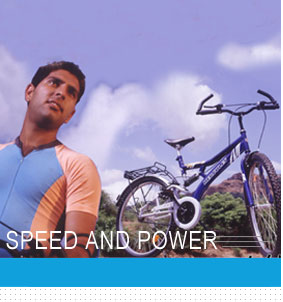
Hercules : Ride Your Passion

Brand : Hercules
Company: TI Cycles India Ltd
Agency : Mudra

Indian Cycle market is estimated to be around 2000 crores. Hercules is one of the oldest cycle brands in India. Hercules was launched in India in 1949. The Indian cycle market was a growing market those days because it was the main mode of transportation while motorcycles and cars were not affordable to Indian consumers.

The cycle market can be broadly divided into
1. Kids cycle
2. Adults cycle (old roadster type)
3. Youth’s cycle (girls and boys versions)

The cycle market was skewed towards rural market and the market is very price sensitive. The leadership position of TI cycles was taken away by Hero cycles in the nineties. TI cycles have brands like Hercules and BSA to its fold.

Indian cycle market is facing a major crisis now. The opening up of economy has changed the psychographics of Indian consumers. With the advent of affordable motorcycles and cars, the industry which was hit hard was the cycle industry. Since consumers have shifted to more sophisticated mode of transportation, the cycle market was shrinking and became confined to rural market. In the urban market the cycles were used mainly by kids aged 6-17.
The market for cycles for youth is virtually killed with the entry of mopeds and low end motorcycles. The rural market is also facing pressure with more mopeds and motorcycles exploring that market.
The two major brands of TI cycles were Hercules and BSA. While Hercules was the ordinary adult cycle, BSA focused on the youth segment with more cotemporary look.

With Hero cycles claiming the leadership position in the mid segment of cycles in India. TI cycles were in a tight spot.TI cycle had two choices,
1. To focus on Kids cycles and rural market
2, To focus on urban market.

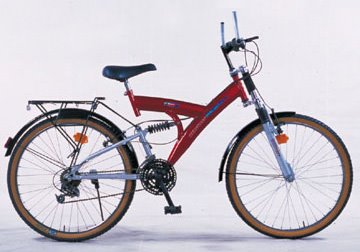
TI chose to tap the urban market which was virtually at the decline stage. It chose the age old Hercules brand to revive the urban cycle market. Hercules brand is originally owned by Raleigh UK. TI decided to change the brand Hercules as an Urban brand. In 1992 it launched the Hercules MTB ,the first mountain terrain bike of India. The new product was backed by some cool ads from Mudra. The ads raised the stature of Hercules brand to an aspirational level and was targeted at youth aged 14-19. The consumer insight was that the youth prefer cycle which is more masculine and the positioning also was in tune with this insight.

But a problem with cycles is that it is easy for the competitor to clone your product innovations. Hero cycles matched TI in all product launches with their own version. In 1998-2000 Hercules MTB was relaunched as a more adult like cycle.
TI hit upon the idea of tapping the adult while launching the Hercules MTB range. Since there is no incentive for adults to use cycles, the task was to create a cycling culture in the market. First the product has to appeal to adults and there should be a need to use this product. Thus came the idea of promoting cycles for leisure and exercise. This idea enabled Hercules to come out with lot of new products and value additions. The cycles were made more masculine, more comfort and promotions aimed at creating a cycling culture.
TI used the multi brand strategy to counter the threat of Hero cycles, Using BSA and Hercules, TI was able to command the premium segment of the cycle market. The geared cycles, BSA ladybird for girls, BSA city for 30+ city rider, BSA i bike designed in Italy, cycle with shock absorbers, cycle without chain etc ensured that Hercules and BSA is known for innovation and created some excitement in the otherwise dull cycle market.The latest BSA Foldman is India’s first foldable cycle . Hercules has roped in Yuvraj Singh to endorse the cycle. Although I have criticised celebrity endorsements, using Yuvraj singh makes perfect sense for a sagging market.

These innovations have helped TI to still hold 30% market share and a major share of premium value added cycle segment. But the path is not so easy to survive. One of the major task is to create the culture of cycling in India. In the West, there is a cycling culture while in China and Japan it is a major mode of transportation. With the increasing fuel prices, congested roads, increasing health consciousness are indicators that there is going to be a reinvention of cycling in India. It takes patience and money to ride that reinvention and Hercules is all set to ride that wave.

Friday, March 10, 2006

VIP : Bye Bye, Bye Bye !

Brand : VIP
Company : VIP industries ltd
Agency :Lowe


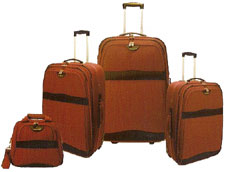
VIP is the undisputed market leader in Rs 1200 ( some say it is 600 crore) crore Indian Luggage industry. Launched in 1971 VIP aimed to capture the market dominated by unorganized sector. Indian Luggage market is largely consisting of soft luggage and moulded luggage.

The luggage market is going through a tough time with low demand and stiff competition from unorganized sector. In India since the frequency of travel is low, the luggage manufacturers are facing a unique problem. The product is a high involvement product at the time of purchase but after the purchase the interaction with the product is limited. Hence marketers find it tricky in keeping their brand at the top of the mind of customers.

VIP has established itself in the Indian market using product innovations, stress on quality and brand building. VIP was the first to introduce “non reversible multi safe lock”, soft grip handle, dual action lock and central locking system. These innovations together with brand building made VIP a market leader.

Then VIP faced the problem faced by most of the giants: the brand becoming generic to the category and local brands eating into the share of the company.
In 1997 came a formidable threat to VIP – Samsonite. With in short time Samsonite established its presence in the luxury segment of the market. While VIP was very dominant in the mid- segment, it had no presence in the luxury segment. Samsonite posed a major threat to VIP and garnered a market share of about 35% in the luggage market with in a short period of time. This forced VIP to seriously reconsider its marketing strategy. To counter the threat of Samsonite, VIP launched Elanza range of premium luggages. Samsonite meanwhile also wanted to enter the popular segment ( 800- 2000 range) . It launched the brand “American Tourister “ to enter this segment posing a major threat to the market leader. More over Samsonite had an international contemporary look and appealed to the new generation than VIP which was not perceived as a vibrant brand.

Inorder to attract the new generation and create a new brand identity, VIP embarked on a rebranding exercise. The usual ads of VIP was appealing to the middle class and focusing more on emotion. The “ Kal Bhi, Aaj Bhi” ads were very powerful and appealed to the middleclass. But since the consumers changed, inorder to succeed, the brand had to have a contemporary look.

The new strategy of VIP is focusing on capturing or owning the concept of “Travel”. The logo was changed to a more contemporary logo and the ads were changed to communicate the new positioning. The agency thought of the most appropriate moments of travel and decided that the “ time of departure “ is the most critical constituents of travel. The ads aimed to tie the brand to Travel. Thus originated the “ Bye- Bye “ campaign with a very youthful imagery that appealed more the new generation travelers. The baseline was changed to “ Happy journey” thus attempting to own the concept of traveling.

The new campaigns were supported by new ranges of products. The sub brands of VIP include Delsey (international brand from France) to capture the premium segment, Footloose: the trendy bags for the youth, Buddy: school bags and Alfa: value for money segment.
VIP is a market leader that is trying hard to retain its leadership position. It had failed to create barriers for competition by keeping many categories open for competition to enter. Now also leather bag category is now seeing lot of action with big players like Hidesign taking the lead. VIP does not have a presence in this segment.

But with its strong brand equity and ability to change with the consumer trends will help VIP in its future battles.

VIP : Happy Journey

Wednesday, March 08, 2006

Rexona : Won't Let You Down.

Brand : Rexona
Company: HLL
Agency: JWT

Rexona soap was launched in India in 1947. It is one of the well known brand in the 4500 crore soap market. Although the brand does not have any significant market share, it has a loyal customer base. Rexona soap was positioned as natural skin care soap for a silky glowing skin. With its excellent quality and good communication, initially the brand was well received by Indian consumer. In 1989, the brand came out with Coconut based ingredient which was one of its kinds at that period.

But over the period this product lost its way and was competing with HLL’s own brand Hamam. In 2003 HLL as a part of the “ Power Brand “ strategy decided to merge this brand with Lux. Thus came the variant “ Rexona with Lux cream”. In 2005 HLL again decided to make Rexona independent. All these measures ensured that a good product like Rexona be battered to pulp in the Indian market. Rexona is an indigenous brand created by HLL to market in India.

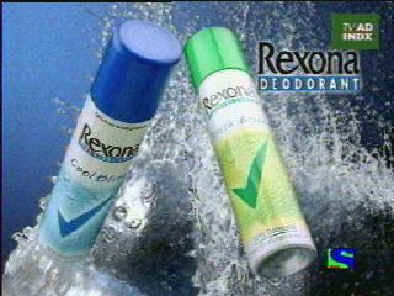
Rexona deodorant is a different story altogether. Rexona was originally created in Australia in 1900. Rexona is the largest deo brand in the world and the brand is estimated to be worth around Rs2000 crore and is available in 90 countries. Rexona is the brand that created the deodorant market in India. This brand is a classic case that proves the marketing ability of HLL. Deodorant market was virtually non existent in India till 1995. Some international brands were available but the market was virtually non existent. Indian consumers were not bothered by their own odor. Infact we believed that body odor was the other person’s problem. So HLL had the task of build awareness of the need of the consumers to smell good. For that Rexona ads educated the customers the main source of odor is armpits which generate 90% of odor and only 1% sweat. When the other brands like Baccarose talked in terms of aspirational features, Rexona talked about the rational benefits of the product. It was positioned along the baseline “ har pal sath nibhaye” . Rexona was introduced initially in the form of Roll On and Stick and later to aerosols. The sticks were priced smartly to induce the customers to try the products.The effective campaigns and smart pricing created a category of Deo in India. The deo market zoomed from 0 to 70 crore in less than 3 year’s time.

Rexona faced competition basically from grey market international brands like brut. Rexona was perceived by Indian consumers as an Indian brand because of its presence in the soap category. Ironically, the Rexona soap is available only in India. Because of the low pricing and its local association, Rexona could not be positioned as a premium deo.

There are three type of deos
1. Body spray
2. Alcohol based germ fighters
3. Antiperspirant
Rexona falls into the third category.

Rexona deo introduced lot of variants in order to block competition from entering the category it has created. HLL also introduced AXE and Denim to further consolidate the position.
Rexona Deo is now positioned as a unisex brand with the baseline “ Won’t let you down”. It is highlighting the brand as world’s largest selling deo and the rational benefit of 24 hr protection.

While Rexona deo is enjoying its leadership in the deo, the soap is wandering around in the market like an orphan. Since the soap brand is now disassociated with Lux, I hope that it will get some oxygen.
I personally feel that Rexona should be positioned as a natural soap and variants like cucumber etc will create a niche for it.

Tuesday, March 07, 2006

Cinthol : Get Ready, Get Close

Brand : Cinthol
Company: Godrej consumer products ltd
Agency ; Orchard Advertising

Cinthol is a 54 year old soap brand from Godrej Consumer products ltd. This brand features in the Interbrand;s Super Brand 2004-05. This is a brand that has withstood the so-called MNC onslaught. This very own Indian brand has been carefully nurtured by the company and owns a special place in the Indian consumer’s mind.

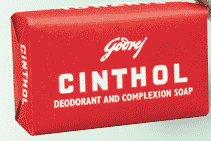
Cinthol was launched in the year 1952. The original Cinthol comes with a red pack (still the old Cinthol is available in the market) and the unique Fougere perfume became a big hit during its launch itself. Cinthol have a market share of about 2.5% in value terms. The brand is contemporary and positioned as a masculine soap with USP of protection from body odor.


Godrej have always tried to experiment with this product, trying out new things and coming out with different variants. This has enabled the product be in tune with the changing consumer trends.

Cinthol heavily promoted the product using celebrities of the likes of Vinod Khanna and Imran Khan in 1986 . In 1989 Cinthol tried to catch the lime freshness trend using Cinthol Lime which was a big hit. During 1992 it came out with Cologne. The brand went for a major overhaul in 1993-1995 with a new pack. But there was a customer outcry for the old Cinthol. Eventually the company had to relaunch the original Cinthol and the new range was branded as Cinthol International.

Original Cinthol have the usp of deo + complexion is said to be the first of its kind in India. Cinthol is also made of vegetable oils and not animal fats and was popular for this quality. Cinthol name is derived from SYNTHetic + phenol ( SYNTHOL)
In 2004, the brand embarked on a new positioning of “ Get Ready ,Get Close” The brand also have extensions like Talcum powder and Deo but these extensions were not as successful as this brand.

Cinthol was promoted using smart ads and the product quality was perceived to be excellent. But now Cinthol is lying low with virtually no advertisements. This is a great brand with huge potential. I feel that Cinthol Deo if promoted heavily can easily beat the likes of AXE. But these products are seldom available in the stores.

Cinthol have to Get Ready to Get Close with the new Generation.

Saturday, March 04, 2006

Sprite : Ban Gaya Bakwaas !

Brand : Sprite
Company: Coca Cola
Agency : O&M

Sprite is one of the fastest growing brand in the 7000 crore carbonated soft drink (CSD) market in India. Taking the place of the erstwhile Limca, the brand is positioned as a basic thirst quencher. The brand in India is competing with Mountain Dew.

Sprite was launched in India in 1999 has caught the attention of Indian consumer by positioning itself as a plain soft drink. The initial baseline have rightly captured the essence of Sprite as “ Bujaye only pyas, Baki All Bakwas “. The protagonist in the campaigns also have that “ cool “ attitude thus breaking clutter of high decibel Cola ads. While Mountain Dew which have a cult status in the west so far did not achieve such a status in India. Analysts say that the protagonists in Mountain Dew does not have the mass appeal as that of Sprite. Mountain Dew world wide is positioned as an icon blaster. In India, Coca Cola was able to capitalize on that positioning better with Sprite.

With the war in this segment hotting up , Dew tried to directly attack the Sprite by portraying the protagonist as a dumbass. But not with much success.

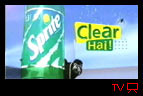
Sprite changed the baseline of “ Baki all Bakwaas “ to “ No gyan only Sprite” and tried to further build on the successful positioning. But some of the ads went too far with the protagonist portraying a larger than life image. Then again the baseline changed to “ Clear Hai “ .
I feel that the baseline “ Baki all Bakwaas “ was changed too soon because it had immense potential for further communication and clearly states the brand’s essence. The subsequent baseline had to be scrapped because it offered limited substance to the creative team to work on. The latest baseline is also have limited flexibility compared to the Bakwaas baseline.

It is evident that the brand is going to lose its soul by having a celebrity endorsement in the form of Sania Mirza. I have no idea why a brand that is positioned as a plain thirst quencher, promoted as an icon blaster, go after a celebrity? By using the celebrity, the brand has diluted what ever equity it had created over these years. Just think about a consumer who have used Sprite because he is bored by all the hype of colas ( they are the defined TG of Sprite isn’t it?) by seeing the brand towing the same line as the other brands, will he be impressed?

Now Mountain Dew is serving for match point….

Sprite : Ban Gaya Bakwaas