Tuesday, November 21, 2006

Funskool - Welcome to the World of Toys !

Brand : Funskool
Company: MRF


Brand Count: 161

Funskool is the market leader in the Indian organised toys market. Pioneer in marketing branded toys, Funskool was launched in 1988 created a new beginning of high quality toys segment in the highly fragmented industry.

Indian Toy industry is huge. Some reports estimate the size of the market to be around Rs 2500 crore ( some say it is Rs 1000 crore). The conflicting market size estimates is an ample proof that the market is highly unorganised. The organised branded toys segment accounts for only Rs 500 crore. Rest of the market is dominated by unbranded toys.
Although the market for Toys is huge, the market is dominated by cheap imports from China.50% of the market is ruled by cheap imports. The China factor is the single most danger that the Indian toy industry face.

Funskool created in 1987 is a joint venture between the World's largest toy manufacturer Hasbro and the Indian tyre major MRF. The brand ushered in an era of toys with educational value and also healthy ( safe). Funskool has since then evolved into a complete toy manufacturer that also exports toys to other markets.
The Indian toy industry can be divided into
a. Board games
b.Building Blocks
c. Dolls & soft toys
d.Electronic toys
While Funskool leads in board game segment, the players like Mattel and Lego leads in the building blocks and dolls segment. Mattel with its Barbie rules the premium end of the Dolls segment. Soft toys is another segment that is growing fast and gaining popularity. Hanung Toys is a major player in this segment.Funskool have a marketshare of around 25% in the branded segment.

Funskool as a brand faces lot of issues in this market. The issues are more of environmental in nature rather than issues of the brand.
The primary issue is the dominance of unbranded cheap toys that is available in the market. The market is price sensitive and hence the branded players face an issue of showing value for the premium paid by the customers. This together with cheap imports made the life difficult for brands like Funskool.
The reason why people go after cheap toys is the lack of awareness about the hazards of using cheap low quality toys. In India Toys are seldom viewed as a development tool. According to Indian consumer, Toys serve the entertainment need of the kids and to the parents it is an easy way to get relief from Pestering kids. While in more developed countries, parents look for educational or developmental value in toys. This makes the category more price sensitive.
Then comes the lack of awareness of parents about the safety of low priced cheap quality products. Although Funskool and other branded toy marketers have run commericials claiming that their toys to be more safe, majority of the consumers have not bought that idea. The main factor is that there has not been too many issues that have arisen because of the use of local toys. We Indians used to make toys out of nature like toys from coconut leaves, wood etc. Hence to teach the Indians sophistication is a difficult task.

Then there is the issue of creative plagiarism or piracy. The rules regarding copying and reproducing toys are not in place or not executed ( copy right issues ). Thus the branded players are not able to sustain the differentiation based on characters or range. Everything can be replicated in this market without much fuss.

Toys are products with shorter lifecycle. A model will survive in the market for 1-3 years. Hence the challenge for the marketer is to create newer toys frequently. Easier said than done, creating newer toys is a challenging task. In the buying process of toys, the marketer has to consider 3 individual minds and 3 different attitudes. While the child is the consumer, the mother acts as the executor of the order and the father controls the purse strings.

Funskool was perfect in creating and marketing new games and toys. The brand is churning out 70-80 new varieties every year. Positioned on the platform of safety, variety and education, the brand already have a huge equity in the Indian market. The major competitor for Funskool is Mattel. Mattel has its range of Fisher Price brand of toys taking on the Funskool range. Fisher Price is a premium brand in the market and has a huge range of toys and from my personal observation has an edge in the shelf space at shops.I have a feeling that the brand is resting on its laurels recently interms of promotions.Fisher Price also is catching the consumers young by below the line promotions involving young mothers.

While Mattel is ruling the dolls market, Funskool is competing with Barbie using its Sandy range of dolls.
Funskool have been constantly tracking the trends in the toys market. The brand has an agreement with Disney to market cartoon based toys. Cartoon characters became popular with the rising popularity of kids channels. Funskool effectively captured the trend of Bayblade by launching it at an affordable price. Other innovations include Playdoh which is non toxic syntehtic dough which can be used to make different shapes and sizes.

The challenge for Funskool is to encourage the Indian consumers to look at toys at a broader perspective than just an entertainment. Funskool cannot rest now since the market is hotting up with all the players competing for their share of the pie.Products like Playdoh and Sindy needs lot of promotions because those brands have immense potential.

source:domainb,businessline,magindia,funskool.net

Monday, November 20, 2006

Proline : Follow Yourself

Brand : Proline
Company: Bombay Dyeing
Agency: Orchard /Leo Burnett

Brand Count: 160

Proline is a pioneer in the creation of Sports/ Leisure wear segment in the Indian market. The brand was launched in 1983 by the Batra group was one a premium sought after brand during that time. The Indian apparel market is huge with a market size of Rs 18000-20000 crore. There are different versions about the actual size of the branded segment in the apparel market ranging from Rs 2500-4500 crore ( Market size and market share reports are always confusing).
Sports and Leisure wear segment during the eighties were virtually non existent. It would be proper to say that there were no serious effort to brand such apparels. Proline rightfully found the gap. Proline gain prominence in the segment through high profile promotions using sports celebrities. Super players like Ravi Shastri, Sandip Patil, Padukone and other major players from different sports. This created a hugh equity for the brand. Proline was an Aspiration brand for most of the youngsters (middle class) like me during that period. But the brand was premium priced and that kept us from trying out the brand.

Unlike the west, the sports wears are used as casual wears in India. There is little difference between the two segments except for the football jerseys. The consumers used to categories all the Sportswear in the T-shirts category. Proline was successful in projecting a Premium International image in this segment.

Proline buoyed by the success of its brand began retailing initiatives in a big way. The brand was promoted through exclusive shops and " Shop in Shops" in big supermarkets. The owners also began to market international brands like Fila and K-swiss through this retail outlets.
2000 saw the international players entering into Indian market with serious business plans. Brands or icons like Nike , Reebok and Adidas started their brand building efforts. The Pioneer in the market, Proline was dwarfed by the International giants.

Proline could not stand upto the competition from these players . With competition from unbranded players at the bottom of the market together with the onslaught of International brands at the premium end. The brand could not find enough space to fit in.

Proline was positioned as a brand that respect individuality. The brand revolves round the value of " Self Respect" and the confidence gained by accepting what you are. The attitude " Been there and Done That" was exemplified by the campaigns. That is one of the best positioning that a brand can opt for.
But despite the good brand name, first mover advantage and the memorable positioning, Proline was a brand that could not sustain. The brand is said to have a market share of less than 6% in the segment.
The reason for the underperformace are many :

a. Competition from International players and domestic brand: It is interesting to note that almost all the national brands have a casual sports wear range. Whether it is Colorplus or Peter England, T-shirts are available. That poses serious threat to a pure play sports wear marketer.

b. Value: The brand could not sustain the value proposition in the mind of the consumers. Priced at par with brands like Nike, Proline needed to show the customers more value for the premium it was asking for. More over, there were issues of segmentation. Proline never looked at affordability of the brand. With a choice of international brands, Proline had a tough time convincing the customers to stick to the brand. Further the presence of brands like Fila selling side by side Proline was little risky . Unless the brand is clearly careful about its pricing and segmentation, there is a chance that the franchised brand cannibalise the manufactured brand. I am not sure whether this has happened in Proline's case.

c. Distribution : Proline had limited presence in only major cities.

In 2003, the brand changed hands. Bombay Dyeing took 51 % ownership in the brand and that gave the brand an instant access to the distribution outlet of the textile major. Now Proline also has the responsibility of marketing the failed/failing Vivaldi brand of Bombay Dyeing.

Although brand is now with a textile major, the brand is yet to take off. What the brand Proline needs is some fresh thinking interms of Segmentation. The brand may not be able to compete with the likes of Nike at the premium end. But I feel that there is immense scope for a brand at the affordable segment in the casual wear market. For example , in the t-shirt market, there is a scope for Proline to make a mark if it follows the strategy of Peter England ( quality at affordable price). Although there are brands like Classic Polo, crocodile etc, there still space for Proline.

The brand need not do much to revitalise itself because still Proline commands some respect and recall in the market. Price rationalisation and some high profile brand building will definitely rejuvenate the brand and take it to new heights.

source: businessline, prolineindia.com,agencyfaqs,universalgarment news

Saturday, November 18, 2006

Essenza Di Wills :Your Essence, Your Soul

Brand : Essenza Di Wills
Company: ITC
Agency: Law & Kenneth

Brand Count : 159


In the year 2004 there was lot of speculation of ITC entering the FMCG personal care segment competing head on with the gaint HLL. Two years later the debate is still on. But most of us did not realise that in 2005 ITC has forayed into the HLL bastion. Essenza Di Wills is the ITC's take on the Rs 480000 FMCG business.

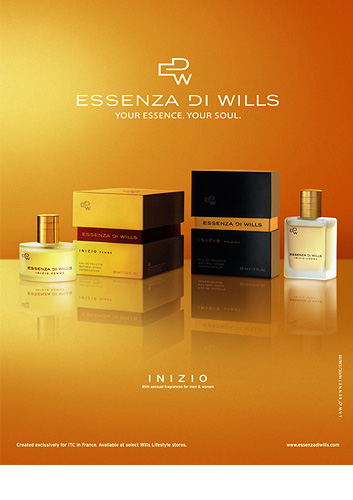
Essenza Di Wills ( EDW) is positioned in the top end of the premium personal care segment. Retailed exclusively at the Wills Lifestyle stores, this brand personifies a fine balance between Classical and Contemporary. EDW is a classic example of building a premium brand. The promotion was low profile and aimed at projecting the brand as an international one.

According to the EDW website, the brand value relies on Exclusivity and is considered as Intriguing Elegant and Sophisticated.The company has chosen Diana Hayden as the brand ambassador.Priced steeply above Rs 1600, this brand is clearly aimed at the super rich.
Although small in size, the premium personal care products has been growing at a rate of 15%.While the entire market is dominated by famous international brands, Essenza may be trying its luck at the bottom of the Premium pyramid.

EDW was promoted during its launch in Visual media and select magazines. The TVC featured a man and a woman in a glass maze. The details of the campaign and the meaning is given in their website. Frankly I did not understand the ad since I am not in their TG. I can say that the ad was intriguing in line with the brand positioning.

EDW has around 16 products for both sexes. The main product is their perfume branded as Inizio. The perfume is positioned as a brand that is exclusivem innate, stylish,sophisticated and magnetic. All the ranges have uniform fragrance thus giving the EDW customers a harmonised fragrance experience. This is a differentiator since most of the time the Deo , the Spray and the aftershave have different fragrance and what come out will be a horrible mix. EDW gives you a harmonised experience.
The brand has an added advantage of piggy backing on the success of Wills Lifestyle shops. Within five years of launch Wills Lifestyle has emerged as a major brand in the premium lifestyle clothing. With excellent distribution strength and the already built in brand equity EDW certainly going to have lot of trial purchases.

Sustaining those customers will depend on the quality of the product. EDW has taken proper care in making sure that the packaging is in line with premium positioning. As we all know in the product category of perfumes, packaging plays an important role in the success of the brand. There is lot of explanation about the meaning of the color and the style of the packaging in their website ( most of which I didn't understand).

In the marketer's point of view Essenza Di Wills is a case of building a global brand. ITC may have mega plans for making EDW a global brand.

source Essenzawebsite, itcportal.com,businessline

Friday, November 17, 2006

Volvo : Redefining Travel

Brand : Volvo
Company: Volvo India
Agency : Grey

Brand Count :158


India is one of the largest market for buses and trucks in the world. With most of the population depending on public transport systems , this product is tied close to the life of an Indian.
Buses come under the category of commercial vehicles and the marketing is mainly business marketing. In business marketing , the concept of customer is different when compared to the Consumer marketing. Here customers are the institutions /companies who uses this product for their business. Hence the branding of business products is a different ball game altogether.

Seldom do such brands become popular at the ultimate consumer level. There are cases where such b2b brands had successfully built equity at the consumer level. Notable examples are Intel , Dupont, Lycra etc. Volvo is a brand that had touched the consumer successfully and made a mark for itself in the Indian market.

Volvo changed the way Indians travel ( I have used this phrase for many brands, bear with me). The Indian bus market is huge with a size of around 10,000 -12,0000 units per month. The market is dominated by Tata with a market share of around 62%. With the economies of scale, distribution network and the equity of TATA serve as an entry barrier for any new players in the Indian market. This is applicable to the Truck market also.

Volvo entered Indian market in 1998 by launching high quality trucks. In 2001, Volvo launched its first bus in India. This virtually ushered in a new era in the Inter city bus travel . Volvo did not entered the city bus market which is the huge market because of the following reasons.
a. The entry barrier created by established players
b. Volume constraints
c. The purchases for city buses are done by state transport corporations. The market is not fully privatised. The STC's are cash strapped and hence they may not be able to afford the high cost of Volvo buses

This prompted Volvo to enter into a niche market of Inter City travel which is privatised and not regulated. Volvo introduced its Luxury bus B7R into this segment. Actually there was no segment called Luxury Bus segment. During the launch the Air Buses ( Not the plane but Bus with Air suspension) was considered as luxury buses. Volvo was A/C luxury bus and thus a new category of Luxury A/C Intercity Buses was created. Priced 2-3 times above the ordinary buses, Volvo offered unmatched luxury for the passengers.

Although priced steeply , Volvo buses made sense for the bus operators. It enhanced the image of the operators, the buses were fuel efficient and ushered in a new segment of customers who switched from rail to road because of these buses. For example , lot of people in Kerala prefer to travel to Bangalore by Volvo rather than take a train.

Volvo had a clear strategy when it entered the truck/bus market in India. It was to have a clear differentiation over the existing players. Hence the company opted to focus on niches rather than go in for mass markets. In the truck segment also , the company focused on large carriers rather than compete with Tatas and Ashok Leyland. Volvo trucks were differentiated on the basis of
a. Productivity
b. Transport economy
c. Customer education ( source: IBEF.org)
For example,the drivers cabin was a/c which ensured that he will not be exhausted even after a long drive and that will make him more productive.
The customers were trained about the products and safe driving methods that helped the fleet owners to get more returns on their investment. I think Volvo certified drivers are having great demand in US. The customers were also trained in optimising their vehicle for better performance. These factors together with excellent quality inspired many fleet owners to opt for Volvo trucks.

In the bus segment,passengers became the brand advocate. Volvo became a generic name for luxury buses. Passengers used to ask for a Volvo ticket rather than a Luxury ticket. The again prompted many travel operators to include Volvo in their fleet. It is to be noted that Indian bus majors were not looking at this segement at all . It another case of marketing myopia. Now after 4 years , Indian companies are thinking about luxury segment.

While Indian companies start thinking about having a product in this segment, Volvo is trying to enter the city bus segment. Here also Volvo is going in for unconventional route. The city bus they have introduced is large and very different from the normal buses that is currently plying. One of the issues that can affect the equity of the Volvo buses is the maintenance of Volvo buses by the fleet owners. To get more out of the bus, there is a chance that the operators put in more seats and reduce the luxury that this bus produce. My first experience with Volvo was not superlative and I felt the bus lacking enough leg space or comfort.

Volvo is a brand that has pioneered the concept of luxury buses in India. It has also showed that in the commercial vehicles segment, the customers look for quality and performance. The fleet owners in both truck and bus segment ordering Volvo is a classic example of " How a marketer can create value in the Indian Market".

source: volvo.com, ibef.org,hindubusinessline,autocar,agencyfaqs.

Thursday, November 16, 2006

Ajanta Quartz : From Clocks to Tiles

Brand : Ajanta /Orpat
Company: Orpat Group
Agency: Mudra

Brand Count 157

Ajanta Quartz was established in 1971 and the story reminds us of a typical rags to riches kind. Starting as a small establishment at Morbi in Gujarat , Ajanta rose to become the world's largest clock manufacturer in 1999-2000 clocking 1 crore time pieces in that year.

The company was founded by Odhavjibhai R Patel ( O.R.Patel) who started manufacturing mechanical clocks under the brand name Ajanta. During the mid 1980's , Mr Patel was wise enough the foresee the end of mechanical watches/clocks and the evolution of Quartz technology in clocks. The company was quick to change over to quartz clocks .

Ajanta in a way changed the entire clock market in India. The market for watches and clocks are estimated to be around 30 million units. Surprisingly Ajanta during the eighties was the only Indian manufacturer of clocks. The brand came into limelight by creating a price disruption in the market. The clocks were priced ridiculously low and came in wide variety of shapes and sizes. The ever value conscious Indian consumers did not waste any time to lap up this brand. At one point of time Ajanta clocks were a favorite gift item in marriages. Favorite for the giver, because the product was cheap and had reasonable quality. For the receiver of this gift, he would be left with too many clocks that sometimes you can see more than two clocks in the same room! After my marriage, I was left with too many clocks that some of them are now still in a packed condition. The brand was also clever in coming out with various designs and the blockbuster religion based designs that was highly popular in the Indian market.

But competition was starting to create problems for this brand. Many Indian firms started to emulate Ajanta's business model and the market was flooded with cheap clocks. Added to that the low cost clocks was dumped to Indian market from China. Sensing that the business may soon become unviable, Ajanta tried to set up a manufacturing facility in China to balance the cost equation and to compete with cheap imports. At one point of time Ajanta commanded 70% of the market share.

Ajanta also ventured in to the manufacturing of calculators under the brand Orpat (derived from the founder's name O.R.Patel). In this market also the brand faced competition from the cheap imports.Then came the telephone set market where also Orpat has established itself as a major player.

2003 also saw the company diversify to totally unrelated areas like FMCG. Ajanta launched its toothpaste with much fanfare and tried to repeat the story in clocks to this segment. Ajanta shaked the toothpaste market with its low price of Rs 18 for 200 gm pack while the FMCG majors like Colgate retailed for Rs 54 for 200 gm. This caused ripples in the market and the Goliaths were to a certain extent humbled by the Davids like Ajanta, Anchor and Babool. But this story also went sour with Colgate and Hll flexing its marketing muscles with launching low priced flanker products like Cibaca Top and ended up regaining market share from these price warriors.

The Patels were unfazed by these setbacks and their entrepreneurial spirit should be really appreciated . The group then ventured into small appliances and then to CFL lamps under the Orpat name. In the CFL lamps segment, Orpat quickly established itself again using price as an advantage and is reported to have a market share of 50% in that segment fighting out with Philips. Now the company is venturing into Vitrified Tiles segment under the brand name Oreva. All these diversification are banking on the model of Low price, high volume and Economies of Scale.

Orpat has evolved into an umbrella brand for many product categories . The brand is positioned on the basis of "Low Price " platform. The brand is also facing challenges because of this positioning. Every company which is using "low cost " of production as a competitive advantage faces the problem of sustaining the cost advantage. With the trade barriers becoming a thing of past, most of the companies can take advantage of outsourcing from low cost countries to compete with low price warriors. The problem become dangerous when the Brand is being positioned as a " Low Price " brand rather than a " High value " brand. A classic example of High Value Positioning is Tata Indica where the company is not raving about its price but the value that it delivers.

Ajanta has relied on the distribution strength to build its business with low brand building activities inorder to cut costs.In the initial phases, the brand was very aggressive in promotions. But now the brand is facing competition with brands like Samay who is more aggressive in the promotions front.Ajanta now faces the issue of differentiation because the Price is now not a differentiating factor. The brand also faces competition in the technology front interms of the LCD clocks may replace quartz in future.Theoretically Ajanta should be pioneering the digital clocks if it want to get the first mover advantage.

Orpat as a brand in the electronics and small appliance market will have a bright future if it position in the platform of Value rather than price.


Source: orpatgroup,economictimes,agencyfaqs,businessline

Tuesday, November 14, 2006

Burnol : The Burn Specialist

Brand : Burnol
Company: Dr Morpean Labs
Agency: JWT

Brand Count: 156

Burnol is one of the oldest antiseptic cream brands in India. This 65 year old brand still holds tremendous brand recall among the Indian consumers. Burnol has changed hands many times in its existence in the Indian market. The first brand owner was Boots and the brand the brand was acquired by Knoll. Later Reckitt and Piramal bought the brand from Knoll. In 2002 the brand was acquired by Dr Morpean labs. This constant change over of this brand from one company to another has virtually undermined the equity of this heritage brand.

The Indian antiseptic cream market is estimated to be around Rs 210 crore. The market is dominated by Boroplus from Emami which commands a market share of around 60%. Burns market is specialised market with a size of Rs 30 crore. Burnol had a generic status in this market.

Burnol during the hay days had a strong demand in the market. It was perceived as a " must have" in households and offices in the first-aid boxes. Although in households , there is rare incidents of burns, Burnol was kept as a essential first aid medicine.

The market still remains the same. The homemakers still deal with fire and there is still a perceived need for such a burn specialist at home. Despite the market remaining unchanged , Burnol was pushed to a negligible presence because of reasons not of its own.

Burnol was positioned as a burn specialist from day one ( I think so). Customers also associate this brand with burns. The fact is that Burnol is an antiseptic cream that could be used for burns as well as cuts just like other antiseptic creams. Burnol was positioned so strongly that the association has become embedded in the mind of the customers. Even the name reinforces the positioning of this brand. During its life cycle, the brand had tried to change over from being a burn specialist to an all purpose cream but it was a mistake. Customers refused to accept the repositioning and the whole exercise was a failure.

When Dr Morpean relaunched the brand with the positioning based on being " Burn specialist", the customers reacted favorably to it. Burnol was promoted as a " must have " at every home.
The brand was not able to garner its potential share in the market for reasons related to the brand owners. Either some of the companies who owned this brand was in financial crisis or the brand was not in their core marketing plan. Because of these two reasons, the brand promotion was virtually nil and this apathy reflected in the market share of this brand. Although Morpean labs initially pushed the brand, the financial health of the company is limiting the brand promotion to a great extent. Morpean had initiated major repositioning campaign and even changed the product to a more acceptable cream composition.

The brand will remain a niche brand for the following reasons.
a. Unlike other antiseptic creams, the incidence of small burns are rare and hence the usage of this product is limited thus causing little or no repurchase. This creates stagnation in the sales of this brand.
b. Since Burnol is very much embedded as a burn specialist, the extension of this brand to other uses is virtually non existent because customers will not or may not accept such an extension.

The factors outside the control of the marketer is severely hindering the brand growth. With lot of money for promotion, one can see this brand regaining its lost position in the market.

Source: businessline, agencyfaqs,express4media,


Monday, November 13, 2006

Tata Salt: Salt Of The Nation

Brand : Tata Salt
Company: Tata Chemicals
Agency: Bates

Brand Count :155


Tata salt is India's first branded salt. The story of this brand is interesting because the brand came as bye product. Tata salt was launched in 1983. Tata Chemicals has their largest integrated chemical plant in Mithapur. The soda ash plant needed fresh water for their boilers. Hence to supply fresh water, the company started purifying sea water and it created high quality salt as a bye product in the process. This coincided with the government campaign with the support of UNICEF for promoting Iodised salt since iodine deficiency was a serious issue haunting the children's health.
This environment gave birth of one of the super brands and a classic case of branding a commodity in the Indian market.

The Indian salt market is estimated to be around Rs 1 Billion. The market is dominated by unbranded players. Tata salt have a market share of around 40% in the branded segment and 18% in the total market. The product salt is a low involvement and low value product with little scope of differentiation. Tata salt had the first mover advantage and was able to consolidate its position in the market thorough brand building.

1990 saw organised players eyeing the market. Captain Cook salt was launched in the market taking the " free flowing " feature as a differentiating factor. 1996 saw HLL extending its Annapurna brand to salts and positioning its brand on the platform of health and iodine content. 2001 saw the high profile launch of Dandi salt from Kunwar Ajay sari fame.Still 70% of the market is dominated by unbranded players.

Tata salt started its life positioning on the rational platform of purity. Since the corporate brand had the value of Trust engrossed in Indian consumer's mind, Tata salt was eagerly owned by the consumers. One of the major factors that accelerated the growth of branded salt and Tata salt was the effective campaign by the government to promote iodised salt. The campaign penetrated the market to as deep as 20% and the first mover Tata Salt benefited most out of it.

2002 saw the repositioning of Tata Salt on the platform of emotion. The brand owners felt that they should rise above the rational differentiation and try to emotionally influence the consumers. Hence Tata salt adopted its new tagline " Desh ka namak" translated " Salt of the nation". The brand is trying to associate itself to the nationalistic feeling of the consumers and is trying to fill a passion towards the brand. It is a herculean task for a brand that is in a category which is low involvement and low priced. To create involvement in such a category will be a tough task . But the campaign has raised the brand to new heights in terms of market share. Since customers usually are brand loyal and tend to use the same brand of salt every time ( convenience factor) , such high decibel campaigns helps in strong brand recall.

But the long term view of this category is challenging because the scope of differentiation has not been sustainable. There has not been any serious product development these years and this can recommoditise the category.The brand owners may have to think about value additions in the marketing mix to capture the 70% of unbranded segment.

source:tatasalt, superbrand, businessline, agencyfaqs,domainb


Sunday, November 12, 2006

Kurl-on : Make Your House a Home

Brand : Kurl-on
Company:Kurlon ltd
Agency: Manipal MarComm

Brand Count:154

Kurl-on is the market leader in the Rs 600 crore Indian mattress market. The brand is a pioneer in branding the highly fragmented market. Founded in 1962, this brand has established itself in the market through its emphasis on quality,distribution and brand building.

Although the brand commanded more than 85% of the market during the eighties,at some point of time the brand lost its share to the price competitors. But the brand maintained its leadership position in the market.The company realised that the lowering of the profitability of the product is due to the inefficient supply chain management and the company went in to a massive restructuring of its SCM. This restructuring is a case study at IIMB.

Although huge, the mattress market is highly fragmented. The market had evolved from cotton mattresses to coir mattress and to rubberised coir mattresses. Even though world over, spring mattresses command 80% of the market, this type of mattress is not popular in India.

Kurl-On was positioned on the platform of 'Comfort for good sleep'. The product is promoted using the statement " Pure Sleep, Nothing Else" .The product category is such that there is limited scope of differentiation. Most of the players focus on Good Sleep and Back Support for their promotions. Duraflex is a brand that is trying to put emotion into the campaigns by positioning their mattress as one that can kindle romance in you.Reports suggests that the product like mattress are not an impulse product. Bought on special occasions like marriage and on new housewarming , this product often involves lot of information search by the consumer.

The market is also segmented along lifestyle and demographics. With higher income group going for well established brands, the mass market is price sensitive and the unbranded and local brand priced well below the branded players have a major share in this market.Another factor that favours the low price products is that by the first look, a consumer can never understand the quality difference. It will be after a year that the real difference comes into open.
Kurl-on is said to have more than 126 different configurations. The brand has been launching many new varieties of mattress like the Spine-care Ortho mattress that is good for those with backpain. The new launch was followed by some smart print ads by the ad agency mimicking the cover page of the famous weekly in which the ad appeared as a front page ad.

With market getting crowded with regional players and margins squeezed because of price competitors, the brand is extending itself into related categories like bed linen and bath market. The bed and bath market is much larger with an estimated size of Rs 1800 crore. The market is dominated by the likes of Bombay Dyeing.
With the aim of extending the equity of the brand, the positioning has changed into a broader theme of " Making your House a Home ". Although the statement is a oft used cliche, it makes perfect fit for a brand that aims to get into furnishing business.

With the strong brand equity built over the past years and with the strong distribution channel, Kurl-on has all the strength to make it big into the new segments. Again the same problem of unbranded players and fragmented market is going to worry this brand. The growing affluent middle-class which spend lot of money on such lifestyle products offer a good potential for Kurl-On in the new areas that it is trying to venture.

source: agencyfaqs,businessline,kurlon.com,magindia.com

Monday, November 06, 2006

Melody : Chocolaty

Brand : Melody
Company: Parle
Agency: Grey

Brand Count : 153


Melody is one the oldest brand in Parle's Portfolio. The brand which has made a place for its position in the market because of its unique quality and taste is making a comeback. Melody is a unique 2 in 1 toffee with chocolate inside and caramel outside. The brand which was premium priced in early days had used its chocolate content as its differentiators.

But somewhere in its life the brand lost its way. The brand was not visible in the media or in the stores. With the entry of high profile aggressive marketers like Perfetti almost pushed Melody to oblivion. Also the brand managers at Parle was not spending enough on this old brand. Confectionery products are bought impulsively and hence the store placement and brand recall performs an important part in the success of a brand in this category. At one point of time , Melody lost on both of these accounts.

The brand thus was slowly forgotten by the customers. Melody had some unique attributes that made it once successful
a. Its unique taste
b. The brand recall and equity
c.The brand elements like its jingle and tagline and packaging.

Melody was famous for its jingle " Melody hai chocolaty" and " Melody khao khud jan jao" emphasising on the rich chocolate core and the high decibel campaigns in the past was so effective that now also people remember the jingle.
But those who remember the jingle and the brand has now become older and the younger ones are not knowing this brand. That is a big problem that this brand faces.
2006 saw this brand coming back to the Rs 1200 crore Indian confectionery market. The brand handled by Grey Worldwide is retaining the famous positioning of "Chocolaty" .The latest ads shows the famous question 'Why Melody is so chocolaty" has made a comeback.

In the analysis of competition, we often say that there is a competition for an Idea among marketers. Brands compete for idea or positioning. Here the " Question" that made Melody famous was hijacked by Chlormint which ask the same question in a different way " Log Chlormint kyon khathe hain". Hence Melody lost the exclusivity of the Q & A that made it famous ( to a certain extent).

But for a consumer who has liked this brand and missed this brand, the comeback is a welcome event. If Parle sustains its product quality and maintains its share of voice, Melody will lift the fortunes of its confectionery business.

source: agencyfaqs,parle.com,businessline

Saturday, November 04, 2006

Parry's Sugar : Branding A Commodity

Brand : Parry's Sugar
Company: EID Parry
Agency: JWT

Brand Count : 152

Indian sugar industry is worth a whopping Rs 25000 crore. Although India is the second largest producer of sugar in the world, the percapita consumption is low at 18 kg.Unlike the Salt industry which saw many successful branded players, the branded sugars were not that successful.

Sugar branding was initiated around 6 years ago by players like Mawana sugars and Dhampur sugars. The first movers got the advantage and these players now have a 30 percent market share in the branded sugar segment. November 2004 saw EID Parrys launching their brand Parry's Sugar in TamilNadu which is traditionally a big market for sugar.

Although the market size of sugar industry is large, 75% of the sugar is consumed by large buyers like bakeries, Soft drink manufacturers and confectionery players. Hence most of the marketing is business to business.

The sugar industry has two types of pricing models. One is the free market pricing and the other regulated pricing through public distribution systems. The sugar prices are monitored by the government which sometimes intervene in the market and regulate prices through imports ( if the price increases )

Sugar is viewed by consumers as a commodity and there has not been any initiative from the part of sugar companies to create a differentiation compared to what marketers have done with Salts. Parry's has launced its branded sugar with focus on its quality and purity. It is known fact that the best way to brand a commodity is to focus of these two attributes. Parry's claims to be better refined and pure than the unbranded sugar. Packed in attractive pet bottles, the brand sells at a premium of Rs 4- 6 over the unbranded ones.

The market for sugar is a highly price sensitive one. While in the case of salt, the presence of Iodine was a sufficient differentiation for establishing the brand. The Iodine deficiency could cause thyroid and customers were educated by the government and the salt marketers to prefer iodised salt . But in the case of sugar, those differentiation opportunities were absent. According to a report in Business Today there are different factors that caused the slow start of branded sugars . They are
a.Seasonality : sugar production is seasonal and the entire years productions should be completed within 5-6 months. Hence there is no time for product or process innovations.

b. The sugar play is high volume low margin game. Hence whether marketers are interested in exploring the value added game is another factor that slows down the growth of branded sugar market. While branding involves promotional costs, it will be a tough tradeoff since margin pressure will prevent aggressive brand promotions.
c. The large format retailers have also started selling packed sugar with a premium of 50 paise to Rs 1 making the consumers think that the packed sugars are better refined than the other one.

The main factor behind the branded sugar becoming less popular is the lack of differentiation. The reasons are not compelling for consumers to shell out a premium for branded sugars. Even though Quality and Purity is an issue with the unbranded sugars, even affluent consumers are shying away from paying a premium for branded sugars. More over some branded sugars use sulphur dioxide to refine which is harmful and this type of refining is banned in European countries. It is said that in the west, marketers try to value add this commodity by enriching it with vitamins .
Branding a commodity always has been a challenging task for marketers. Parry's Sugar is a brand to watch and it will be interesting to see how this brand breaks into the consumer psyche.

source:magindia,eidparry,businesstoday,chennaionline,jimtrade,agencyfaqs

Thursday, November 02, 2006

Garden : Creating A New Woman

Brand : Garden
Company: Garden Silks
Agency: Ambience Publicis

Brand Count : 151

Garden sari is one of the oldest sari brand in India. Garden Silk Mills was incorporated in 1979 as a public limited company. Garden Saree have unique place in the Indian consumer's mind. Garden and Garden vareli were household names during the eighties and nineties.

The Indian women's wear market is estimated to be around Rs 28500 crore. While the ethnic wears constitute around Rs 17000 crores, the branded saree market is estimated to be around Rs7000 crore.

Garden faced a crisis in the late nineties because it failed to change with the changing psychographics of the Indian consumer. In eighties to nineties, this brand was enjoying a cult status among the upper middle class Indian consumer segment. Garden sari was the choice of the working women in the nineties. The brand was built on quality , affordability and style.
Garden brand was a well nurtured brand and the brand owners were never hesitant in spending on brand building. The ads of Garden were famous for its design and models. Famous models like Meher and Lisa Ray have featured in the campaigns.
But somewhere Garden lost its magic. The brand was not able to foresee the changing lifestyle of its TG. Saree was slowly becoming less popular among the modern Indian women.

The rapid urbanisation and the influence of western wear contributed a shift in the dressing habit of Indian women . Saree had its share of product problems. Working ladies began to look for dresses that are more convenient and easy to wear. Since the urban working class travel long distance to work , slowly Salwar and western dresses began to take the place of the traditional sari. This was not anticipated by Garden. The brand was losing relevance to the new generation which had new lifestyle priorities.
When we look at the new TG for this brand , the working women, the dressing habits especially in the metros and mini metros have changed drastically. Salwar has become the norm and sari has been restricted to occasions. Although this change is yet to trickle down to the larger part of the country, the brand like Garden was affected most. I am not forgetting the fact that majority of Indians live in small towns and villages.

At the lower segment, Garden faced intense competition from the unbranded sari and at the top end from the designer wears. Garden was not able to position itself in the changing market. During this stage, the spend on the promotions were also reduced which further eroded the equity of this brand.During this time brands like Kunwar Ajay and Poonam took the market away from Garden

2006 saw the rejuvenation of Garden in a new form.The brand is making noises in the media and is keeping its old flashy style that made this a big brand. The brand is now trying to create its equity in the young generation. The ads are positioning this brand as a youthful and flashy designer range of womenwear. Reports suggest that this brand is also extending into readywear segment. The introduction of ranges like Cenza has created some excitement among the consumers. At the retail end also this brand is being increasingly noticed by customers. This is a good move by the brand because womenwear segment is dominated by retail brands rather than manufacturer brands. Hence there is a space for a national brand in this segment.
Challenges are plenty for Garden because it has lost touch with the new gen. Hence the brand has to spend more on ads and also keep the brand more exciting by
a. launching new varieties
b. associating with events and
c. creating designer labels

Garden is on its way to rejuvenite and retake its past glory. To transform from " MY Mother's Sari Brand " to My brand is a tough task.

Garden : Creating a New Brand.

Source : economictimes,businessline, agencyfaqs.

Wednesday, November 01, 2006

Sugarfree : Freedom From Calories

Brand : Sugarfree
Company: Zydus Cadilla
Agency : Rediffusion

Brand Count : 150


Sugarfree is the market leader in the emerging category of Sugar substitutes. The sugar substitute market in India is estimated to be of Rs 60 crore growing at 15%. The market is expected to grow even faster because of the changing lifestyle of Indian elite. Sugarfree has around 70% market share in this segment.
The category will be of interest to marketing practitioners because of its potential. Primarily marketed as a sugar substitute for diabetic patients and diabetic prone middleaged Indians, the market is witnessing a change in the positioning of this products.

The major players in this markets are Sugarfree, Equal and the new aggressive entrant Zero from Alembic. These products are now targeted at the more " Proactive " consumers who are health conscious and non diabetic. This is a risk that the marketers are taking. The rationale is that these proactive consumers have seen their friends and relatives suffering from the consequences of diabetics . Hence will be looking for options to substitute sugar in their daily diet. Hence the product is positioned as a substitute for sugar ( to a certain extent). The rationale behind this positioning is to create a positive image about this category. If these brands are marketed as sugar substitute for diabetic patients, the consumers will hesitant to publicly buy this product. But when these products are marketed as a healthy option to stay fit, there is a positive perception towards this category.

The segmentation for this category will be SEC A1-A2 aged between 30-40. Although marketing campaigns are trying to position this as a healthy alternative to sugar, I feel that the actual buyers will be those who have been diagnosed with diabetics or youth in the risk category who have diabetic parents .

Since this product category is new, the task of the marketers are manifold. The consumers has to be educated about this product. Since the TG is not diabetic patients, the task is more difficult because the competition will be with ordinaryl sugar. Another task is to make the consumer to try the product. Then comes the price, these products are priced at a premium and hence it will be a tough task to convince the value conscious Indian consumer.

Should you spent so much money in repositioning this category away from diabetic patients? The reason for this question lies in the fact that India will have large number of diabetic patients owing to the changing psychographics. It takes minimum effort to convince the diabetic patients to take this product .( I am not sure whether diabetic patients can take this product, correct me if I am mistaken). I feel that there is a good market for a brand that targets this diabetic patients rather than beating around the bush and spending hell lot of money on repositioning. Hence " Enjoy life with Diabetics " will sell more than " freedom from calories".

Sugarfree has the ingredient of Aspartame which is a low calorie sugar substitute. The competitor Zero is having sucrose based sugar substitute.Sugarfree has recently ran into trouble because of some health issues regarding its ingredient Aspartame.

Sugarfree is positioned on its " Low Calorie" attribute and the campaigns promote this brand as a healthy option for consumers who have less time for exercise and targeting mainly at the SEC A category. Lack of product awareness and high price will limit this product category to a niche ( a profitable one) .

Source: agencyfaqs,timesfood,businessline

Tuesday, October 31, 2006

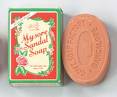
Mysore Sandal Soap: Pure Sandal

Brand : Mysore Sandal Soap
Company: Karnataka Soaps &Detergents Ltd
Agency: MC&A

Brand Count : 149

Mysore Sandal Soap has a unique place in the Indian Soap market. This soap with a history dating from 1918 has survived in a market which is witnessing cut throat competition. Mysore Sandal Soap is manufactured by the Public sector company : Karnataka Soaps &Detergents ltd ( KSDL). Although this is a product from public sector, the brand has been able to create a unique place in the Indian consumer's mind.

Mysore Sandal Soap is made from pure sandal oil distilled in the state government's factory and the soap is devoid of any animal fat. Mysore sandal has the distinction of being the world's only soap with pure and real sandal oil. The sandal range has four products : super premium gold,baby soap,Winter version the normal sandal soap.

In the Rs 4500 crore Indian soap market, this brand has a minuscule share of only 80 crore ie 2%. The brand can be said to be a niche brand in the premium soap category.

According to the media reports, even the company officials feel that the brand has the potential to be a Rs 400 crore brand but since the resources for brand building and some laidbacknes has limited the growth of this brand.The TG of this brand is right now 40 year olds with majority of consumers in the southern state of TamilNadu.

The brand typically faces the problem that all heritage brands faces, that is to stay relevant to the new generation.Mysore Sandal is facing the issue that its loyal users are getting older and the new generations are moving to more visible brands.

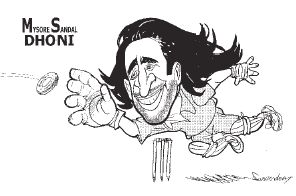
2006 saw a very surprising move from KSDL. It roped in an unusual brand ambassador MS Dhoni to endorse the soap. The purpose was to make the brand attractive to the new generation. But whether Dhoni and Mysore sandal will fit is something to be seen. It will take some innovative marketing campaigns to merge the two different personalities: one the brand which is traditional and the model which is so modern and flamboyant. The current campaigns are ordinary which just shows Dhoni endorsing the brand.

This is a brand that does not need a model to endorse but what it needs is tonnes of marketing support interms of advertising campaigns ( in other words lots of money).The brand has a huge brand equity and recall. Those who have used this brand will vouch for its quality and fragrance.I would say that the potential of brand is such that it should look for extensions into perfumes and Deos. The brand is primarily seen a south Indian brand and to have a pan Indian presence calls for some serious investment. I feel that with a superior product like this , every penny spent on this brand will be worthwhile.

source: hindubusinessline,agencyfaqs

Monday, October 30, 2006

Manjal Soap: Essence of Turmeric

Brand : Manjal
Company: Marico
Agency : Bates

Brand Count : 148


In one of my earlier posts on Vicco I had talked about the virtue of Turmeric and the failure of Vicco in capturing the essence of this ingredient. Here is a brand that rose to fame just because of the turmeric essence. Manjal is an interesting brand.The brand was launched in Kerala in 2005 by SD pharmacy which is a traditional ayurvedic pharmaceutical company. SD launched Manjal without much hope of making this brand a blockbuster one because of the fact that the market is highly competitive with brands like Medimix and Chandrika ruling the Southern markets.
But the company was surprised at the reception Manjal got from the public. Manjal is the Malayalam of the word Turmeric.

Manjal's launch was a soft one with the company focusing on inducing trial purchase . The company liberally gave sample packs with leading magazines together with placing the product attractively at the shops. The smart packaging and the simple message captured the attention of the consumers .At the super markets, the customers were prompted to smell the brand to feel the essence of turmeric in the soap. These initiatives together with the name Manjal ensured remarkable trial usage by the TG.The product which is of high quality ensures that customers are satisfied with their usage experience.

Manjal Brand name had the magic that created a 9 crore brand within 8 months of its launch.With such a blockbuster name, there was no need for further explaining the benefits of the soap. The product was promoted in media as a natural herbal soap.

The success of Manjal had its share of problems for its owners. SD was not able to cope with the growing demand of the soap because FMCG is a different ballgame altogether. Thus stepped in Marico as a suitor.Marico acquired Manjal in January 2006. Marico was looking for a brand in the soap category and Manjal was a high potential brand in the southern states.

Manjal was repositioned by Marico giving more importance to the essence of turmeric rather than as a family soap. The TVC features the use of soap replacing the traditional bath using turmeric powder which is often messy. The ad targets the young girls rather than the early TG of family.

Manjal is a brand that has a potential to be an important niche brand in the herbal soap category. The brand name and the product attributes has impressed the consumers. With an accomplished Marketer like Marico to support this brand, it is sure to go places.

source: economictimes,agencyfaqs.

Thursday, October 26, 2006

Nivea : Gentle Care

Brand : Nivea
Company : Beirsdorf AG (JL Morrison in India)
Agency: TBWA

Brand Count : 147


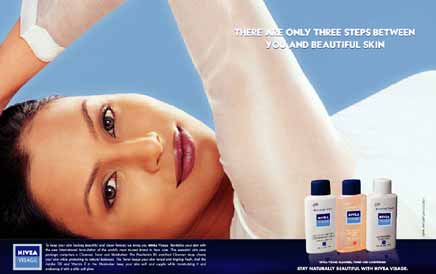
Nivea is a German brand marketed in India by JL Morrison. This brand has a history of around 96 years. Nivea came into existence in the year 1911. The brand has derived its name from the Latin word Nivius meaning "Snow White".

Nivea has been in Indian market for more than 30 years. But this brand which is truly a global brand has not met with success in India. Nivea globally is the brand that has its presence in around 20 product categories in more than 50 countries. But in the 1300 crore Indian skin care market, the presence of Nivea don't justify its rich heritage.

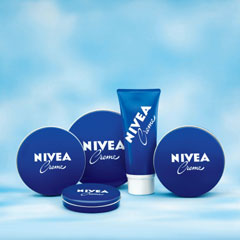
Nivea is famous worldwide for its face cream. Nivea Creme created by Dermatologists was launched in 1911 . The brand is considered to be the first to take the skin care category from the elite class to the masses. The brand worldwide is known for its Trust, Reliability and Accessibility. Globally this brand is positioned in the platform of "Gentle Care" and " Wellness". The brand has its elements of Color embedded firmly in the minds of the customers. Nivea took its "Blue and White" color as its brand element as early as 1924. From there onwards, this color scheme has been a brand identity for Nivea.

In India, the brand is known for its skin cream. Nivea cream is but perceived as a winter cream because of its thickness and oily consistency. While in other parts of the world, Nivea has successfully came out of this narrow perception, in India, the marketers were not able to effectively take the brand forward. With most of Indian stated do not have severe winter, the market for winter cream is very limited.Nivea has a market share of 19% in the Rs 108 crore skin cream market which is dominated by Ponds.Now Ponds hold the position which Nivea could have taken had it been more aggressive in the market.

Although JL Morrison tried to extend the brand to soaps, the extension has not been successful because of the halfhearted effort. With salespromotion now being used to promote this brand of soaps,further dilution of the brand equity is inevitable.

Nivea face serious marketing issues in India. The brand has not been aggressive enough in this market which is crowded with established brands. Nivea was never bothered about strengthening its positioning as a skin care leader. While Ponds successfully extended itself to other product categories, Nivea is stuck with its cream.This is a brand that failed because of marketing laziness. Nivea have huge brand recall and equity. It has the global parentage, successful positioning opportunity but was not able to leverage the strength because the Indian marketers didnot want to invest in the brand. The problem is that when the brand is licensed to a marketer in a country, the objective of the brand manager will be to milk maximum out of the brand rather than invest in longterm brand building. Every ads and campaigns will be weighed interms of the ROI and sales growth. Successful brands required longterm investment that will yeild results over a period of time. But in the case of Nivea, no such brand building efforts were to be seen.

The potential of the brand is evident from the fact that in the Grey market, the brand is sold well. There is also significant difference in the quality of imported Nivea and the local one. It is said that Nivea Deo is the best selling product in the grey market.

Nivea is sad story of a brand that failed to succeed inspite of having all essential Brand qualities. If failed because of marketing laziness.

source:rediff,brandweek,businesstoday,nivea.com

Tuesday, October 24, 2006

HP : Computer Is Personal Again

Brand : HP computers
Company : HP
Agency : Publicis

Brand Count :146


The Indian computer hardware industry is huge and growing. The sheer size of the Indian middleclass is an ample evidence of the huge potential for personal computers in the country. The computer penetration in India is barely 1 percent that makes the market more challenging and attractive.

Although the numbers present a rosy picture, the reality is not as rosy as it seems. The market is dominated by unbranded players and the computer today have a commodity status with brands losing its relevance to a home computer buyer. This has put lot of pressure for the organised player to reduce margins and cost to compete with the unbranded players. In the earlier stages of the evolution of this industry, the factors like reliability and service had given the organised players significant advantage over the unorganised sector. But with the standardisation of products and the outsourced service elements becoming popular, the branded computers lost their edge.
Even with the price war raging , the branded version costs anywhere between 20-30% premium over the unbranded ones.The rate at which the processors and technologies becoming obsolete is forcing the customers to look for cheaper options. The rationale for the customer is simple " The system I buy in 2006 is going to be obsolete in 2007, hence why invest in a branded one?".

HP ( Hewlett Packard) is one of the major players in the organised market in India. This multinational giant have around 20% share in the desktop market. Reports suggest that HCL-the domestic player is leading the market.
In this market which is typically fragmented with chances of differentiations are slim, it takes lot of innovation and marketing skill to survive. That is what HP is currently doing. In June 2006, HP launched its global marketing campaign to reinvent the personal computer industry. The campaign with the tagline " The computer is Personal Again" is an attempt to brand a commodity again. Personal Computers or PC was what we used to call the desktops but later the term lost its charm and we began to use the terms like desktops, laptops and notebooks. These terms were technical terms and was a result of the market becoming more mature and as a result more commoditised.Most of the campaigns by computer manufacturers were focusing on technical specifications and price offers. There were little branding efforts and most of the campaigns were dealer ads funded partly by the manufacturers. Branding was slowly dying and sales promotions were gaining prominance.

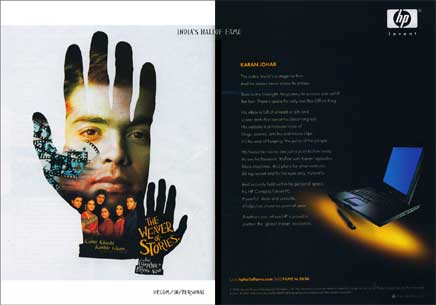
HP's new initiative is to bring back the personal nature of the computers. Business Week in a report has detailed that this campaign is intended to position HP as a company that truly understands how central PC's has become to most people's life. The campaign features a " Hand drawn graphic of a Hand" in every ads. Only select products will be highlighted in this campaign and these products will be promoted using only their striking feature. That means that the company is going back to the marketing basics of USP, Positioning and Differentiation. The campaign has also roped in MTV for a Advertiser Funded Programme titled " Meet or Delete" reality show as a part of its 360 degree brand campaign.

The print ads featuring celebrities stand out intheir designs and communication. The sheer beauty and depth of campaign makes it one of the most memorable marketing efforts of recent times. The campaign globally is conceived by Goodby, Silverstein and Partners for the Personal Services Group of HP.
Another beauty of the current positioning platform is the flexibility and creativity that it offers to the marketer. There is ample scope for extending this positioning to all product ranges, new products and across segments.The campaign also gives the marketer an opportunity to experiment with the product, change its design and sometimes make mistakes all in the name of reinventing PC.

With regard to the current theme and its execution in Indian market, the ads mainly is targeted at the affluent middleclass tech savvy customers. The ordinary lot will not understand this communication because the execution of this ad is too complicated for an ordinary buyer to understand. I am not sure whether HP is only aiming at Premium customers ?The success of this campaign will depend a lot on how this strategy is being executed at the customer moments of truth or touchpoints. Is he going to get a personalised attention at the retail level? Will the company follow this strategy with new product ranges and extend this campaign to a mass level?

Whatever be the outcome of this campaign, this will be rated as a classic marketing initiative . As a marketer, I am happy because " Marketing is personal again"

source: businessweek, bbc,expresscomputers, agencyfaqs

Friday, October 20, 2006

Dinesh Beedi : Smoked Out

Brand : Dinesh Beedi
Company: Kerala Dinesh Beedi Cooperative

Brand Count: 145

Dinesh Beedi is one of the regional players in the Indian Beedi market. Manufactured from the district of Kannur in Kerala state( Gods Own Country), this brand is facing the dark prospect of extinction.
Beedi's are Indian cigarette prepared by rolling tobacco wrapped in Tendu leaf and secured with colored thread at one end. This is the cigarette of the poor. But in recent years, this product category is facing a crisis.

Dinesh Beedi is the product of Kerala Dinesh Beedi Cooperative which is the largest "worker owned cooperative " in the world. Besides It is also the largest women owned cooperative in the world. Run by the communists, this society came into existence in 1965 following a bitter fight between the beedi workers and owners. The fight led to the formation of a society that offer good management practices and owned by the workers.

The Indian tobacco market is huge and worth around Rs.10,000 crore .Predominantly this market is dominated by Beedi's. It is estimated that beedi contributes 70-80% of Indian tobacco market.
The beedi market is highly fragmented and there are regional players catering to respective markets.There is no one major player in the Indian market and no more than 5% marketshare is held by a single player.

The beedi industry is faced by a myard of issues. Although this industry employs 44 lakh workers, there are rampant cases of exploitation of workers, poor working conditions, child labour etc. With the governments banning tobacco promotions and also the ban of smoking in public places been enforced, this industry has been put into death bed.Along with the rising input costs, labour issues, taxes has virtually removed all possibilities of profitability.While large cigarette manufactures passing on the tax burden to the consumers, beedi manufacturers cannot do it because of price sensitiveness of the market.
Dinesh beedi was the brand that was affected to the maximum. Once a profitable company, this society is now in deep finacial trouble. With diversification projects failing, the livelihood of thousands of workers are at risk.
While private players in the beedi industry can afford to reduce costs either by mechanisation or reduced labour costs, Dinesh Beedi could not do that because it has been constituted to give workers a decent life. With the Government trying to demarket the entire category , the brand does not have a chance to survive.
The possible option before the company is to restructure the entire process and eliminate costs, raise the prices to bring in profitability.
While Dinesh has tried to diversify into unrelated foods category, what could have been more marketable is to venture into low end cigarette category although you will be competing with the likes of ITC. There has been cases of failures in upmarket diversification, but Dinesh had its competence in the tobacco industry .Hence any tobacco related products in the like of chewing tobacco could have benefited the company more ( I am not touching the ethical part of selling tobacco). Like Liqour market what ever demarketing that government does , this is a market that is not going to die and there is a good potential for players like Dinesh had it taken due care in ensuring profitability.
Source: Indiatoday,businessline,cess.edu,wikipedia,businesstoday

Thursday, October 19, 2006

Tata Sierra : RIP

Brand : Sierra
Company: Tata Motors
Agency: O&M

Brand Count :144

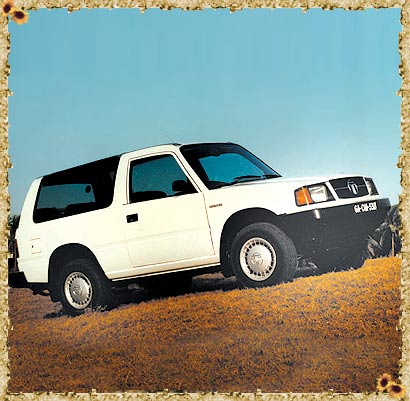
Sierra is the first passenger car from Telco ( Now Tata motors). Tata Sierra was launched in 1991 marking the transformation of a Truck manufacturer to a Passenger vehicle maker. Sierra was an entirely a new product in the Indian car market at that time. This three door vehicle was indeed the first SUV to hit the Indian roads.

Sierra was the baby of Ratan Tata and his first attempt to make a mark in the Indian Business world after taking over Telco. But the product bombed inthe market. Sierra can be said as a brand that came too early. The Indian market was not ready for this concept.

I personally love this car for its look. Most of you will agree that this vehicle is a stylish one. Even with the entry of all major SUV brands in India, Sierra looks contemporary ( my opinion) and modern.
Why did Sierra failed in the market?
a. Price
b.Quality
Sierra primarily failed in the market because of its steep price. Priced around Rs 5 lakh, the brand failed to appeal to the value proposition of the Indian consumer. Another factor was the corporate image of the company. Telco was rightly perceived as a truck manufacturer and Sierra was the first passenger car. Hence the consumers were not ready to shell out a premium for this brand

Then there was the quality issue. Sierra was a truck in the car form ( no problem with that!) .The consumers knew that and the price don't justify the quality proposition given in the product. Although steeply priced, Sierra had all the goodies that 2005 cars offered like power steering, power windows etc. Yet.... Sierra failed to enthuse the customers.

Sierra was rightly positioned as a sporty beast. The ads and campaigns rightly promoted the brand and it had all the potential to be an icon. Telco made a mistake in having high hopes for this brand. At the best, the product could have been a niche brand and an important one. The brand could have lifted the company to a higher level, had the quality issue was rectified.

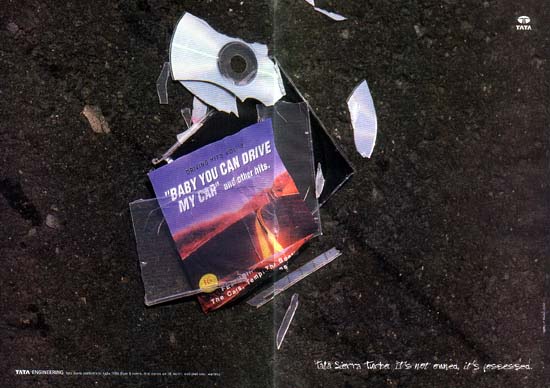
Even today , we can see this car on the road . And most of the owners who uses this product because they like the brand not for any other reason such as low price.I read in an article that the design guru Dilip Chabaria loves the look of Sierra. As the old ad of Sierra says , "Sierra is not owned It is Possessed". Today Sierra's position is occupied by Scorpio and rightly so.. If launched again with a right price , there is still a market for Sierra.

Source: indicar,businessline,agencyfaqs.

Wednesday, October 18, 2006

Kwality Wall's : Pleasure Up

Brand : Kwality Wall's
Company: HLL
Agency: McCann Erickson

Brand Count : 143

Kwality Wall's is one of the major brands in the Indian icecream industry. The brand Kwality icecreams which was one of the first icecream brand of India came in into existance in 1940. In 1956, the brand which was a local brand began to spread its wings. In 1995, Kwality Icecreams came into HLL's fold and is now marketed as Kwality Wall's.

The Indian icecream market is estimated to be around Rs 1500-2000 crore with the organised market hovering around 600 crore. Kwality Wall's had a market share of around 40% of this segment. Although HLL and Amul is claiming leadership in the Indian Icecream market, the fact is that the market is highly fragmented and increasingly commoditised.

Amul entered the icecream market with a low price that changed the entire dynamics of the game. Kwality Wall's could not sustain the price competition and withdrew from the mass market. This has resulted in Amul gaining the market leadership position with around 27 % and Kwality walls reduced itself as a premium player. ( the market share figures are terribly confusing ).

With so many players in the market with little differentiation, the market is facing the issue of commoditisation. Flavour,taste, quality and Branding are the major differentiation opportunities in this industry. Flavour and product varieties were the route taken by major players. But flavours/varieties can be easily replicated by the competitors. Hence the only meaningful differentiation could be the brand.
Kwality Wall's has some of the blockbuster product varieties up in its fold like the Cornetto, Feast, Viennetta. But could not sustain because the same was imitated by the competitors.Cornetto became a generic name but HLL could not capitalise on that popularity.
Amul took the life out of Kwality by positioning itself as " The Real Icecream" since Kwality is mainly made of vegetable oils.
Kwality Wall's since the onslaught of Amul has faced positioning issues. The brand had struck a reasonably good positioning as a " Connector of Hearts" . The brand had the famous tagline " ho Jaye Dil Ka Connection" and some good ad campaigns. But the the brand began to go haywhere.
The positioning changed and so has the quality of the campaigns.There was no need to change the positioning. But someone at the company was bored by this.
The recent tagline of Kwality Wall's is " Pleasure Up" which could be mistook for a tagline for an Aphrodisiac . The ads also could not be viewed with family . When I first saw the campaign i mistook it for a condom Ad.
The marketers at HLL is totally confused about the brand values , the basic STP and all marketing fundas. The owners are too obsessed with the dictum " Sex Sells", or they are too desperate about this brand. While Amul carefully connecting its corporate image with their icecream brand, Kwality Wall's is repelling its existing customers. Kwality Wall's should be positioning itself as family brand with quality and variety as its major strength's. There is also a space for a subbrand in the youth category . The task is to create an excitement in the market with promotions and new product introductions. But Kwality Wall's is wasting its money in positioning itself as a " Sexy " brand.
With the whole icecream segment becoming commoditised, it takes lot of careful strategic brand management to survive. Kwality is facing its worst crisis in its life. It has to find a platform otherwise, it is going to be out of this market.
source:businessline.walls,hll.com

Tuesday, October 17, 2006

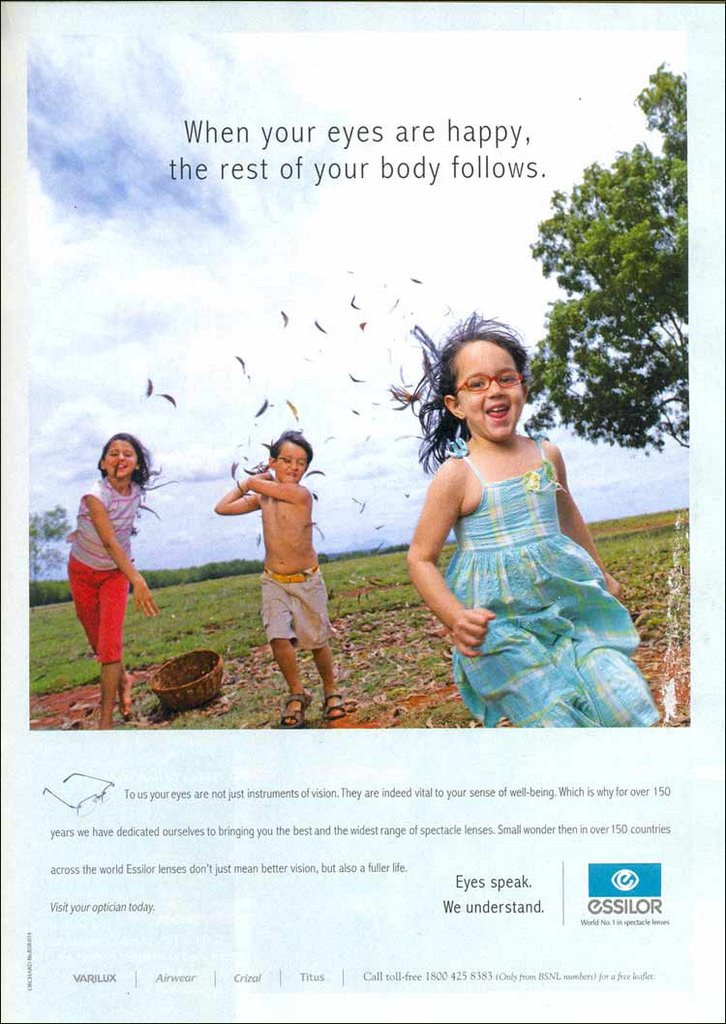
Essilor : Seeing The World Better

Brand : Essilor
Company: Essilor International
Agency: Orchard

Brand Count : 142

Essilor is a Euro 2.4 billion company which is a world leader in Ophthalmic products especially lens. India is a big market for ophthalmic lens. With an estimated population of more than a billion people and more than two billion eyes, this is a market that cannot be ignored.
As discussed in the RayBan case , the Indian eyecare market is estimated to be around Rs 1200 crore.
The ophthalmic lens category is different because these are prescription lenses and is mostly unbranded. Usually the customers are unaware of the brand of lenses which they are wearing and it is decided by the opticians as to which brand need be used. Hence this category is a B2B category and the influencers are doctors and deciders are the opticians. The users have no idea about the lens.

Essilor came to India as a joint venture between Essilor and SRF in 1998. Later the joint venture was converted into a 100% subsidiary of the French parent. Essilor ,as reports suggest has been able to garner a fair share of the Indian market.
Essilor came into the User's radar during the high profile campaign for Varilux range of progressive lens; lenses used by people aged above 45. Essilor used the famous cricketer Shrikanth to endorse the brand. The company is using TVC, print and outdoors to promote this brand.
Essilor was also marketing savvy in developing a corporate brand. The ads were catchy and I would say it is a bold initiative to brand a B2B product at the userlevel.
There are certain issues as far as marketing person is concerned.
a. Should Essilor needs to go in for consumer marketing? Mainly because the users till now does not have a role in selecting the lens brand. Essilor is trying to make the consumer ask for this brand ( at a premium price) . That calls for a significant investment in brand building.

b. Will the consumer believe the Ads or the Optician who is considered to be an expert?

Essilor is trying to bridge a huge gap that the users face in this category. ie the issue of quality. We all know that we don't know what we are wearing over our eyes . We are not sure about the price of the lens or the price of the frame ( they say that the margin for the frames can be upto 1000%) . Hence there is a space for a branded player to establish standards and set prices. Essilor is doing just that. The brand is trying to take the power from the opticians to the company. It may not happen that consumer will ask for this brand just as you do it for FMCG products, but over a period of time , the consumer may perfer paying a premium for this brand.
It will take some time before the effect of this branding effort to show results. Varilux is already established in the TG's mind ( premium customers). But the task is tough. Essilor has a range of brands in this category like
Crizal: Hard multi coated lenses & Airwear: New generation polycarbonate lens and many more.

The corporate brand is positioned as the best in the category with the tagline " Seeing The World Better" talks about the quality of the brand.This brand should be in the watchlist of any persons interested in Brands

Source: essilorindia.com, businessline,agencyfaqs,magindia, indiainfoline


Monday, October 16, 2006

Singer Sewing Machines : Facing a Crisis

Brand : Singer
Company : Singer India ltd
Agency : JWT

Brand count : 141

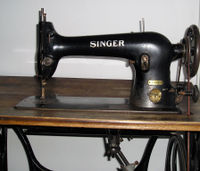
Singer is a 130 year old brand in India famous for its sewing machines. Singer came to India in 1870 and is a Pioneer in developing the product category : Sewing machines.
Sewing machine was once a must in every households in India and was even a part of one's dowry. Those aged >30 may have noticed the dusting old machine at their homes. This once popular small durable is slowly fading into history.

Sewing machines are losing popularity in India because of the changing demographics and lifestyle. With the couples working and the evolution of Nuclear Urban Families (NUF) , the relevance of this category itself is now in doubt.

In olden days the brand was an example of Craft and Frugality. Craft in the sense that it showcases the talent of the Bahu and Frugality in saving the stitching costs. Now with the popularity of readymade clothes , this category has been thrown out of Urban households.
Singer is one of the largest manufacturers of sewing machines in India . The brand is credited with pioneering the installment culture in India by offering sewing machines to rural households on installment during 19th century. Still rural India contributes to the sale of sewing machines where it is used as a wage earner.
The marketers of sewing machines have tried to create more interest in the urban households by introducing electronic sewing machines ( userfriendly) and coming out with " Sew yourself patterns" encouraging the homemaker to experiment and create her own fashion wears. But these initiatives were not successful and it has forced these players to diversify into other small appliances.
The basic issue with the machine being less popular is
a. The task is tedious.
b. It takes training to make a good stitch.
c. No longer an attractive pasttime.
d. Machine not user friendly.
This product category is failing because it failed to change with the consumer.Although there were innovations, the product was such that the users had to be trained in using this product.
With the urban women not getting enough time to engage in attend classes, the category began to lose popularity.
Unless the manufacturers address these issues , the product category will be limited to industrial sewing machines and customers in the sewing machines. The category is already a century behind the new generation. I bet that an urban 15 year old may not have even touched this machine. May be the marketers have to comeout with an automatic computer aided machine that prints or stitches with the click of a button or something like that which is fast and easy to use.Other wise this category will fade from the households forever.

Source : businessline,myiris.com,wikepedia agencyfaqs.com

Friday, October 13, 2006

John Players : Play It Cool

Brand : John Players
Company: ITC
Agency: FCB Ulka

Brand Count : 140

John Players is the mass market apparel brand of ITC. Launched in December 2002, the brand is poised for becoming a major player in the Rs 6000 crore ready-to- wear market in India.
John Players when launched in 2002 faced a luke warm response from the market. Primarily because of quality and positioning issues.

I mentioned about quality on the basis of my own experience about the brand. I purchased this brand because of the ITC tag plus the price offer ( 1+1 free). I was terribly disappointed with the quality of the material and the range. But I could see the rush at the counter for this brand because of the offer.

John Players is competing with Peter England in the mass market range. ITC knew that Peter England has established itself as a value for money brand and it is a tough brand to compete with. 2005 saw John Players identifying the right positioning platform for itself.

John Players is positioned as a brand with a cool attitude. It is positioned as " Style With a Playful Side" exemplified in its tagline " Play It Cool". The brand rightfully fills the gap of a Cool Brand in the mass market category. The brand is being endorsed by the style icon Hrithik Roshan and the advertising campaign featuring Hrithik was well executed. The brand has a price range of Rs 500-900 for its shirts and Rs 800+ for the trouser range.

Although the positioning platform of being a " Cool " brand is a wonderful proposition, it is a task that is difficult to achieve. It is like a very abstract concept. To quote Ms Rashmi Bansal from a presentation she made at our campus, It is not possible to make a brand or a person " COOL" by just saying that it is " Cool", the customer has to perceive it as a Cool brand. That cool attitude should come into the brand DNA. Hence it is a tricky situation and a tough task for the brand manager. The marketer has to create a lot of subliminal cues to make the brand cool. Hence the brand logo, colors, ads, models, colors etc has significant impact on making the brand " COOL". That is the reason why there are a few COOL brands in our country.

Since my tryst with John Players was not that positive, I have chosen to stick with my favorite brand Peter England. But I think that ITC has worked upon the quality and design aspect of this brand. The brand is in a very tough terrain. It is to be noted that this brand is usually promoted during the festive season mainly using sales promotions. I hardly see any brand building campaigns of John Players during off season. While brands like Color Plus, Van Heusen, Louis Philippe is being built using print ads in a systematic and regular manner, John Players is a brand that is not investing in regular and frequent campaigns. I feel that with a model like Hrithik endorsing the brand, John Players should look at print campaigns at regular and frequent intervals.


source: itcportal,agencyfaqs,businessline,economictimes


Thursday, October 12, 2006

SS Music : Losing The Spice

Brand : Southern Spice Music
Company: Fortune Media ( Martin Lotteries)

Brand Count : 139

Southern Spice Music (SS Music) is an interesting case study. This unique channel was launched in April 14 2001. The channel was initially conceived to be one to broadcast the daily draw of the lottery . The promoters was primarily lottery dealers ( largest in India ) and had ventured into online lotteries.The channel was conceived to create transparency in the selection of lottery winners. Since the duration of lottery draw is only 30 minutes, music videos were used as fillers. Hence 18-20 hours were devoted to music videos which acted as fillers.

But contrary to the designs of the promoters, the channel had a flying start. The channel had filled a gap in the market. The need was for a south Indian music channel. Indian Music channel industry at that point of time was dominated by MTV and Channel V. As usual these channel disregarded the need of the South Indian consumers. Hence without knowing , SS Music catered to this unsatisfied need.
When I saw this channel, I was pleasantly surprised and delighted as a consumer . The programs were good and the VJ's were bubbly. The channel owners too was surprised at the reception it got and played to the audience. There were blockbuster programmes like Reach Out and Viewer's choice. The brand was slowly becoming MTV of South India. At one point of time SS Music displaced MTV in TAM ratings in Tamil Nadu and was a consistent second in music channels in the south.The cumulative reach of SS Music was 15.99% in 2004. This ensured that lot of ads to flow into this channel. The TV ad spend in Tamilnadu is around Rs350 crore and in Kerala it is Rs 100 crore.Started with a meagre 5 crore, this channel doubled its revenues in no time.The channel plays a wide assortment of music from the 4 southern states.
2006 saw this channel facing intense competition from its home turf TamilNadu. With the market leader Sun TV not letting any competition to gain upperhand in any segment revamped it Sun Music Channel and launched another music channel ( Live ) branded KTV. SS Music is also faced with distribution issues ( My cable provider does not support this channel). Together with the dip in any new blockbuster programmes, SS Music is facing its toughest test in the market.

The brand was positioned in the line of MTV . Youth , Assertive, Stylish, Gennext can be said about this brand personality.
SS Music was a brand that was given a personality and life by the consumers. But later the brand failed to live upto the expectation of the viewers. The brand has to again go back to the customers to find what made it tick . In otherwords the channel lost its spice and the programs no longer was exciting.
SS Music has all to potential to become a profitable niche player in the Southern market. The creative directors should reinvent the channel inorder for it to survive.

Source:southernspice.com,businessline,rediff.com